The promise of Artificial Intelligence in medicine has always been the eradication of human error. However, a recent tragedy reported by Futurism brings the discussion back to a stark reality: algorithms are not infallible, and when they fail in high-stakes environments, the cost is measured in human lives. The death of a woman, attributed to the malfunction of an AI system used by a hospital for vital signs monitoring, serves as a loud wake-up call for the global medical community.
Chronicle of an Algorithmic Failure
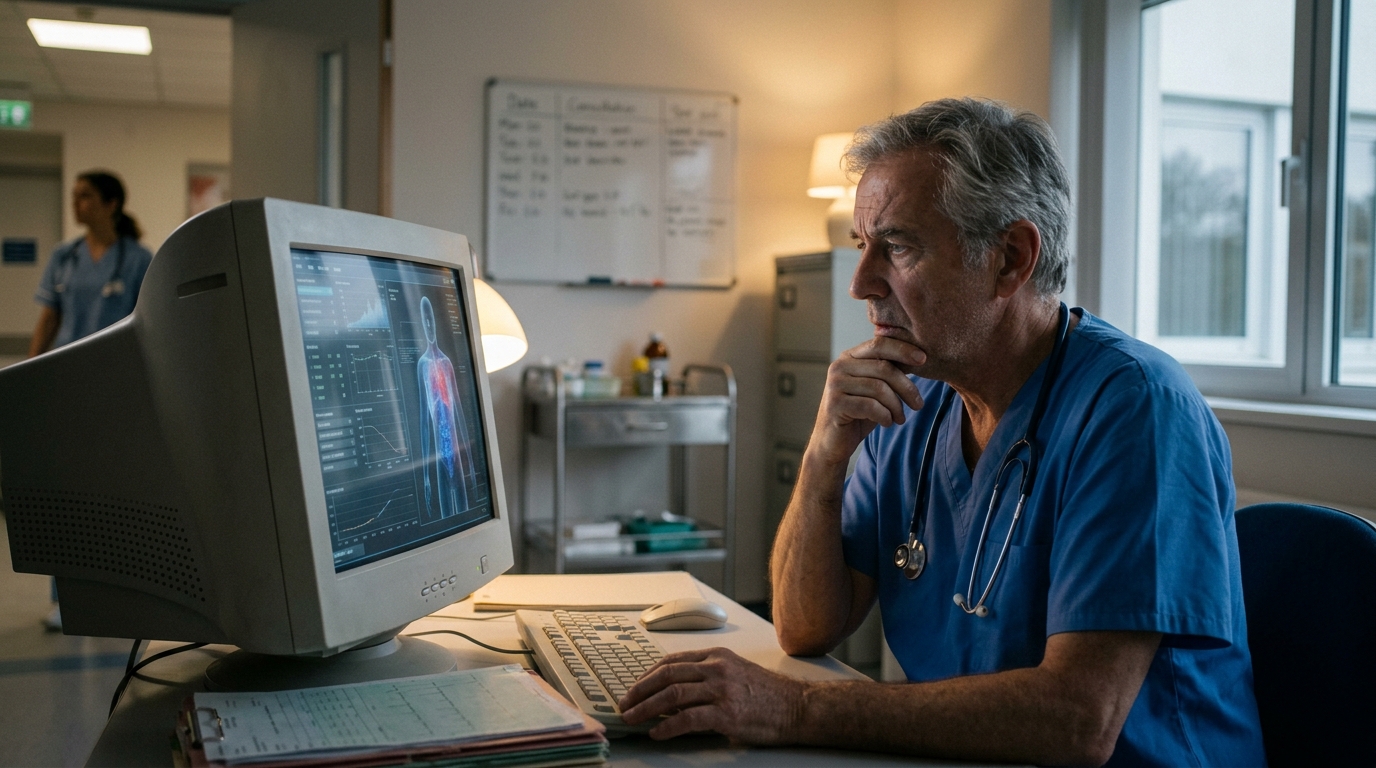
According to the allegations and case details, the AI system—designed to detect early signs of sepsis and heart failure—failed to trigger the necessary alert to the attending physicians. The patient, who was in critical but stable condition, experienced a rapid deterioration during the night. Despite clear indicators on the monitoring devices, the central algorithm "decided" that the fluctuations did not constitute a risk, categorizing the incident as low priority.
The result was that the nursing staff, relying on the "smart" prioritization provided on their screens, did not visit the woman's room until it was far too late. This case highlights the phenomenon of "automation bias," where healthcare professionals tend to blindly trust machine prompts, often setting aside their clinical intuition or direct observation.
The Trap of Black-Box Logic
One of the most significant issues raised is the lack of transparency in how these systems operate. Many medical algorithms function as "black boxes," where neither doctors nor patients know the exact criteria behind a decision. In this specific case, the deceased's family claims the hospital had replaced part of the monitoring staff with this software to cut costs, without fully evaluating its reliability in real-world conditions.
- Lack of explainability prevents doctors from questioning the AI's judgment.
- Training data for algorithms often contain biases that underestimate risk in certain population groups.
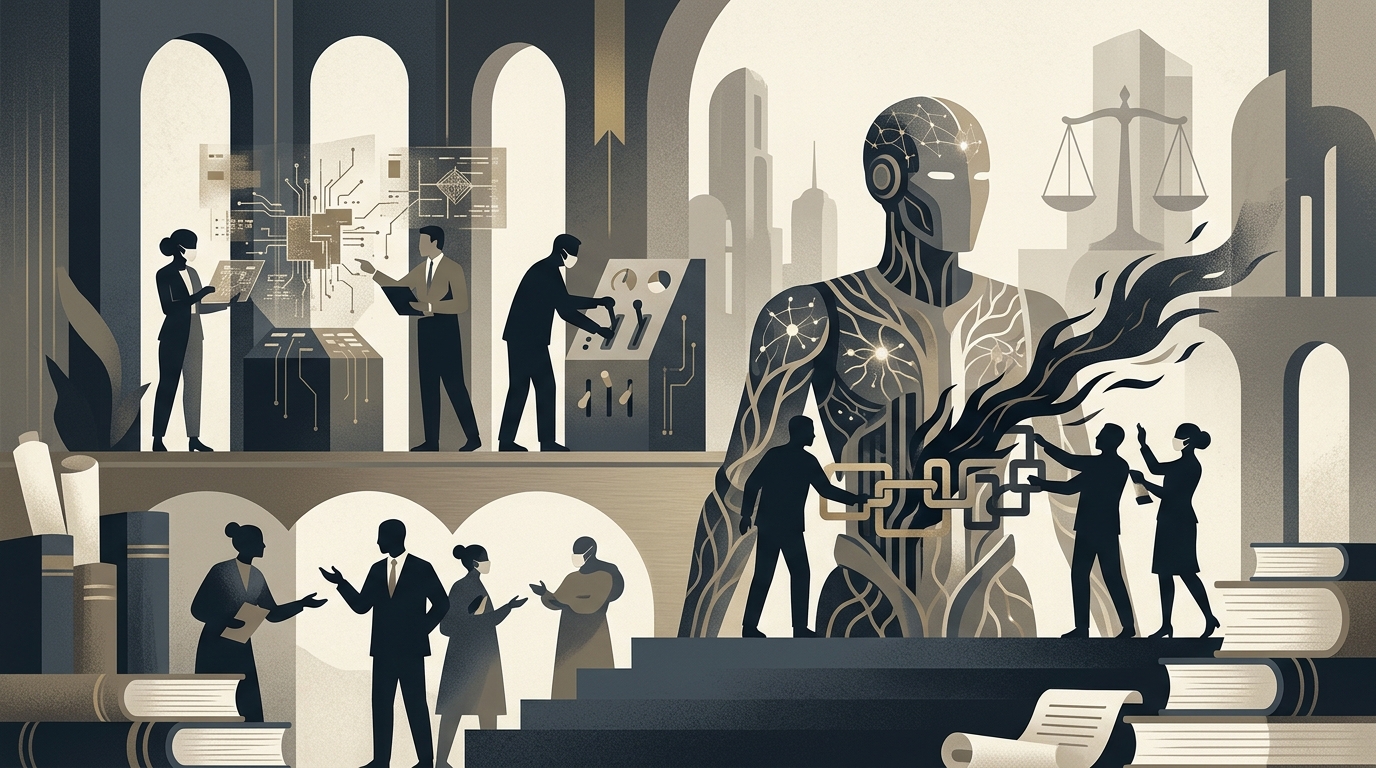
- Legal liability remains in limbo between developers, hospital administration, and medical staff.
"We cannot allow algorithms to become the silent arbiters of life and death without rigorous, continuous, and human oversight," says an independent bioethics expert.
Legal and Ethical Implications
This case is expected to set a legal precedent. If the court finds the algorithm primarily responsible, technology companies developing medical tools will face a new era of strict regulations and massive liabilities. To date, companies have been shielded by legal clauses labeling their software as a "decision-support tool," shifting ultimate responsibility to the human user. However, when the system is designed to dictate workflow, this distinction becomes dangerously blurred.
In Europe, the AI Act classifies medical systems as "high-risk," requiring rigorous testing before market release. Yet, technology evolves faster than legislation, and incidents like this one in the US show that the safety gap remains dangerously wide. The need for a "human-in-the-loop" is no longer a theoretical ethical requirement but an imperative for survival in the 21st century.