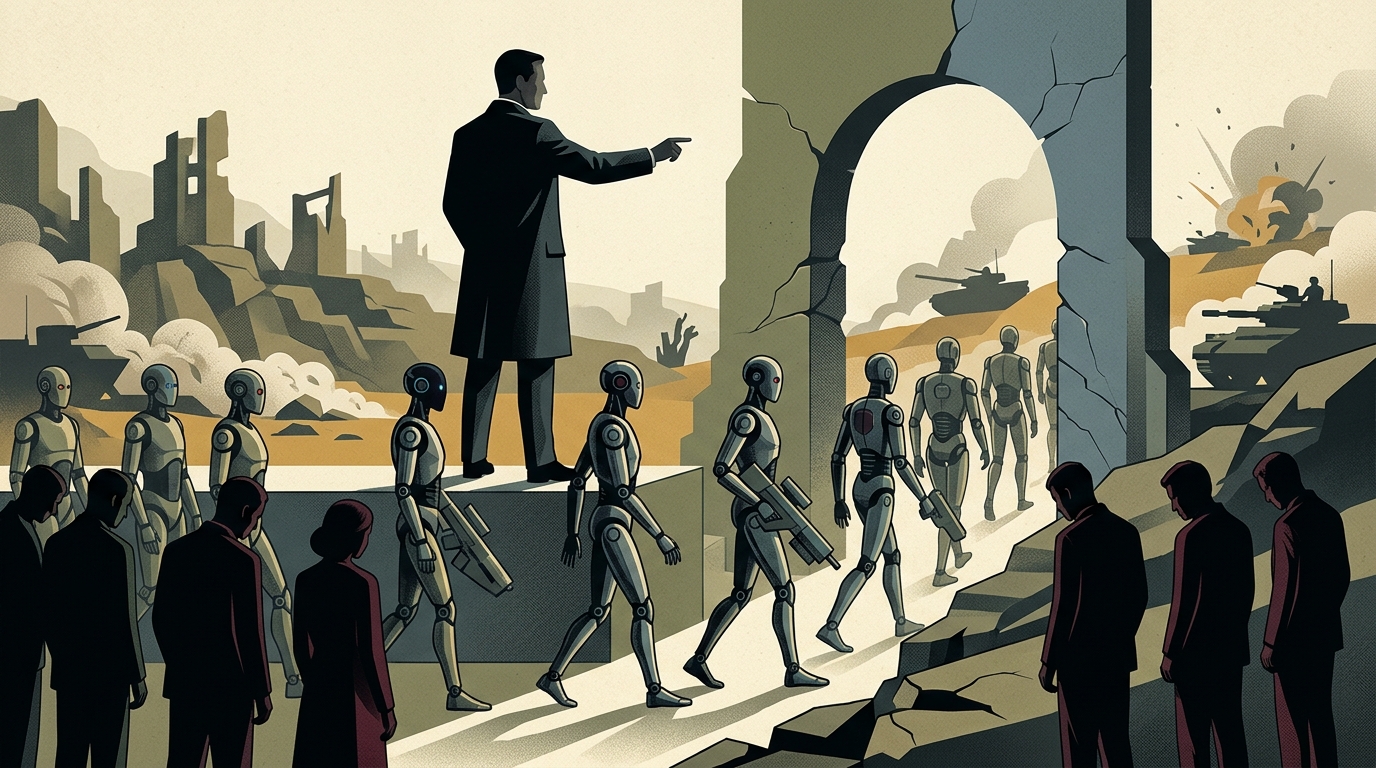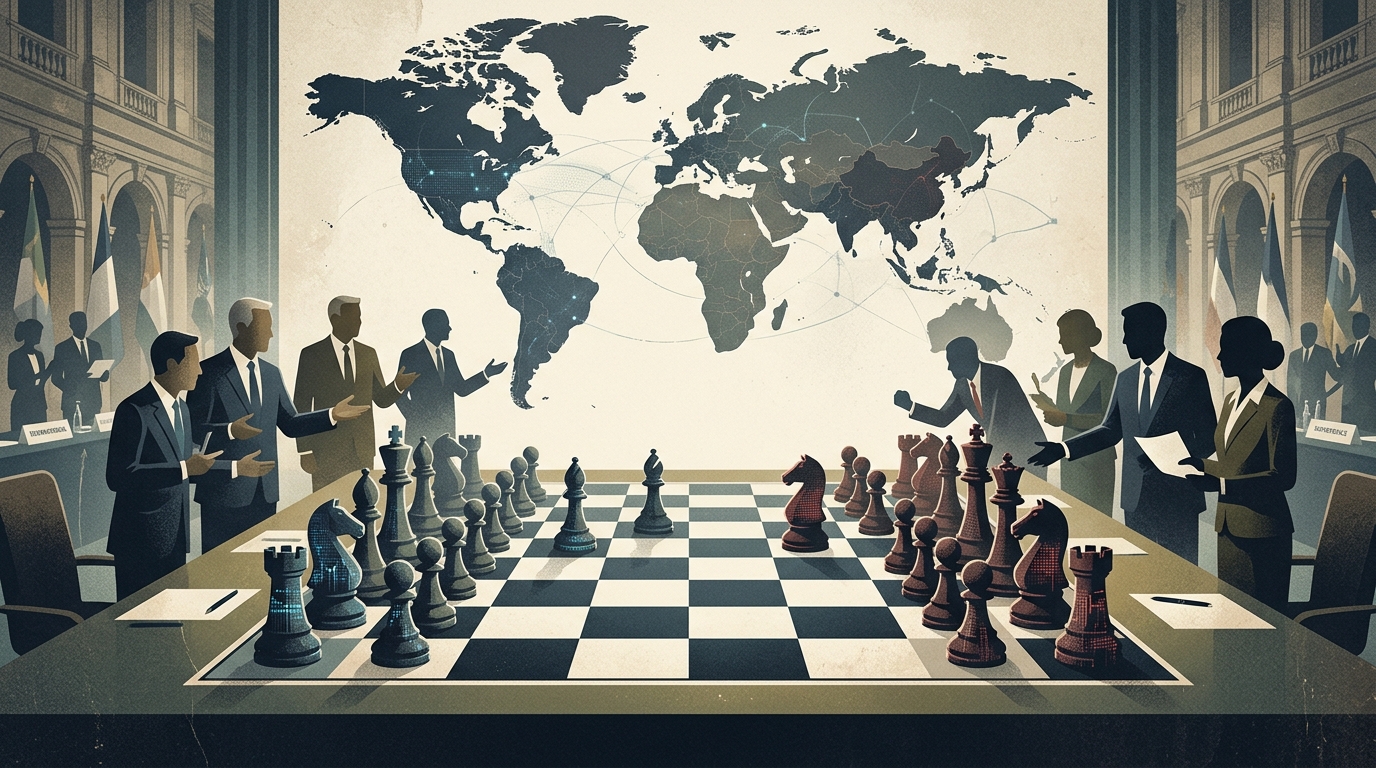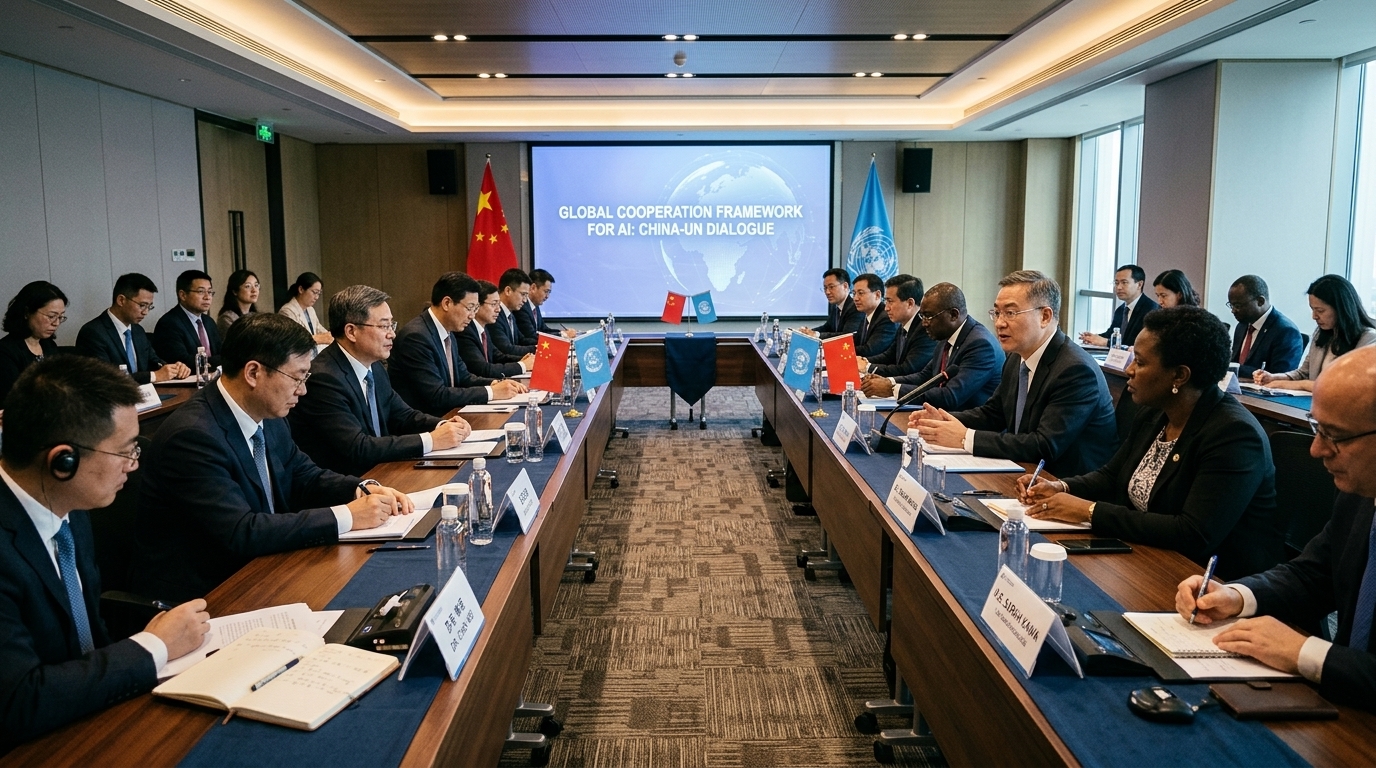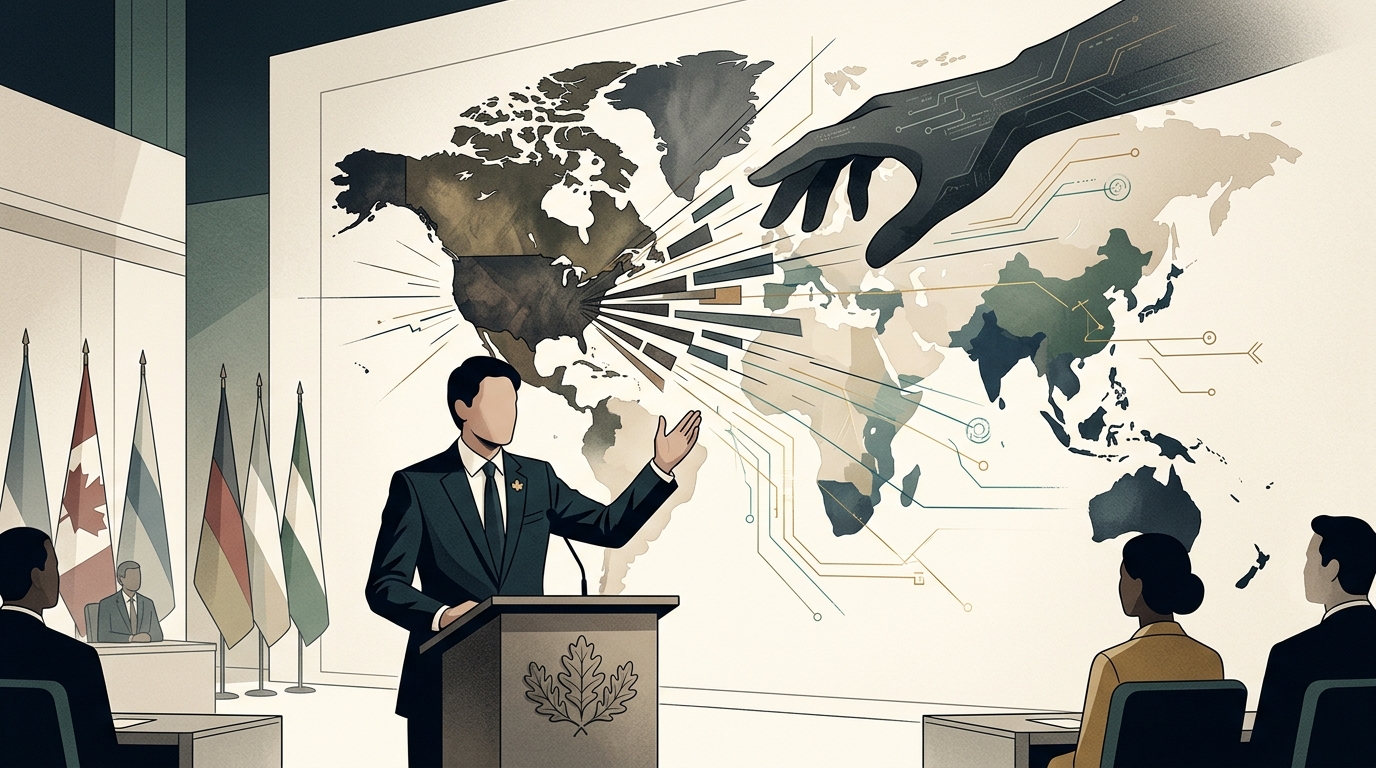
In an unusually sharp diplomatic intervention that highlights growing fissures in the transatlantic tech alliance, Canadian Prime Minister Justin Trudeau has warned that recent U.S. restrictions on Anthropic serve as a stark wake-up call for the international community. Washington's move to tighten controls over the export and accessibility of advanced Artificial Intelligence (AI) models is no longer just about countering adversaries; it directly impacts its closest allies, forcing nations like Canada to urgently reassess their strategies for digital sovereignty.
The issue came to the fore following the U.S. Commerce Department's decision to impose stricter frameworks on the deployment of Anthropic’s 'Claude' models, citing national security concerns and the need to protect American intellectual property from 'malign actors.' However, for Trudeau and his government, this shift underscores a harsh reality: AI is no longer a free-market commodity, but a geopolitical lever that Washington is willing to pull to ensure its dominance, even at the expense of its partners' economic interests.
Digital Sovereignty as a National Imperative
For decades, Canada has relied on its proximity and deep-rooted relationship with Silicon Valley. Yet, at the dawn of the Generative AI era, this reliance is transforming into a strategic vulnerability. Trudeau emphasized that if a country lacks its own computing infrastructure and domestic models, it remains hostage to the legislative whims of the U.S. Congress. "We cannot build the economy of the future on foundations that can be pulled out from under us by an executive order," he remarked during a business forum in Toronto.
This concern is far from baseless. Canada has invested billions of dollars through its Strategic Innovation Fund to bolster its domestic AI ecosystem, with hubs like Mila in Montreal and the Vector Institute in Toronto leading global research. However, the commercial application of these technologies often funnels through American platforms. The case of Anthropic—widely considered the primary ethical competitor to OpenAI and Google—demonstrates that even the most 'safety-oriented' and 'open' AI firms are ultimately subject to the control of the American state apparatus.
The Anthropic Lesson and the Strategy of Diversification
Anthropic has found itself in the regulatory crosshairs due to the massive scale of compute its models require and their potential dual-use capabilities (civilian and military). When the U.S. restricts access to Anthropic’s APIs or imposes software export controls, it directly affects Canadian startups that have built their services on top of these models. This creates an environment of uncertainty that stifles investment in Canada, as venture capitalists fear that access to the 'raw material' of our age—machine intelligence—could be severed at any moment.
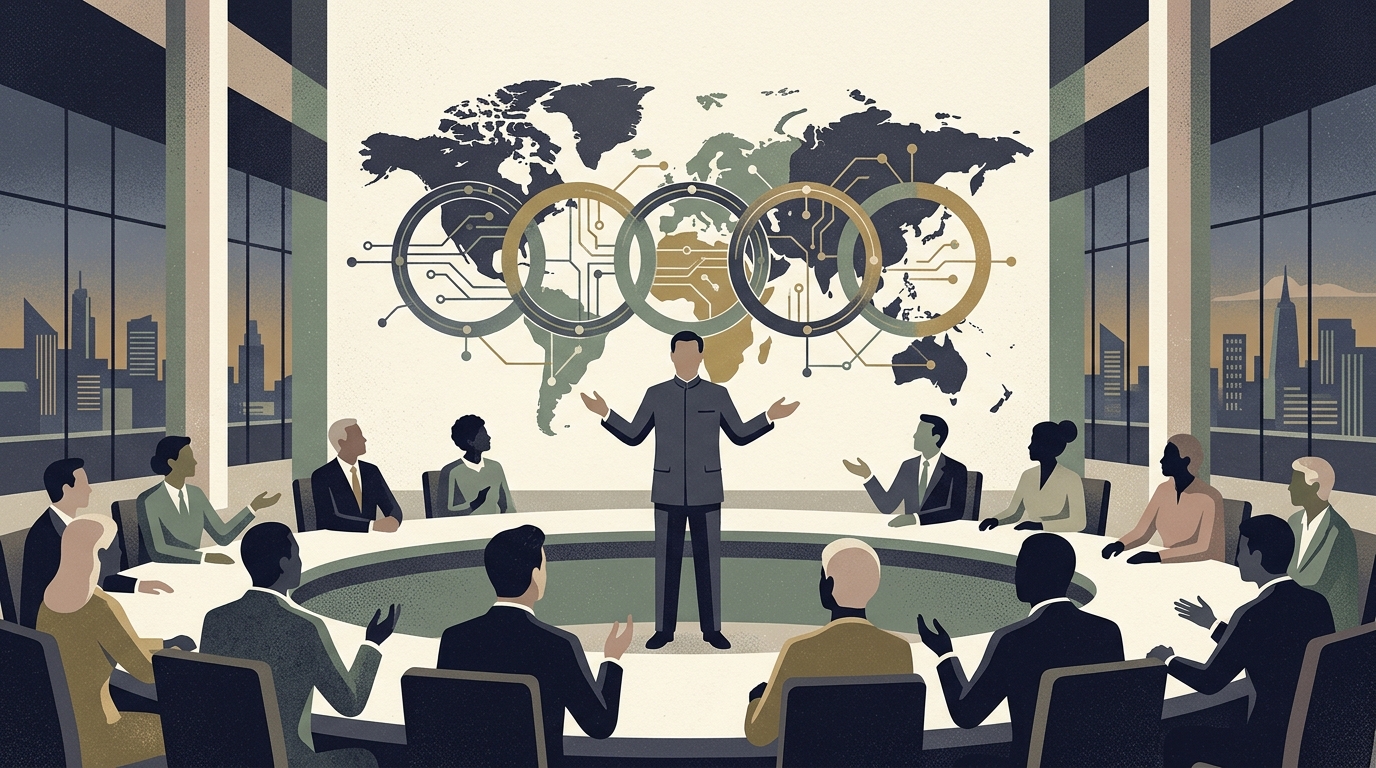
Canada’s response, according to Trudeau, must be 'technological multipolarity.' This involves closer collaboration with the European Union, which is advancing its own AI Act, and strengthening ties with nations like France and the UK, which are also seeking alternatives to the American monopoly. The strategy includes subsidizing domestic data centers to host open-source models, thereby reducing dependence on proprietary U.S. software.
Economic Implications and the Future of Alliances
Trudeau’s critique reflects a broader discontent among G7 members. While the U.S. leads the race, its drift toward protectionism in high-tech sectors threatens to fragment the West’s unified market. If Canada is forced to develop fully autonomous infrastructures, the capital expenditure will be astronomical. However, the alternative—complete digital vassalage—is now viewed as politically untenable.
- The urgent need for domestic semiconductor and cloud infrastructure production.
- Promotion of open-source models as a counterweight to closed American systems.
- Renegotiating data-sharing agreements with the U.S. to ensure reciprocity.
In conclusion, Trudeau’s warning marks the end of innocence in international tech relations. Artificial Intelligence is no longer treated as a mere productivity tool, but as the new frontier of national sovereignty. For Canada, Anthropic is not just a company; it is a symbol of a dependency that must be broken if the country intends to chart its own course in the 21st century.