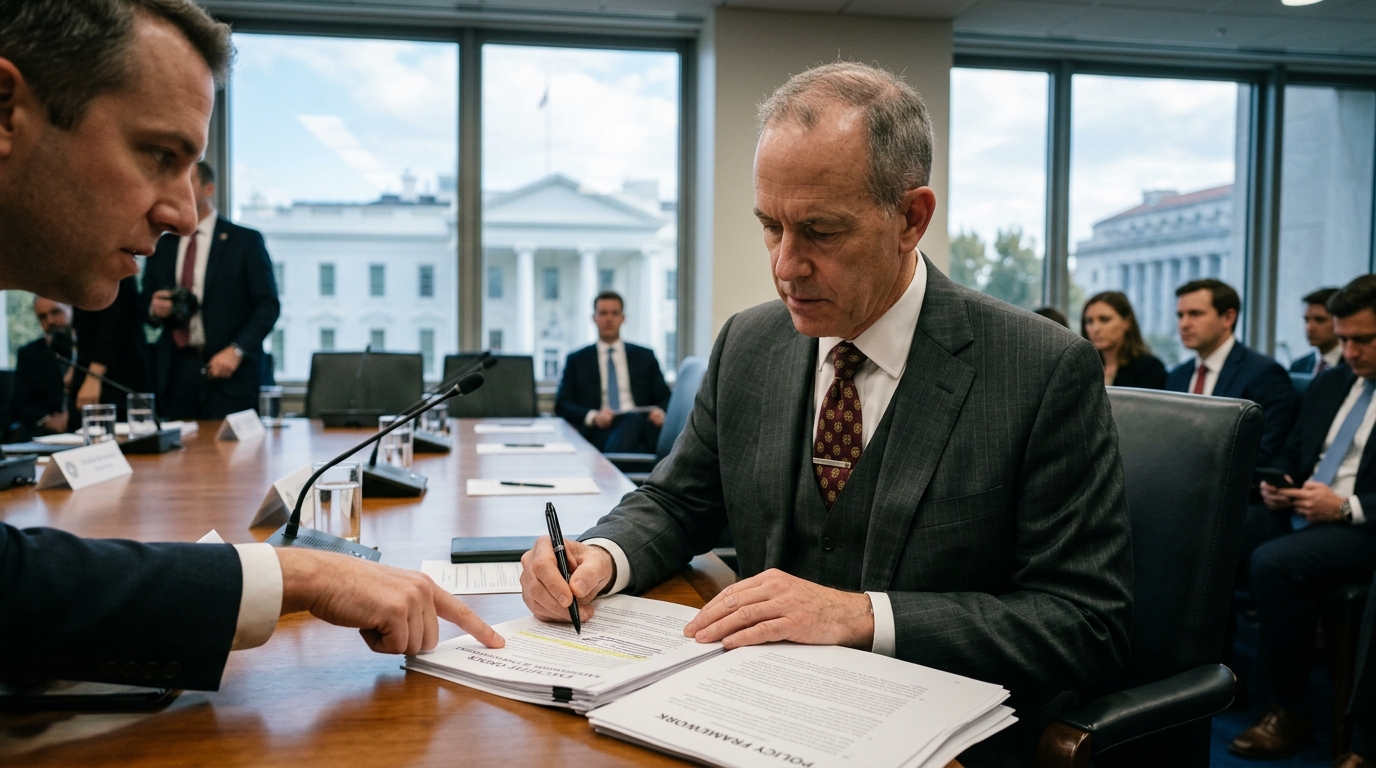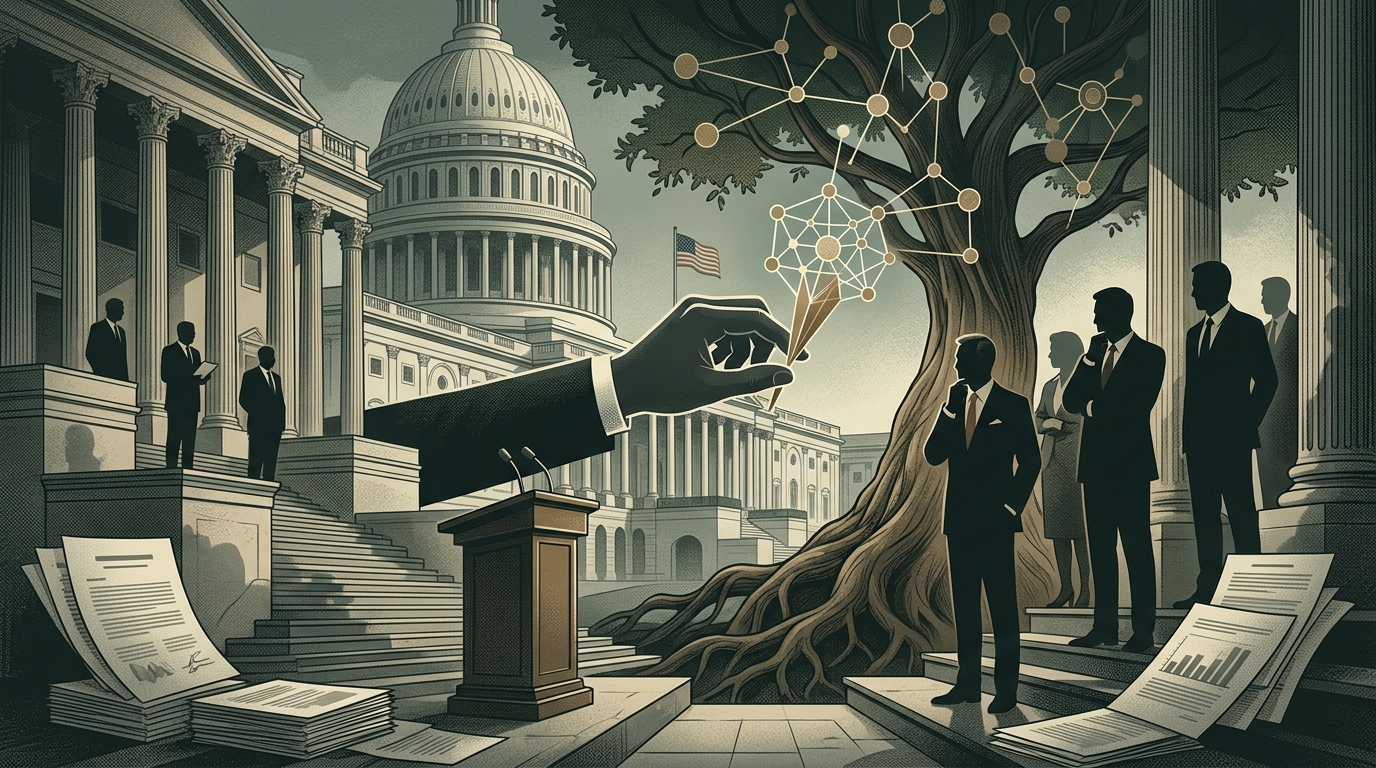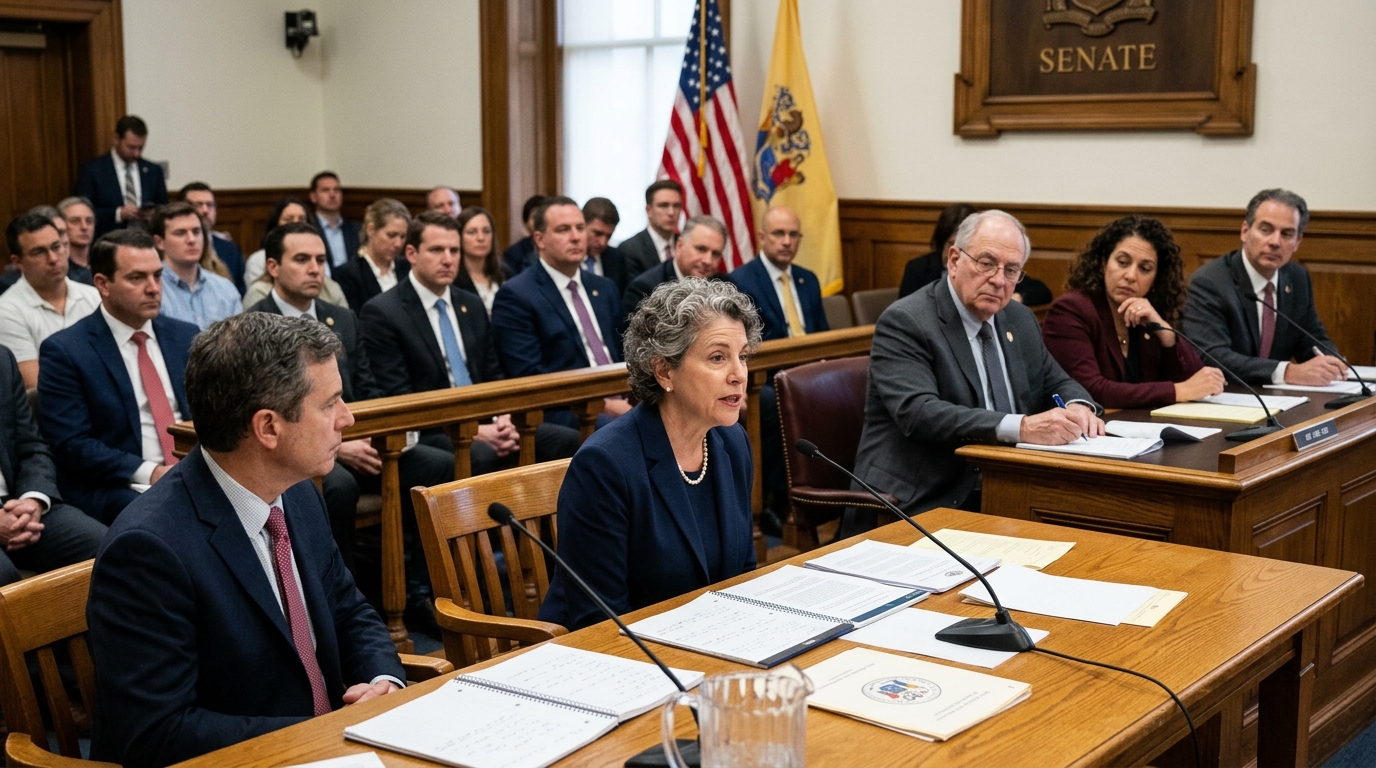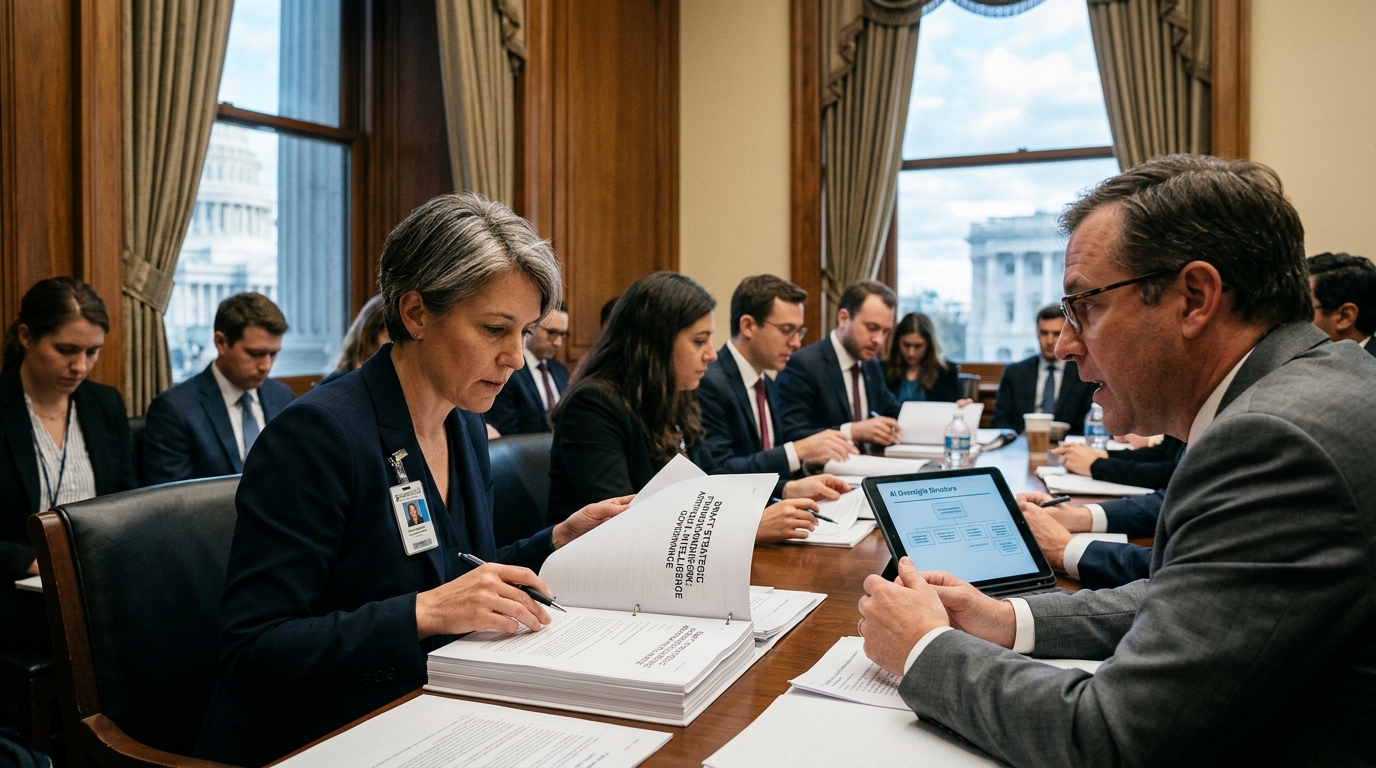
The era of the 'Wild West' for Artificial Intelligence in the United States is drawing to a close. As 2026 unfolds, Washington and state capitals are shifting from broad proclamations of principles to concrete, enforceable regulatory frameworks. Recent analysis from Wilson Sonsini highlights a critical pivot: the US regulatory approach is no longer a monolithic direction but a mosaic of federal directives, state laws, and rigorous enforcement by existing oversight bodies.
The Federal Chessboard: Beyond the Executive Order
President Biden’s Executive Order 14110, issued in late 2023, served as the foundational stone. However, the real news today lies in the implementation of the milestones it set. The National Institute of Standards and Technology (NIST) has now established the 'AI Risk Management Framework,' which is becoming the de facto standard for any corporation seeking to contract with the US government. The emphasis has shifted from mere 'ethics' to 'verifiable safety.'
Federal agencies, from the Department of Commerce to the Department of Defense, are now implementing controls on 'dual-use models' possessing immense computational power. This means developers of the most advanced models—such as OpenAI, Google, and Anthropic—are mandated to share safety test results (red-teaming) with the government. This represents an unprecedented intervention into private innovation, justified through the lens of national security and the prevention of catastrophic risks.
The State Revolt: The Colorado and California Models
While Congress struggles to legislate due to partisan gridlock, states are taking matters into their own hands. Colorado’s SB24-205 is a landmark piece of legislation, being the first to impose a 'duty of reasonable care' to prevent algorithmic discrimination. Crucially, it doesn't just target AI developers but also 'deployers'—the businesses using AI to make high-stakes decisions regarding employment, housing, or insurance.
In California, the debate surrounding the controversial SB 1047 has exposed the rift between Silicon Valley and regulators. While early versions faced fierce opposition for fear of stifling open-source innovation, the final trajectory is clear: large-scale developers will bear strict civil liability for catastrophic events caused by their models. This 'manufacturer's liability' model fundamentally alters the business logic of Big Tech, moving away from the 'move fast and break things' mantra.
Enforcement Agencies: The New Sheriffs
Perhaps the most immediate impact comes from the Federal Trade Commission (FTC) and the Securities and Exchange Commission (SEC). FTC Chair Lina Khan has made it clear that consumer protection and antitrust laws apply fully to AI. The phenomenon of 'AI washing'—exaggerating or falsely claiming AI capabilities to lure investors—is now firmly in the SEC's crosshairs, with the first major fines already being levied.
Furthermore, intellectual property protection remains the most significant hurdle. Court rulings expected within the year will determine whether training models on copyrighted data constitutes 'fair use.' The US government appears to be moving toward a compromise that protects content creators without cutting off the data pipelines essential for algorithmic training.
Conclusion and Outlook
The US AI regulatory landscape in 2026 is defined by a balancing act between three pillars: national security, civil rights protection, and the maintenance of economic dominance. For enterprises, the era of voluntary compliance is over. Wilson Sonsini emphasizes that AI governance is no longer a technical issue but a core strategic legal obligation. A company's ability to demonstrate transparency and safety in its systems will become the new 'seal of quality' in the global marketplace.