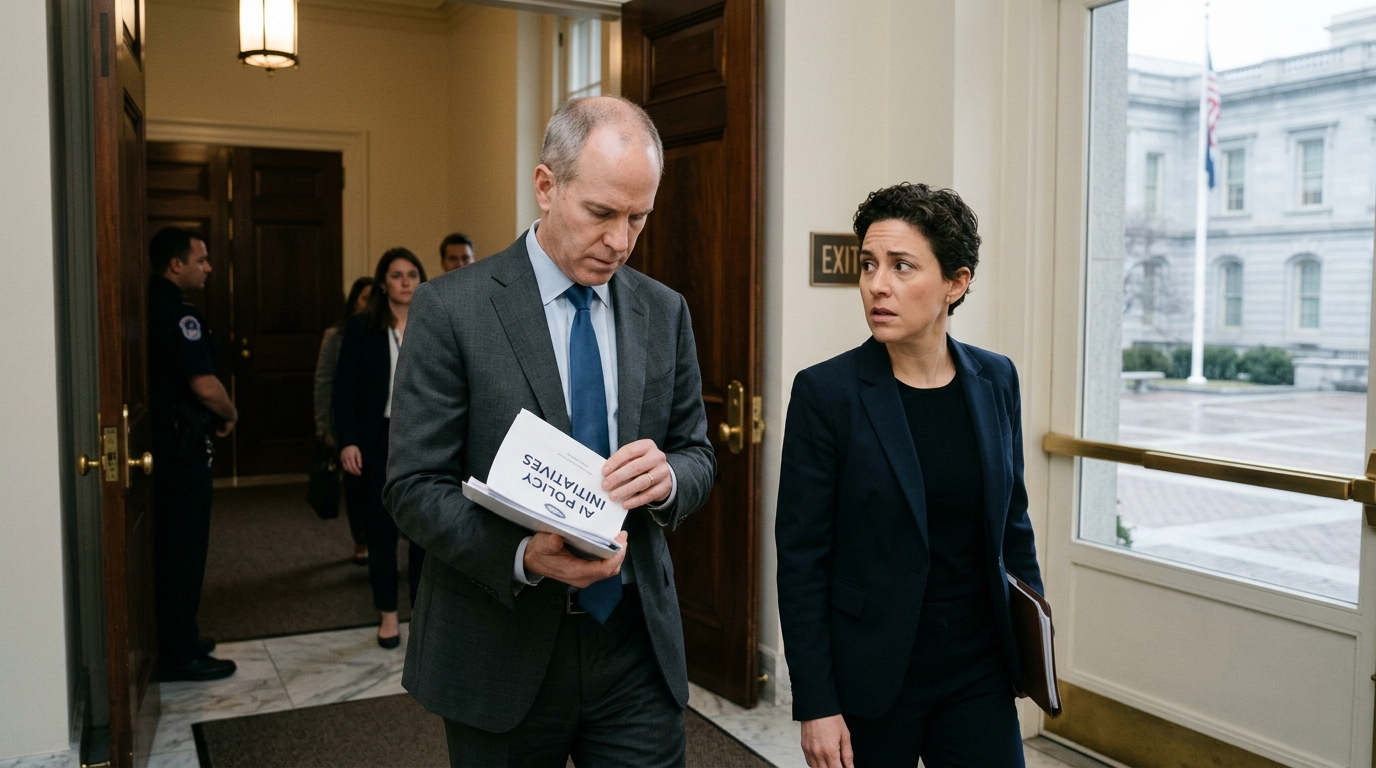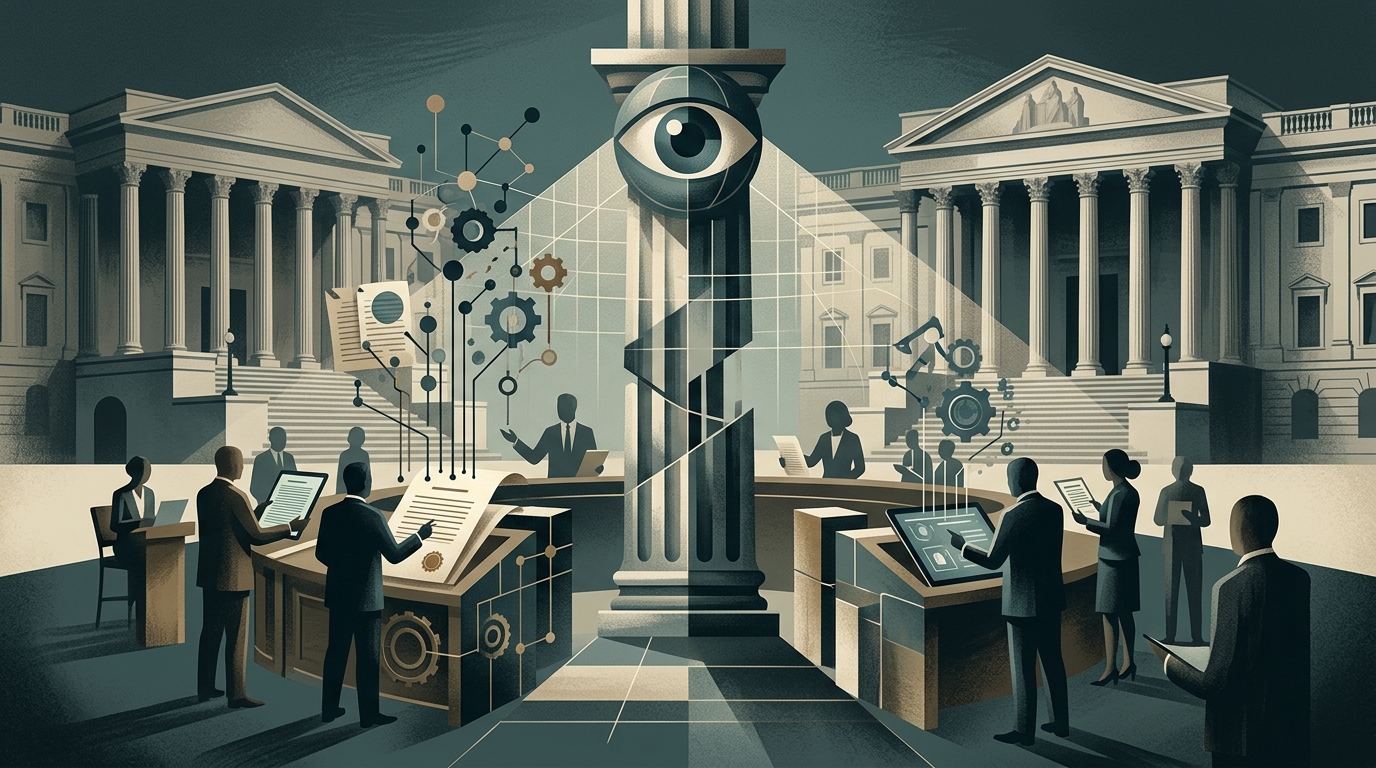
On May 8, 2026, the global artificial intelligence community stands at a decisive crossroads. The "Transparency Coalition," a multilateral initiative comprising the European Union, Canada, Japan, and several key U.S. states, issued today the most stringent regulatory framework to date. This move signals the end of the "black box" era and the beginning of a period where accountability is not optional but a prerequisite for market access.
The Mandate for Training Data Disclosure
The core of the new legislation concerns full transparency regarding training datasets. Until recently, tech giants cited trade secrets to obscure the sources of their data. As of today, any model classified as "high-risk" or "general-purpose with systemic impact" must publish detailed inventories of its sources. This includes disclosing whether copyright-protected content was used and whether explicit consent was obtained from creators.
The Coalition argues that without this transparency, it is impossible to audit the algorithmic biases that influence everything from corporate hiring to judicial sentencing. Violators face fines of up to 7% of their global annual turnover—a penalty that is forcing even the most profitable Silicon Valley firms to rethink their strategies.
Universal Watermarking and Digital Provenance
Another central pillar of the May 8 update is the enforcement of "Universal Digital Watermarking." In a world saturated with deepfakes and synthetic media, the Coalition demands that every image, video, or audio clip generated by AI carry an undetectable but permanent digital signature. This signature will allow browsers and social media platforms to automatically inform users about the content's origin.
- Mandatory metadata integration for all synthetic content production.
- Strict sanctions for platforms that remove or alter watermarks.
- Establishment of a global registry for authenticity verification.
This initiative aims to protect the democratic process as critical elections approach in several Coalition member nations. AI-driven disinformation is now officially categorized as a threat to national security.
Geopolitical Implications and Industry Backlash
Industry reaction has been immediate and polarized. While consumer advocacy groups hail the measures as the "Magna Carta of the digital age," some analysts warn of a potential "digital iron curtain." China and other powers not participating in the Coalition may adopt more relaxed rules, potentially giving their companies a temporary advantage in development speed.
"Transparency is not a barrier to innovation; it is the foundation upon which trust is built. Without trust, AI will never become the tool for progress we envision," stated the EU Commissioner for Digital Policy during the unveiling of the measures.
However, the compliance cost for small and medium-sized enterprises (SMEs) remains a thorny issue. The Coalition has promised the creation of "regulatory sandboxes" to help startups adapt without being stifled by bureaucracy. The challenge for the remainder of 2026 is whether these rules will become the global gold standard or lead to a fragmented digital world.