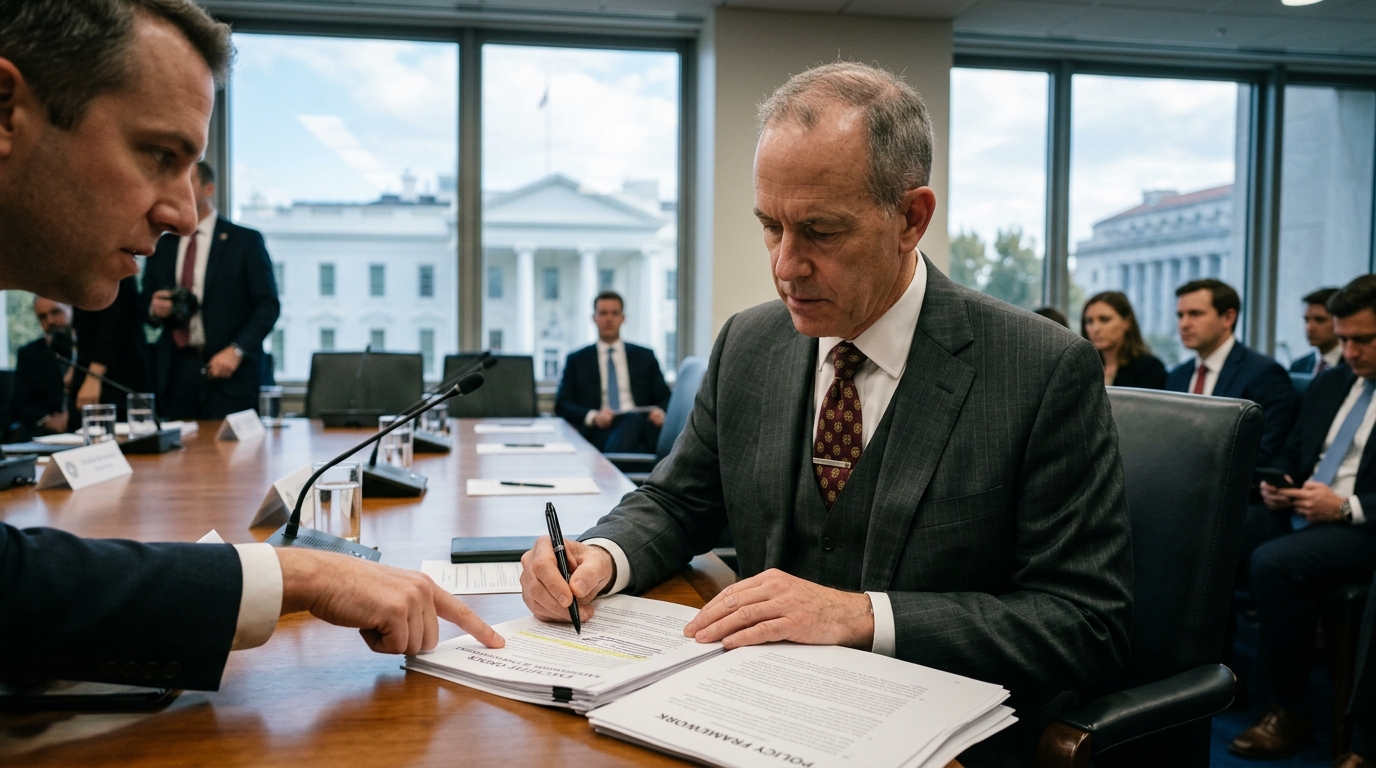
In a surprising twist to his long-standing legal battle with federal authorities, Donald Trump has withdrawn his $10 billion lawsuit against the Internal Revenue Service (IRS). The move, announced quietly through court filings, marks the end of an aggressive legal strategy aimed at punishing the agency for failing to protect his sensitive financial data.
The Leak and the Legal Counter-Strike
The case originated several years ago when Charles Littlejohn, a former IRS contractor, managed to exfiltrate the tax records of thousands of wealthy Americans, including Trump. These records were subsequently leaked to major news organizations like ProPublica and The New York Times, revealing intricate details of the former President's business dealings and tax strategies. While Littlejohn was eventually sentenced to five years in prison—the maximum allowed—the damage to Trump’s privacy was already significant.
The $10 billion lawsuit was grounded in the Privacy Act, with Trump’s legal team arguing that the IRS demonstrated gross negligence in its security protocols. They contended that the leak was not merely a technical failure but a targeted political strike designed to undermine his reputation and influence voters. The staggering $10 billion figure was viewed by legal experts as a symbolic attempt to establish a precedent of "punitive accountability" against government leaks.
The Political Calculus of Withdrawal
The decision to drop the suit comes at a unique moment in May 2026, with Trump back in the White House. Continuing a legal fight against an agency that now falls under his own administration’s executive branch would have created an unprecedented conflict of interest. Legal analysts point out that the optics of a sitting President suing his own Department of the Treasury are complicated, to say the least.
- The withdrawal avoids the discovery phase, which might have compelled Trump to provide sworn testimony or further financial disclosures.
- It allows the Trump administration to focus on restructuring the IRS from within rather than fighting it in a courtroom.
- It closes a flank that Democrats could have used to argue that the President was using the legal system to intimidate civil servants.
While no official settlement has been confirmed, the lack of detailed reasoning in the withdrawal filing has sparked speculation. It is possible that the Treasury Department has provided internal assurances regarding data security enhancements, satisfying Trump’s primary grievance without the need for a public monetary payout.
Institutional Implications and the Future of Tax Privacy
This case leaves behind a complex legacy regarding public trust in institutions. Although Littlejohn was prosecuted, the ease with which he bypassed IRS security remains a point of contention. For the American financial elite, the leak of these tax records served as a wake-up call: if the President’s data isn't secure, no one's is.
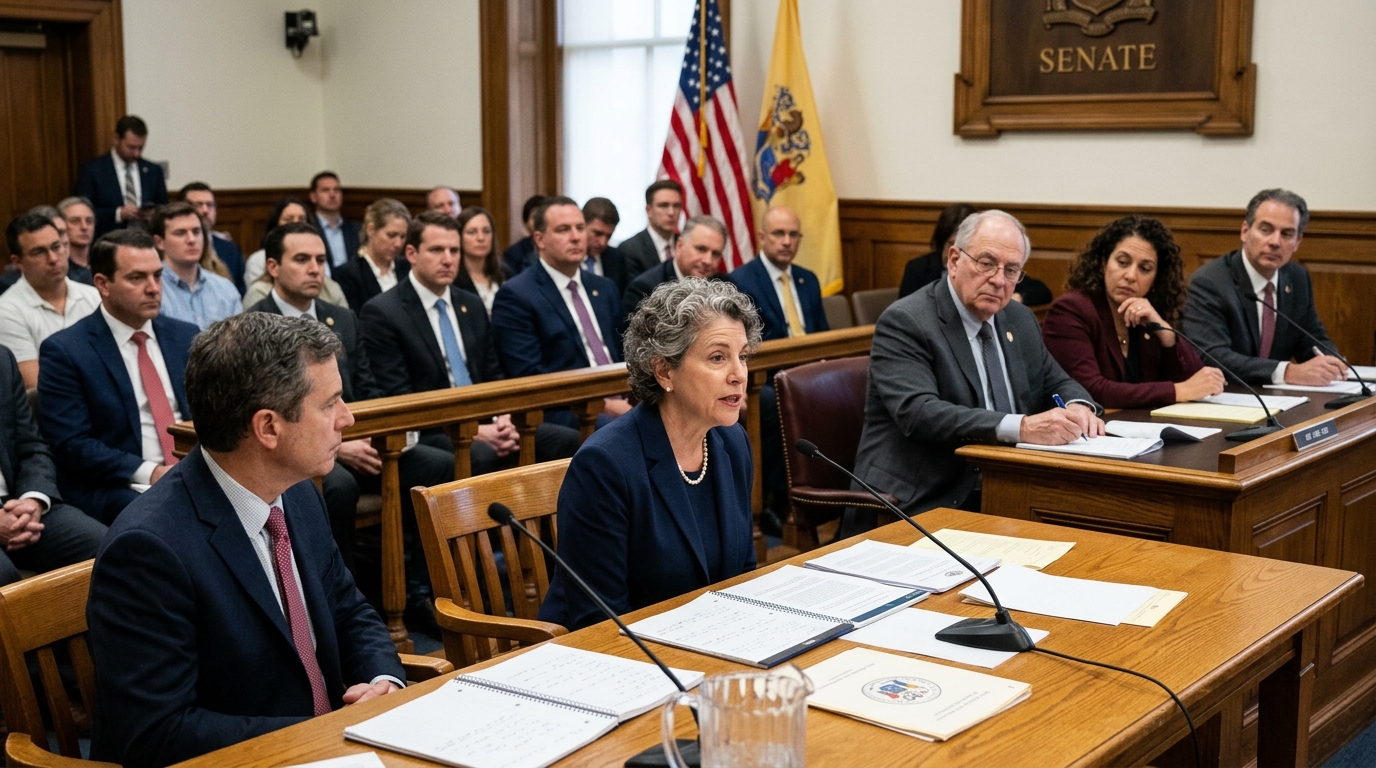
"The protection of personal data is not a partisan issue; it is a matter of national security and institutional integrity," a member of the Senate Finance Committee recently noted.
By withdrawing the suit, the opportunity to establish a formal judicial precedent on the liability of federal agencies for data breaches is lost. However, the debate over modernizing IRS infrastructure and stiffening penalties for leaks remains at the forefront of the legislative agenda. The Trump administration is now expected to pivot toward policy-based solutions, potentially using the momentum from this case to enact stricter privacy laws for all taxpayers.