In a development that could radically reshape the geopolitical map of the Middle East and global energy markets, the semi-official Iranian news agency Tasnim has reported a preliminary agreement between Tehran and the administration of Donald Trump. According to these reports, Washington has allegedly agreed to a 'freeze' on sanctions against Iranian oil exports in exchange for strict commitments and a new form of 'flexibility' regarding Iran's nuclear activities for non-military purposes. This news, if officially confirmed, represents a stunning 180-degree turn from the 'maximum pressure' policy that defined Trump's previous term, highlighting a new, more transactional approach to international diplomacy in 2026.
The Strategy of 'Flexibility' and the Nuclear Program
The concept of 'flexibility' mentioned in the reports from Tehran is the key term that seems to be unlocking years of deadlock. According to analysts, this flexibility involves permission for Iran to continue low-level uranium enrichment, strictly for energy and medical purposes, provided there is an unprecedented monitoring system in place. This is where technology plays a decisive role. Unlike in 2015, by 2026, the International Atomic Energy Agency (IAEA) possesses AI-driven tools and real-time satellite surveillance that make concealing military activities nearly impossible.
The Trump administration appears to be betting on the idea that an economically integrated Iran is less dangerous than an isolated Iran pushed into the arms of China and Russia. 'Flexibility' is not a concession but a calculated maneuver to control Iranian influence through economic dependence. Iranian negotiators, for their part, seem willing to accept stricter inspections in exchange for the survival of their economy, which has been brought to its knees by inflation and social unrest over the past few years.
Oil as a Diplomatic Lever
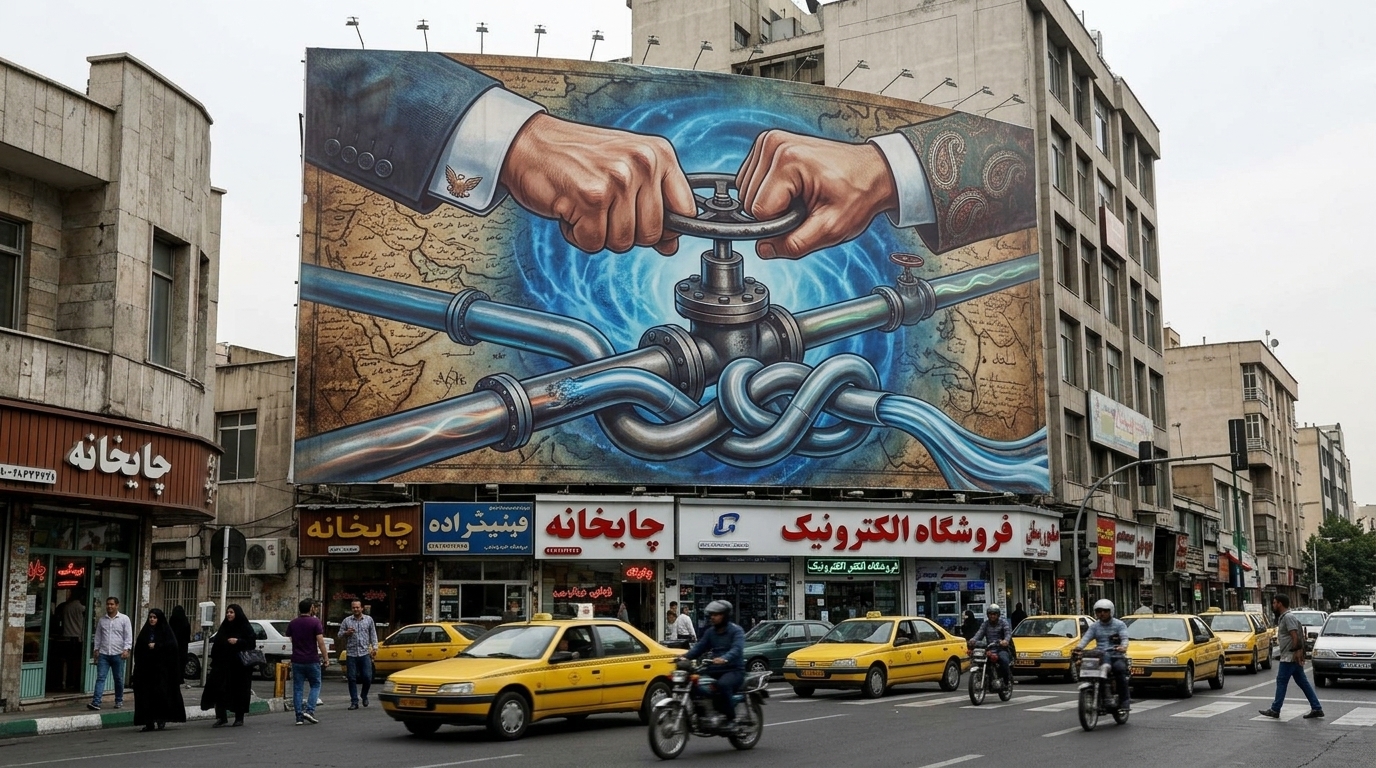
The freezing of oil sanctions is the 'golden mean' of the deal. For Donald Trump, reducing global energy prices is a central pillar of his domestic agenda. The return of Iranian crude to international markets without restrictions could lead to a significant drop in prices, providing relief to American consumers while simultaneously undermining Russia's energy revenues.
- Economic Lifeline: Iran holds some of the world's largest oil reserves. Their free flow could add millions of barrels per day to global supply.
- Weakening OPEC+: A US-Iran deal could disrupt the balance within OPEC+, as Tehran would no longer be bound by the need to align with Moscow to maintain high prices.
- US Domestic Politics: With midterm elections approaching, lowering gasoline prices is the ultimate political gift for the White House.
"This is not a friendship deal; it is a deal of convenience," says a source from the Brussels diplomatic corps. "Trump wants cheap oil, and Iran wants to avoid collapse. Nuclear ambitions are becoming the currency in this transaction."
Regional Reactions and the Role of AI
The news has caused a 'seismic' shock in Middle Eastern capitals. Israel remains deeply skeptical, with officials in Jerusalem warning that any 'flexibility' in the nuclear program constitutes an existential threat. However, Washington is reportedly offering Israel advanced AI-based defense systems and security guarantees to mitigate the backlash. On the other hand, Saudi Arabia, which has begun its own normalization process with Tehran, views the deal as an opportunity for regional stability that will allow the realization of its 'Vision 2030'.
On a technical level, verification of the deal will rely on a network of sensors and algorithms monitoring every gram of uranium. The use of Artificial Intelligence to analyze data from Iranian facilities reduces the margin for human error or political bias in IAEA reports. This 'algorithmic diplomacy' may be the only means of persuading the US Congress to accept such a deal, as it offers an objective safety valve.
Conclusion: A High-Stakes Risk
The potential US-Iran deal in 2026 demonstrates that in international politics, there are no permanent enemies, only permanent interests. If the Tasnim reports are accurate, we are witnessing a historic moment where economic realism prevails over ideological conflict. The stakes are enormous: if successful, the world will see cheaper energy and a more stable Middle East. If it fails, Iran could find itself closer to an atomic bomb than ever before, while having filled its coffers with billions of dollars from oil sales. History will judge whether Trump's 'flexibility' was a stroke of genius or a fatal mistake.