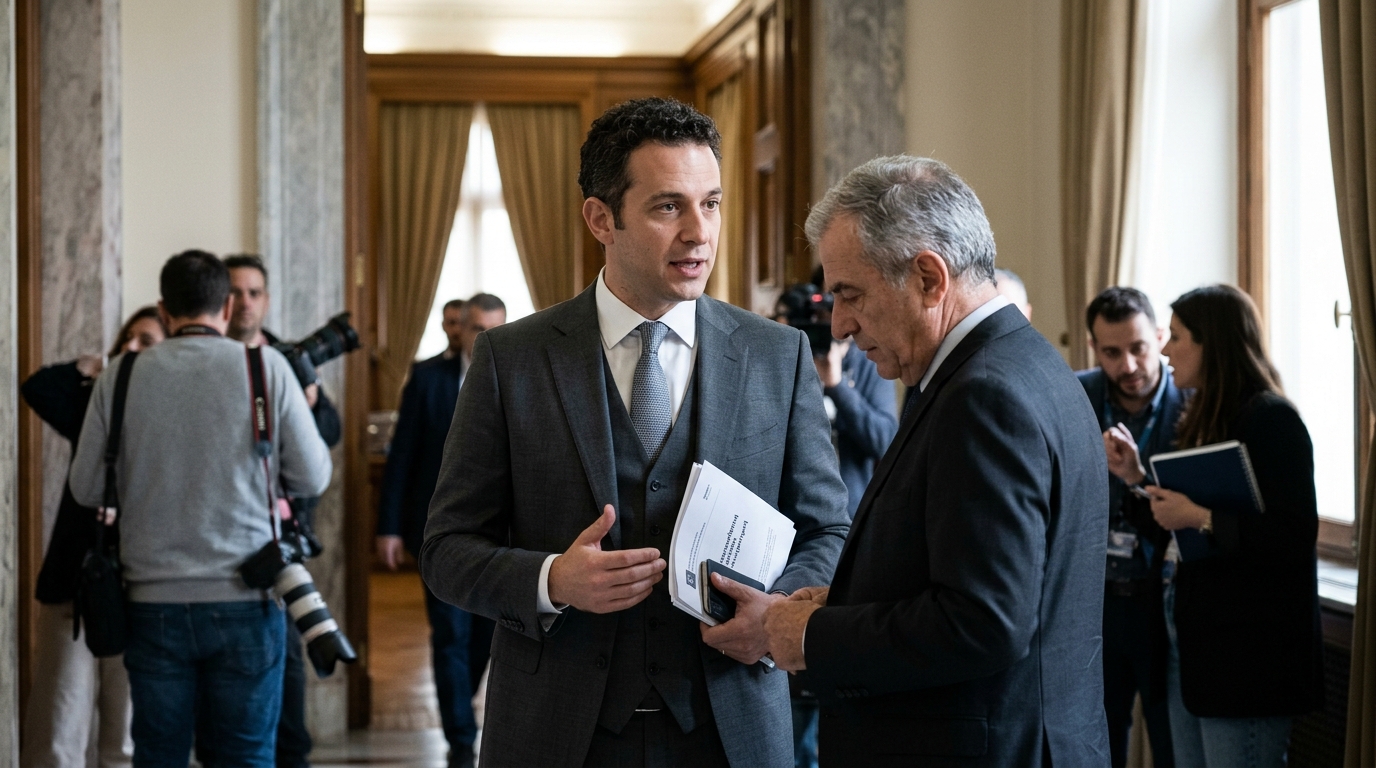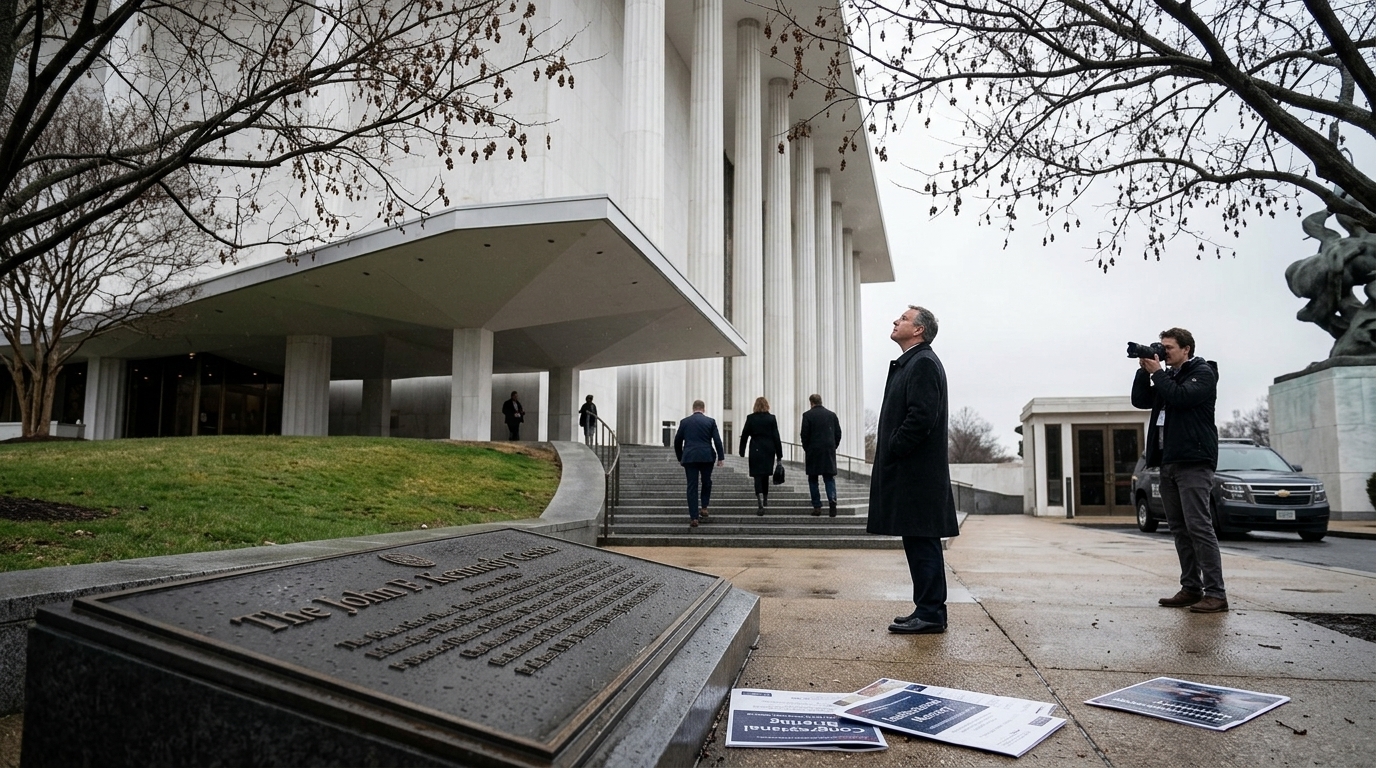
In an era where political polarization in the United States permeates every facet of public life, even temples of culture are becoming battlegrounds for legal and ideological warfare. The recent ruling by a federal court in Washington D.C., stating that any official association of Donald Trump’s name with the John F. Kennedy Center for the Performing Arts requires Congressional approval, is far more than a bureaucratic technicality. Instead, it serves as a resonant reminder of the separation of powers and the protection of national institutions from the transient whims of the executive branch.
Legal Framework and the Judicial Ruling
The case reached the courts following attempts by the Trump administration during his presidency to reshape the landscape of federal cultural institutions. The Kennedy Center, functioning as a "living memorial" to the assassinated president, is governed by a specific statute: The Kennedy Center Act. This act clearly defines its structure, funding, and naming conventions. The court ruled that the President does not possess the unilateral authority to modify or add names to sections of the center designated as national memorials, as these fall under the direct oversight of the legislative branch.
The ruling was anchored in the interpretation of the Center’s charter, which mandates that any significant change to the institution’s identity must pass through the relevant committees of the Senate and the House of Representatives. The judges emphasized that the Kennedy Center is not a mere government agency but a public trust held for the American people, whose integrity is legally shielded against political interventions that could dilute its historical character.
The Significance of the Kennedy Center as a Cultural Icon
To grasp the magnitude of this dispute, one must understand what the Kennedy Center represents to the American capital. It is not simply a venue for opera, theater, and music; it is the intersection where art meets diplomacy. Since its opening in 1971, it has hosted world leaders and honored the most significant artists of our time. Associating a political figure—especially one as divisive as Donald Trump—with such an institution was viewed by many as an attempt at the "cultural appropriation" of a national symbol.
- The Center receives annual federal appropriations, making it accountable to taxpayers.
- Its board includes members appointed by the President, yet its operational mandate remains independent.
- Its historical identity is inextricably linked to the Democratic legacy of the 1960s, adding a layer of political irony to Trump’s efforts.
Checks, Balances, and the Path Forward
This decision serves as a vital precedent for how the judiciary can limit the expansion of presidential influence over non-political organizations. As Trump prepares for a potential return to power, such rulings fortify the country's institutional memory. Congress, as the voice of popular sovereignty, remains the final arbiter of how past and present leaders are memorialized in public spaces.
"History is not a blank slate that every president can rewrite at will. There are institutional boundaries that protect our collective memory," remarked one of the legal experts involved in the case.
In the future, this case is expected to be a reference point for similar disputes involving other federal entities, such as the Smithsonian Institution or the National Gallery of Art. The battle for control of the Kennedy Center is not just about a building on the banks of the Potomac River; it is about the essence of American democracy: who has the right to define what is "national" versus what is "partisan."
Conclusion and Outlook
This judicial defeat for Donald Trump highlights the resilience of American institutions. Despite efforts to centralize power, the legal system continues to demand transparency and legislative consensus. The Kennedy Center will remain, at least for now, a monument belonging to all Americans, far from the shadow of personal ambitions seeking to carve their names into the marble of history without the consent of the people's representatives.