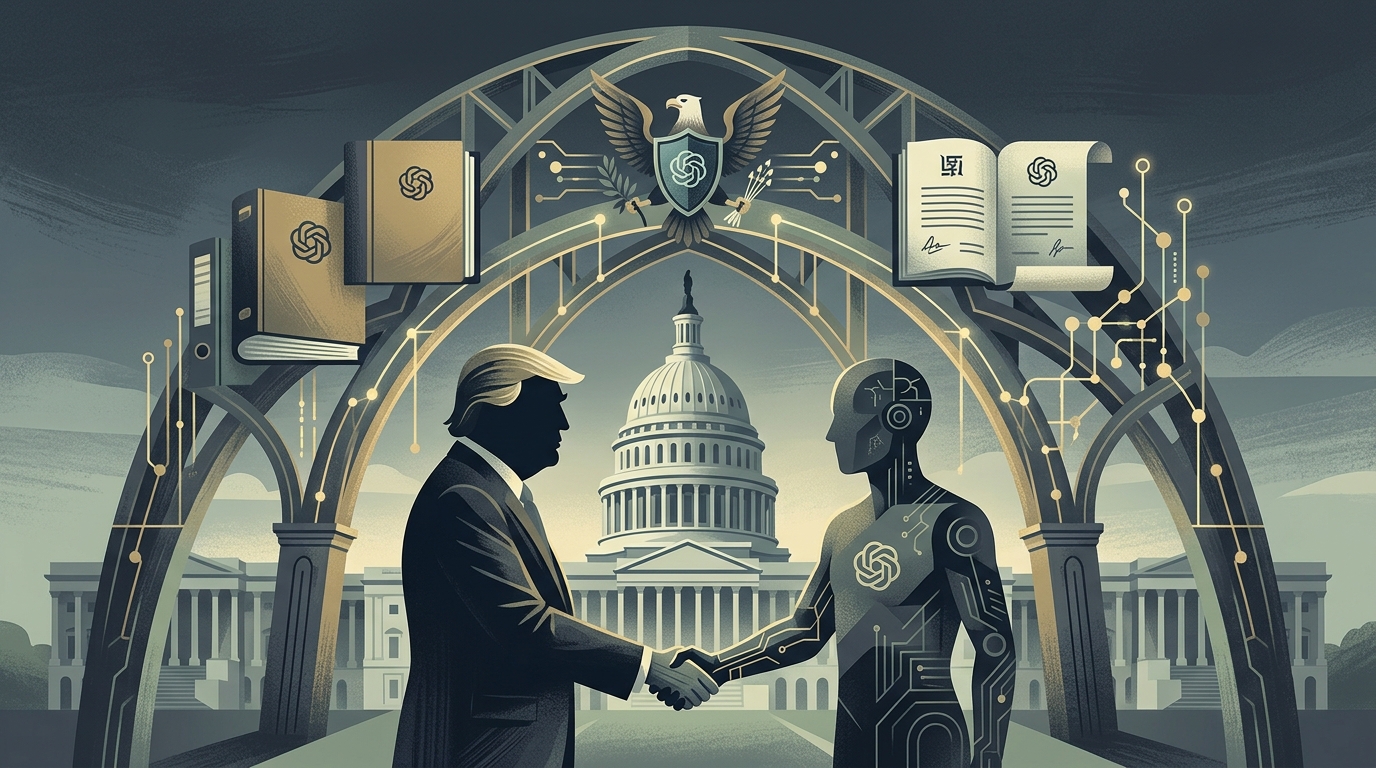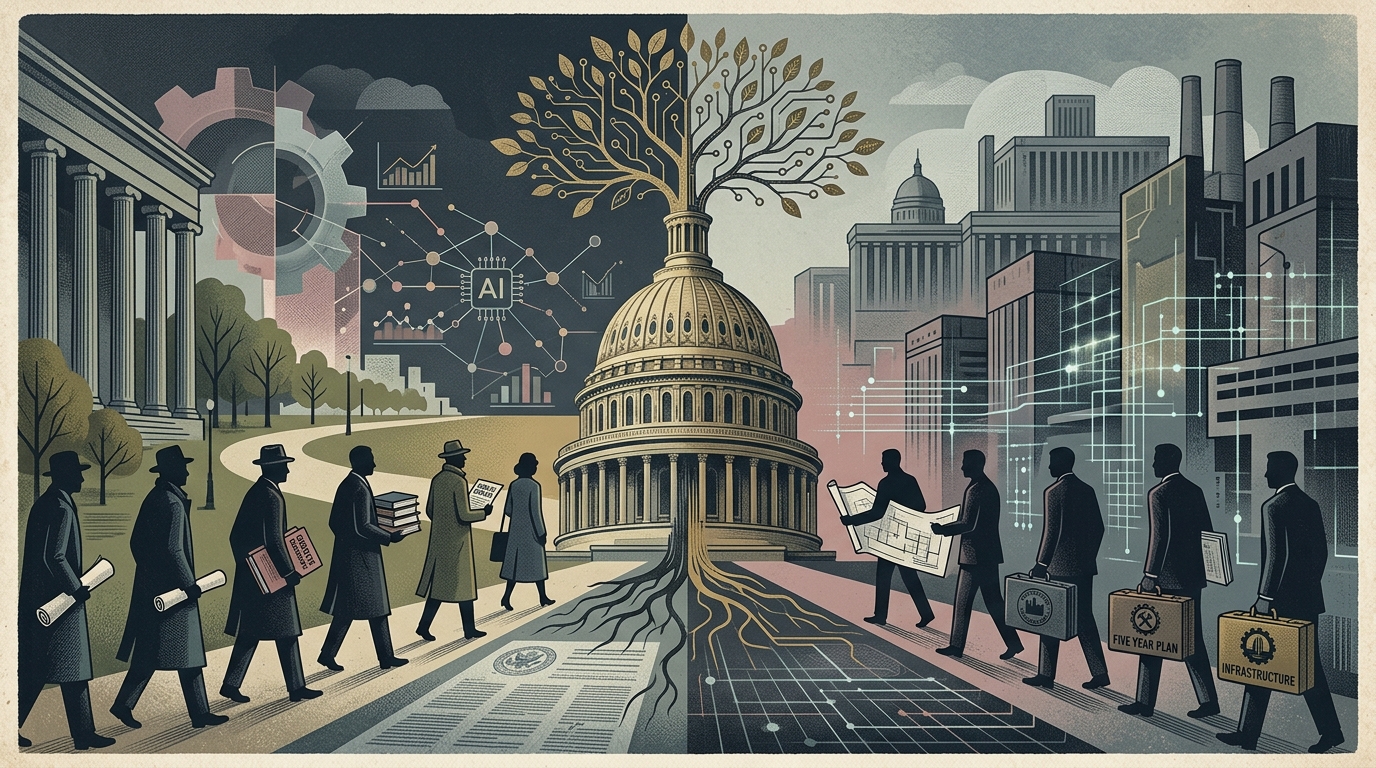
In a move that has stunned both Silicon Valley and Washington insiders, the Trump administration appears to be pivoting away from its traditional laissez-faire stance on technological development. Recent reports suggest that the White House is drafting an executive order aimed at establishing federal oversight for advanced Artificial Intelligence (AI) models. This shift, detailed in the latest episode of Wired’s “Uncanny Valley” podcast, marks a significant departure for an administration that had previously campaigned on dismantling Biden-era AI regulations.
The Strategic Pivot Toward Oversight
The proposed regulatory framework focuses heavily on national security and American sovereignty. While President Trump had once criticized the 2023 Executive Order on AI as an impediment to innovation, the geopolitical reality of the AI arms race with China has forced a recalibration. Advisors are increasingly concerned that the uncontrolled proliferation of powerful AI models could empower adversaries to launch sophisticated cyberattacks or engineer biological threats.
The upcoming order is expected to introduce rigorous monitoring of the massive compute clusters required to train "frontier" models. The administration is reportedly considering a "kill switch" mechanism or a licensing regime for companies developing dual-use technologies. This policy shift reflects a growing consensus within the administration: AI is no longer just a commercial asset but a critical component of national infrastructure that cannot be left entirely to the whims of the private sector.
The DOGE Backlash and the Human Factor
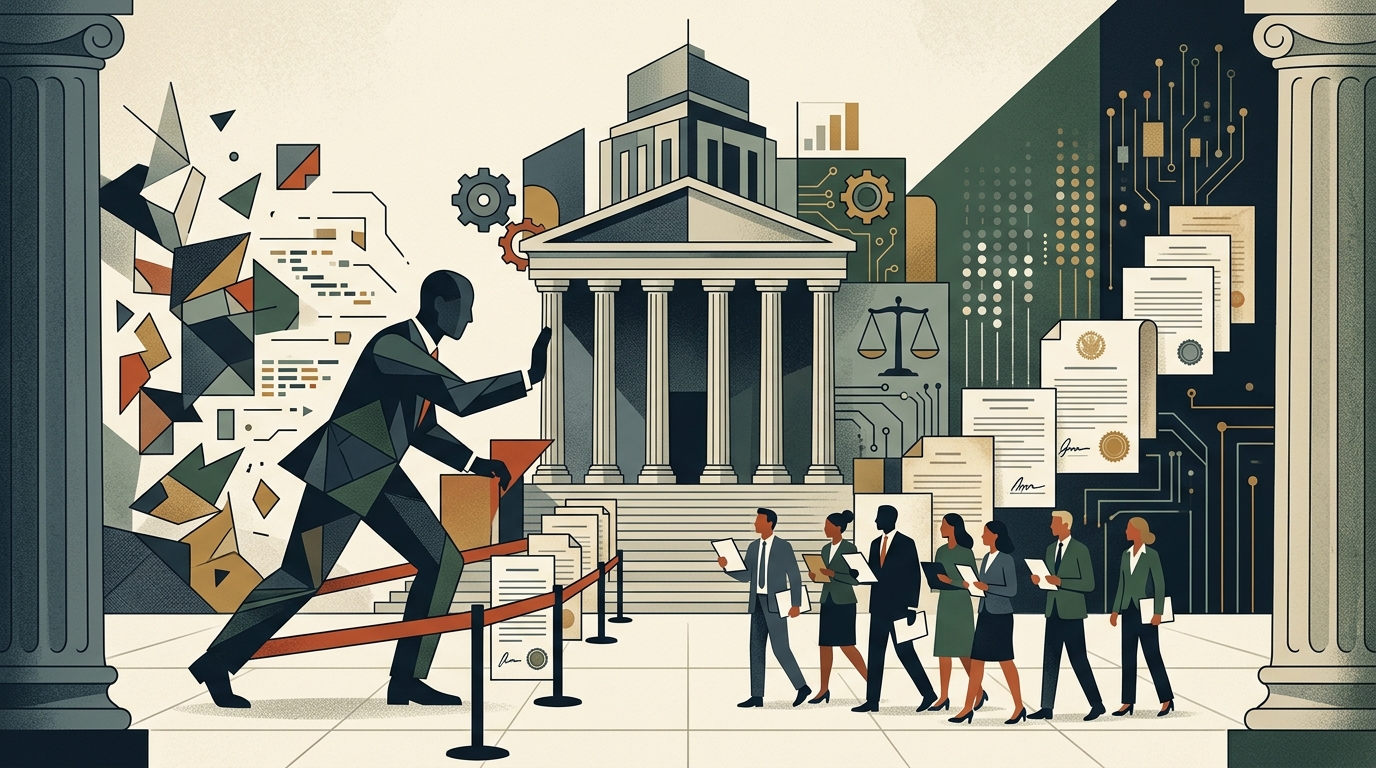
Simultaneously, the Department of Government Efficiency (DOGE), led by Elon Musk and Vivek Ramaswamy, continues its aggressive campaign to downsize the federal workforce. However, this "efficiency at all costs" approach is meeting unexpected resistance. A former federal employee, ousted during a DOGE-led purge, has launched a congressional bid that is rapidly gaining national attention.
This candidate has become the face of a burgeoning movement against "algorithmic austerity." By campaigning on a platform of human-centric governance, they are tapping into a deep-seated anxiety among workers who feel discarded by the administration's technocratic vision. The success of this movement suggests that the American electorate may be reaching a breaking point regarding the radical dismantling of government institutions. As we approach the 2026 midterms, the tension between automated efficiency and social stability is set to become a defining electoral issue.
Biosecurity, Hantavirus, and the AI Nexus
The discussion also touched upon the alarming intersection of AI and biosecurity, specifically concerning Hantavirus. Hantavirus, a severe respiratory disease typically spread by rodents, serves as a grim example of the biological threats that AI could potentially exacerbate. Experts warn that advanced LLMs could be manipulated to provide step-by-step instructions for enhancing the virulence of such pathogens.
- AI's ability to model protein folding is a double-edged sword: it can accelerate vaccine development or optimize viral toxicity.
- The Trump administration's pivot toward oversight is partly driven by the need to gatekeep "hazardous knowledge" within these models.
- Public health is being reframed as a national security priority, where AI acts as both the primary threat vector and the ultimate defense mechanism.
Ultimately, the U.S. political landscape in May 2026 is defined by these contradictions. An administration that rose to power on promises of deregulation is now building a new regulatory apparatus to manage the existential risks of AI. Meanwhile, the human cost of the DOGE’s efficiency drive is fueling a new political class of "resistance technocrats." The coming months will determine whether the federal government can successfully balance the need for technological supremacy with the fundamental requirement of protecting its citizens from both biological and economic displacement.