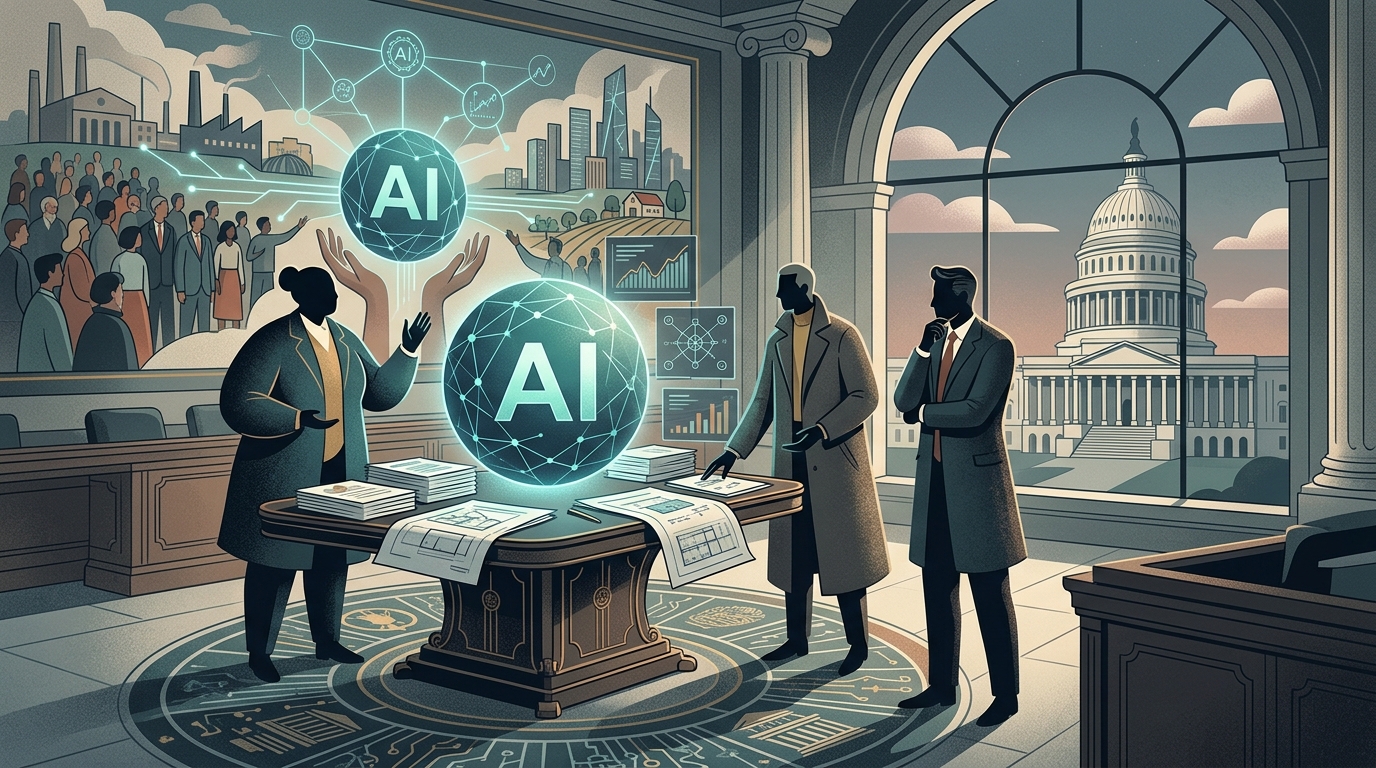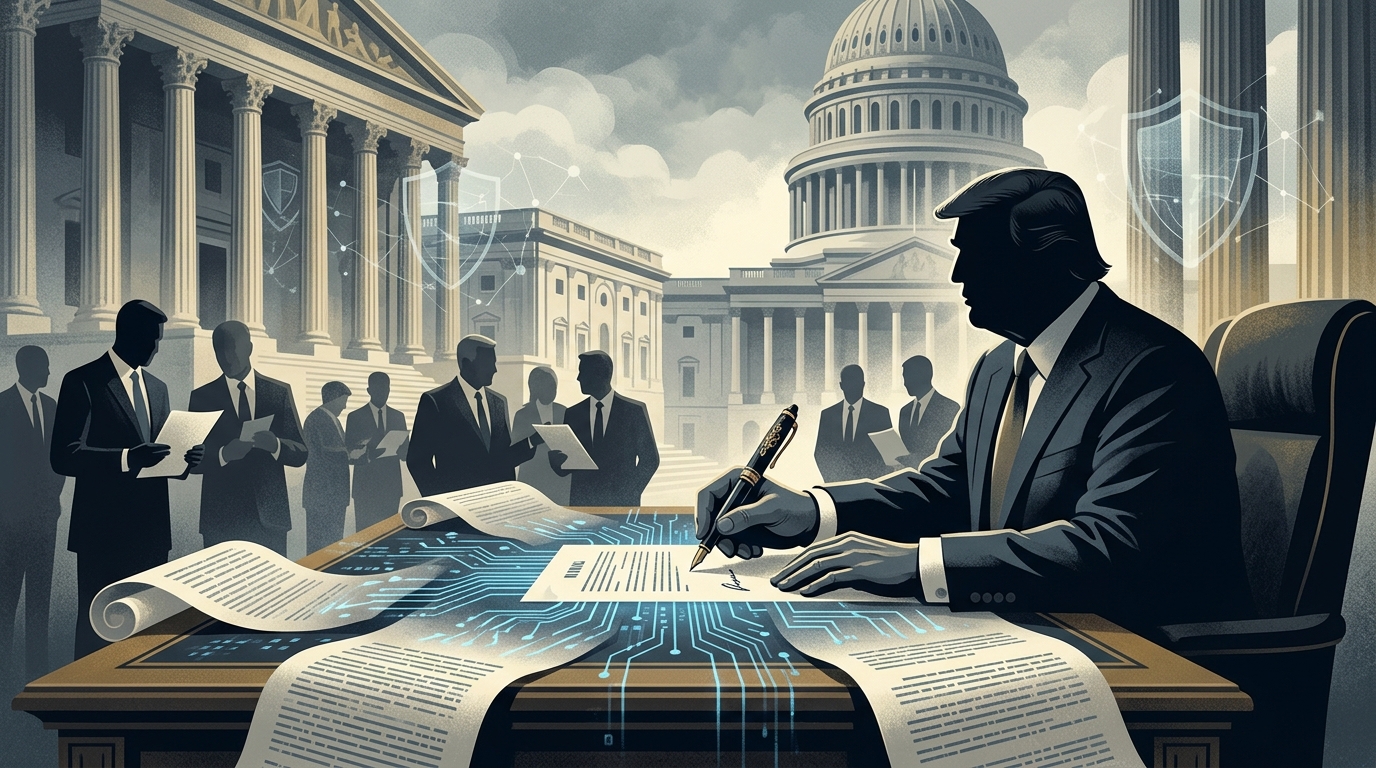
In a move poised to reshape the landscape of global technological dominance, President Donald Trump is set to sign a sweeping executive directive on Artificial Intelligence cybersecurity today, Thursday, May 21, 2026. This action, coming amidst a period of heightened geopolitical friction, signals a decisive shift toward "digital nationalism," where technological supremacy is inextricably linked to national survival.
The Strategy of "Fortified" Intelligence
The new directive is not merely a set of technical specifications; it is a comprehensive strategy to protect American infrastructure from AI-driven hostile attacks. According to sources familiar with the matter, the order focuses on three core pillars: securing critical infrastructure (energy, water, and financial systems), preventing the theft of intellectual property by foreign adversaries, and accelerating the development of autonomous defensive AI systems. The Trump administration appears to be adopting a "security through strength" approach, arguing that the only way to counter an AI threat is with an even more powerful, domestic AI.
The text of the directive is expected to impose stricter security protocols on companies developing large-scale models (LLMs), requiring regular "red-teaming" exercises conducted by or in conjunction with federal agencies. This represents a delicate balancing act for Trump, who traditionally favors deregulation, but in the realm of AI, seems to prioritize state oversight in the name of national security.
A Gathering of Titans: Silicon Valley Meets the White House
The presence of tech industry leaders at the signing ceremony is no coincidence. It is a display of unity—or perhaps a reminder of the hierarchy. Among those invited are reportedly the CEOs of Microsoft, Nvidia, OpenAI, and Palantir. Trump’s relationship with Silicon Valley has been historically turbulent, yet the shared threat of global competition, primarily from China, appears to be bridging the divide.
- Public-Private Synergy: The directive establishes an "AI Cybersecurity Council" designed to facilitate rapid information sharing regarding threats between intelligence agencies and tech giants.
- Supply Chain Integrity: Significant emphasis is placed on semiconductor security, with strict limitations on the use of components not sourced from "trusted" or allied nations.
- Real-Time Cyber Defense: The order funds programs to develop AI that can identify and neutralize viruses and malware autonomously before damage occurs.
Geopolitical Implications and the AI "Cold War"
The timing of this signing is critical. As China continues to invest billions into AI with the goal of global leadership by 2030, the U.S. feels the urgent need to fortify its digital borders. The Trump directive could be viewed as a digital version of the Monroe Doctrine, declaring American cyberspace off-limits to adversaries. However, this approach carries risks. The fragmentation of the internet into "national AI fiefdoms" (the so-called splinternet) could slow global innovation and increase costs for multinational corporations.
"We cannot allow the future of freedom to be written in code created by authoritarian regimes," the President is expected to state, according to a draft of his remarks.
Europe, meanwhile, watches with a mix of apprehension and curiosity. While the EU has focused on regulating ethics and civil rights through the AI Act, Washington is pivoting sharply toward security and power. This divergence could create new frictions in transatlantic relations, as American firms find themselves caught between two entirely different philosophical and legal frameworks.
Critique and the Road Ahead
Critics of the directive warn that an excessive focus on cybersecurity could serve as a pretext for suppressing dissent or increasing domestic surveillance. Furthermore, the close collaboration between the state and Big Tech raises questions about market competition. Will smaller startups have the resources to comply with these rigorous new security protocols, or will this decree further entrench the monopoly of existing giants?
Regardless of the outcome, today marks a historical milestone: the moment Artificial Intelligence officially ceased to be viewed as a mere productivity tool and became the central battlefield of 21st-century national security.