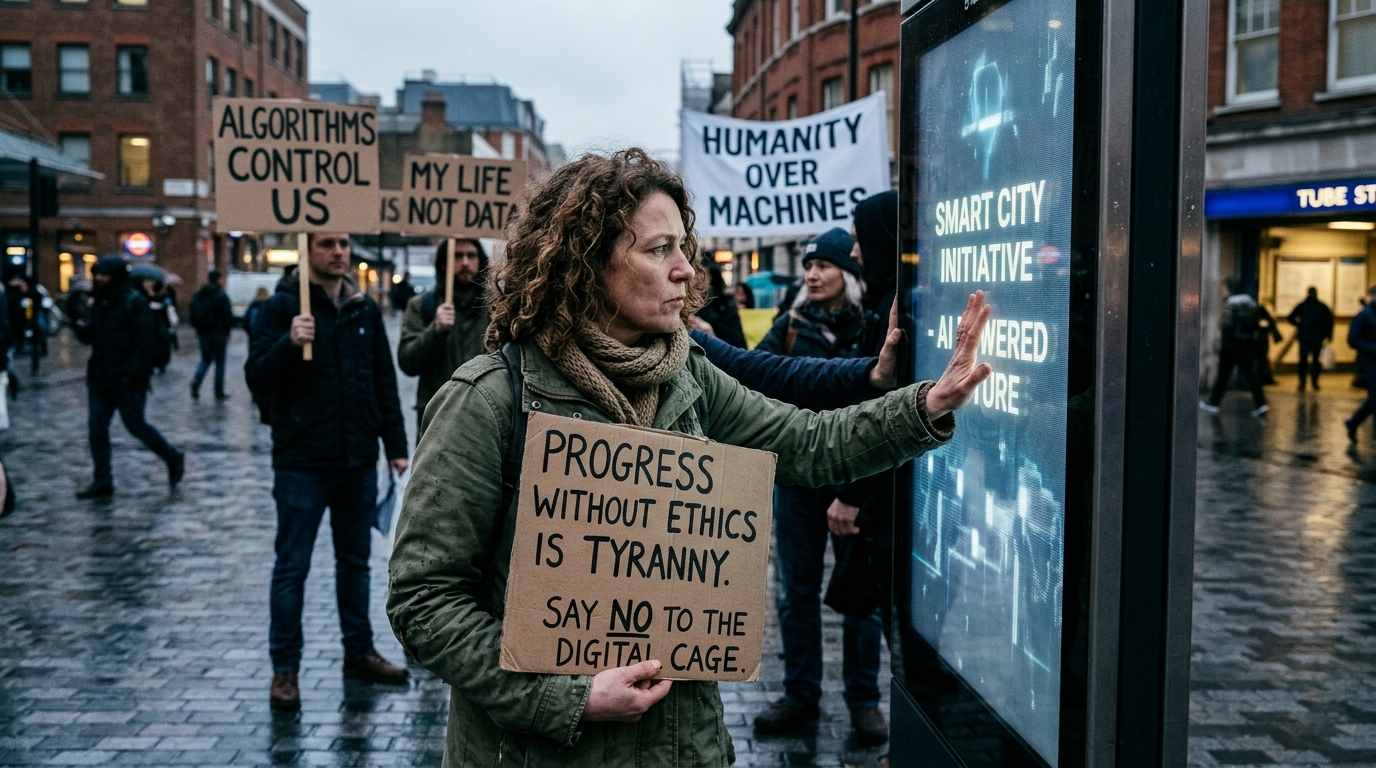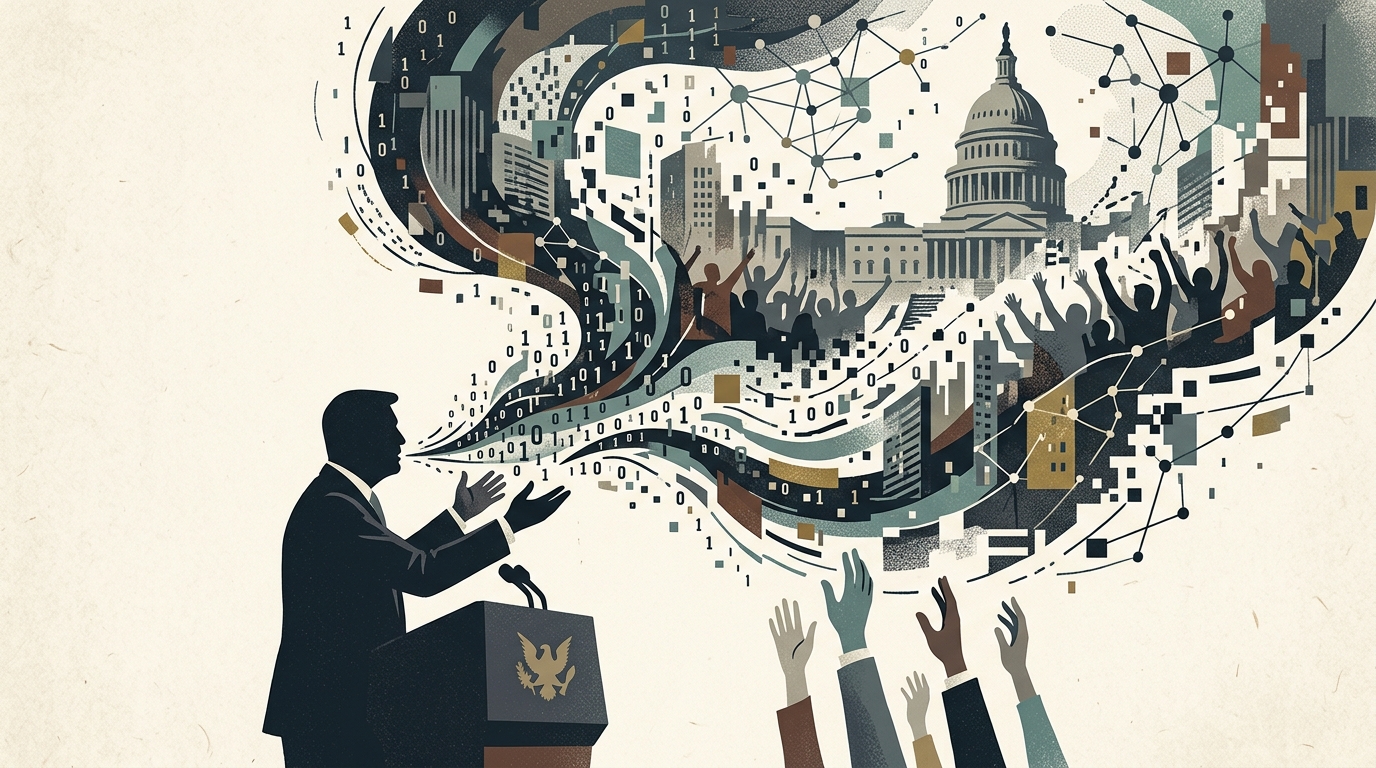
In the heart of Silicon Valley, where algorithms dictate success and balance sheets determine human worth, a new form of artistic protest is emerging. The case of Bobby Caudill, a former Meta employee who lost his job during Mark Zuckerberg’s infamous “Year of Efficiency,” serves as a compelling case study of how the very technology often blamed for job displacement can become the medium for expressing the pain that displacement causes.
Digital Catharsis Through AI Music
Caudill wasn’t a musician. He was a tech professional who suddenly found himself on the outside looking in, along with thousands of his colleagues. Instead of sinking into despair or limiting himself to angry LinkedIn posts, he turned to the tools his industry aggressively promotes: Generative AI. Using platforms like Suno, he created a series of songs that describe the experience of being laid off with rawness, humor, and melancholy.
The result is a paradoxical collection of AI-generated tracks that speak of corporate account lockouts, the frozen silence of Slack channels, and the feeling of being just a row in a spreadsheet. This act of creation was not just a form of protest, but also a process of psychological recovery. AI allowed someone without musical training to compose a soundtrack for a collective traumatic experience, democratizing the ability to produce cultural content in response to corporate coldness.
The Irony of the “Year of Efficiency”
2023 and 2024 will go down in tech history as the years of the great correction. Following over-expansion during the pandemic, giants like Meta, Google, and Amazon proceeded with tens of thousands of layoffs. Zuckerberg dubbed this period the “Year of Efficiency,” a euphemism that meant a stock price surge for shareholders but uncertainty and identity loss for employees.
Caudill’s use of AI to critique Meta is deeply ironic. Meta invests billions in developing its own AI models (like Llama), promising a future where technology enhances human creativity. Caudill took that promise and turned it against its creator. His songs went viral within laid-off worker communities, acting as a digital “chorus” in a modern tragedy.
“It’s a form of digital survival,” says one analyst. “When the system ejects you, you use the fragments of the system to build your own narrative.”
The Ethics of AI Creation and the Future of Labor
Beyond Caudill’s personal story, the phenomenon raises significant ethical questions. If AI can produce songs that evoke genuine emotion in thousands of people experiencing the same situation, what does that mean for the authenticity of art? And more importantly, if AI is the tool that will automate many of the tasks currently performed by humans, is its use to express the pain of layoff a prophetic image of the future?
- AI as a therapeutic tool: The ability to externalize emotions through creation, without the barrier of technical skills.
- The depersonalization of layoffs: How large corporations use data to make decisions, and how employees use data to respond.
- A new form of labor activism: Content creation that goes viral as a means of pressure and public awareness.
In conclusion, the story of the Meta “layoff songs” is not just a quirky news item from the tech world. It is the first act of a drama we will see unfold in the coming years: the struggle of humans to maintain their voice in a world dominated by machine efficiency, using—ironically—the machines themselves as a megaphone.