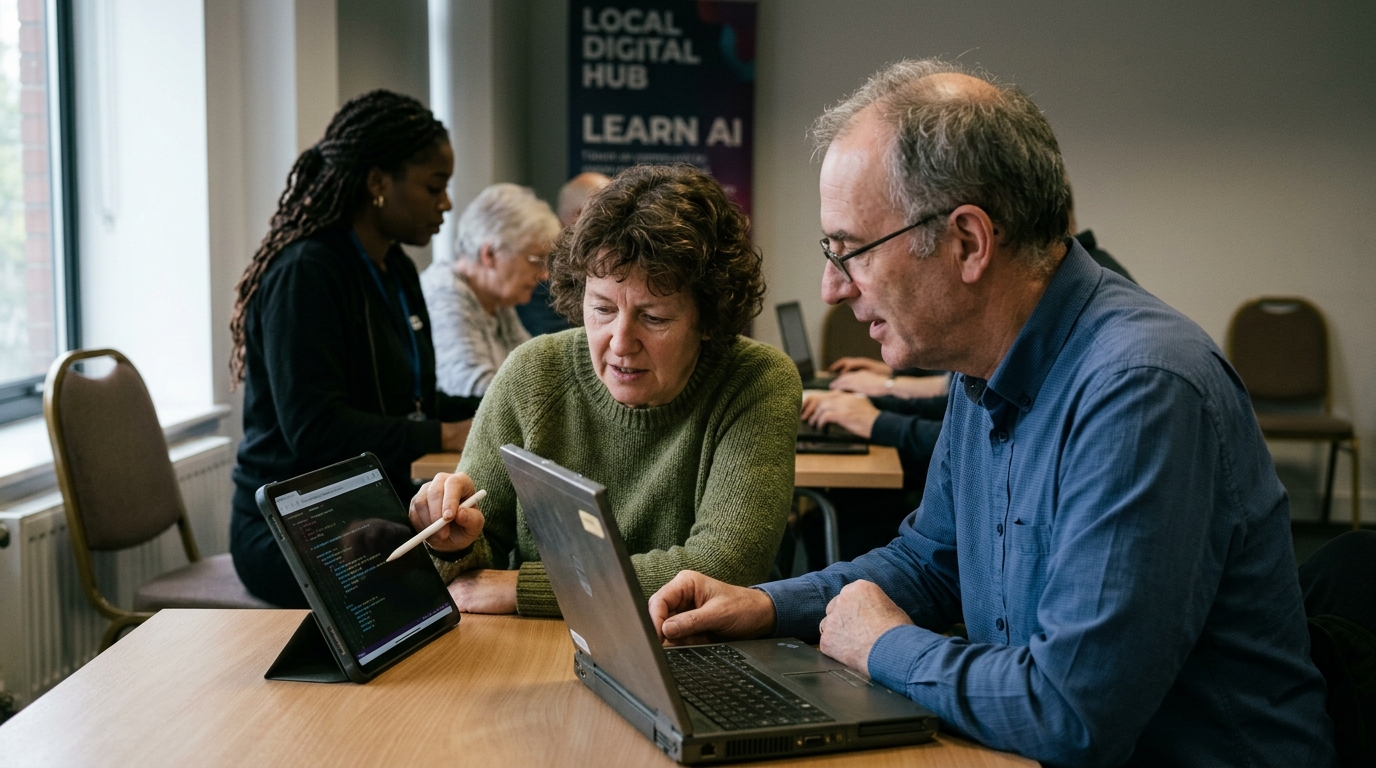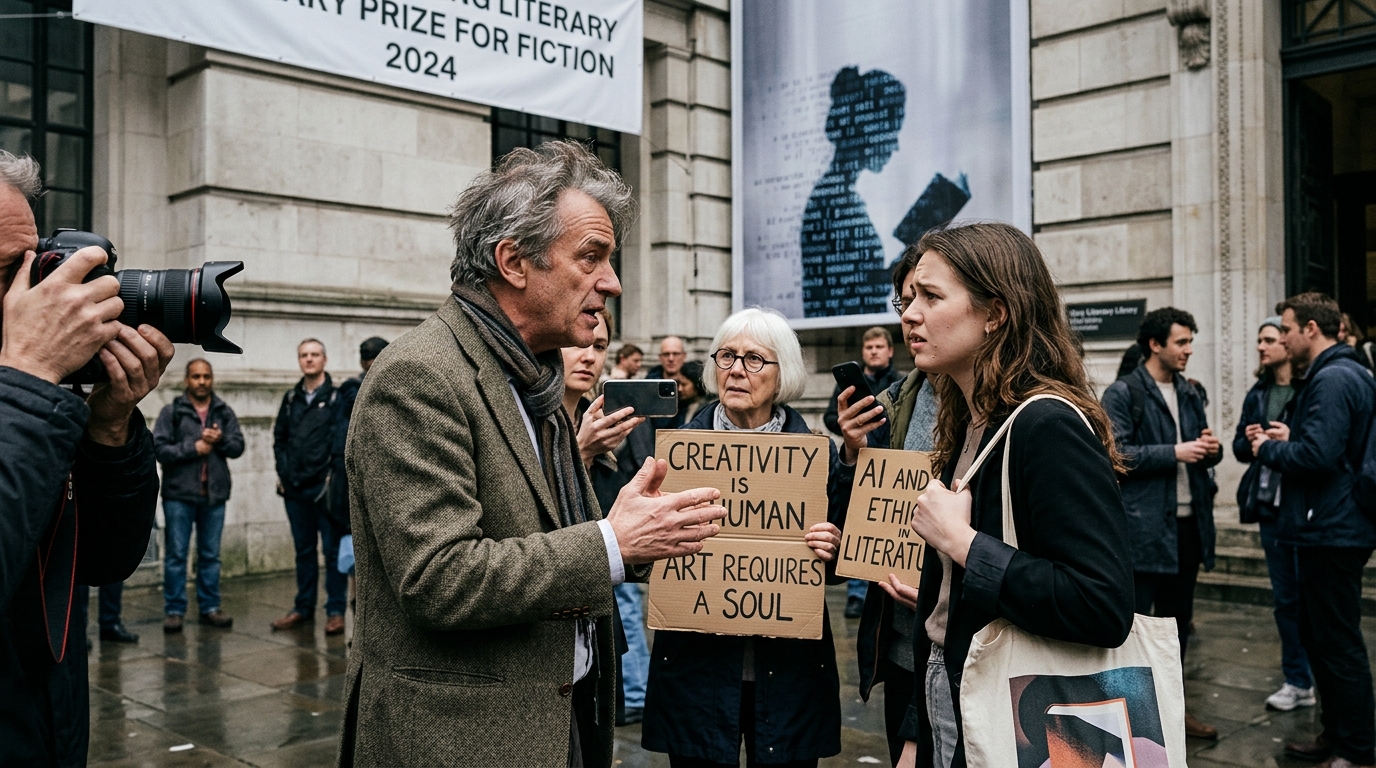
The news struck like a lightning bolt in Tokyo's literary circles and quickly rippled across the globe: Rie Kudan, the winner of the prestigious Akutagawa Prize—Japan’s highest literary honor for rising authors—publicly admitted that approximately 5% of her novel, *The Tokyo Tower of Sympathy*, was written with the assistance of ChatGPT. This revelation was not merely a technical footnote; it was a direct challenge to the very foundation of 'authorship' in an era where generative AI is beginning to permeate every facet of human expression.
The Admission and the Chronicle of Controversy
During the award ceremony, the 33-year-old Kudan stated with disarming honesty that she utilized AI to unlock her creativity. "I plan to continue using AI in the writing of my novels, while letting my creativity express itself to the fullest," she remarked. The book, set in a future Tokyo where AI is omnipresent, uses the technology itself as a central thematic pillar, a fact that complicates the ethical dimension of its usage.
The Akutagawa Prize judges found themselves in a precarious position. While the work was described as "flawless" and "hard to find fault with," the post-announcement revelation sparked a firestorm on social media and within academic circles. Is it fair for an author using algorithmic support to compete against those relying solely on human labor? The committee, however, stood by Kudan, stating that the work remains a significant literary achievement regardless of the tools employed.
The Ethics of Transparency and the Definition of an Author
The central question arising from the Kudan case is not whether AI can write well—that has already been proven—but whether its use must be mandatorily disclosed. In the world of scientific publishing, using AI without attribution is often considered plagiarism or academic fraud. In literature, however, the boundaries are blurrier. Authors have used spell-checkers, electronic dictionaries, and search engines for decades. Where does "assistance" end and "co-authorship" begin?
- The Concept of Intent: The author still maintains control over the plot, the characters, and the final edit.
- Originality: AI produces text based on probabilities and existing data, raising questions about whether true innovation can exist.
- Ethical Responsibility: Readers often feel "cheated" when they learn that the emotions they felt were triggered by an algorithm.
Many argue that Kudan acted as an "editor" for the AI. If 95% of the work is hers, then the AI functioned merely as a sophisticated brainstorming tool. However, the lack of clear rules from literary organizations creates a vacuum that could lead to the devaluation of human effort.
The Impact on the Publishing Industry
This case serves as a milestone for the global publishing industry. Already, major platforms like Amazon require authors to disclose if their content is AI-generated. Publishing houses are seeking ways to protect intellectual property, as legal systems in most countries do not recognize AI as a copyright holder.
"If literature is man's attempt to understand his existence, what does it mean when the description of that existence is outsourced to something without consciousness?"
The debate is shifting from technology to the very essence of art. If a poem written by AI brings a person to tears, is the value of that emotion diminished because its source was digital? Kudan argues that AI helped her find words she couldn't have thought of on her own, expanding the boundaries of her language.
Conclusion: Toward a New Literary Canon
As we move forward, it is certain that the regulations of literary prizes will evolve. We will likely see either the establishment of "AI-assisted" categories or the strict prohibition of any non-human intervention through the use of sophisticated detection tools. Rie Kudan may go down in history not just for her talent, but as the woman who forced humanity to look into the mirror of its algorithms and ask: what is it that truly makes us creative?