Human history has been repeatedly marked by the emergence of "barons" who controlled the vital resources of their era: from the railroad and oil barons of the 19th century to the software magnates of the late 20th. Today, however, we face a new form of power concentration that doesn't just concern transportation or energy, but the very infrastructure of thought and creativity. The "AI Barons" do not merely control a market; they control the algorithms that shape our reality.
The Compute Moat and the Data Monopoly
The rise of Generative AI has established a new market entry point that is prohibitively expensive for any newcomer. Training a model at the level of GPT-4 or Gemini requires billions of dollars in computational power (compute) and access to vast swaths of data. This has led to an oligopoly where Microsoft (via OpenAI), Google, Meta, and Amazon hold the keys to the foundational technology.
This is not just a financial hurdle. This concentration creates a "moat" that makes competition nearly impossible. These companies aren't just providing services; they are building the fundamental platforms upon which every future application will be built. When access to "intelligence" is mediated by three or four entities, the global economy's dependence on them becomes absolute. We are witnessing a transition from platform capitalism to a form of "digital feudalism," where other players are merely tenants of the barons' computational estates.
Political Influence and Regulatory Capture
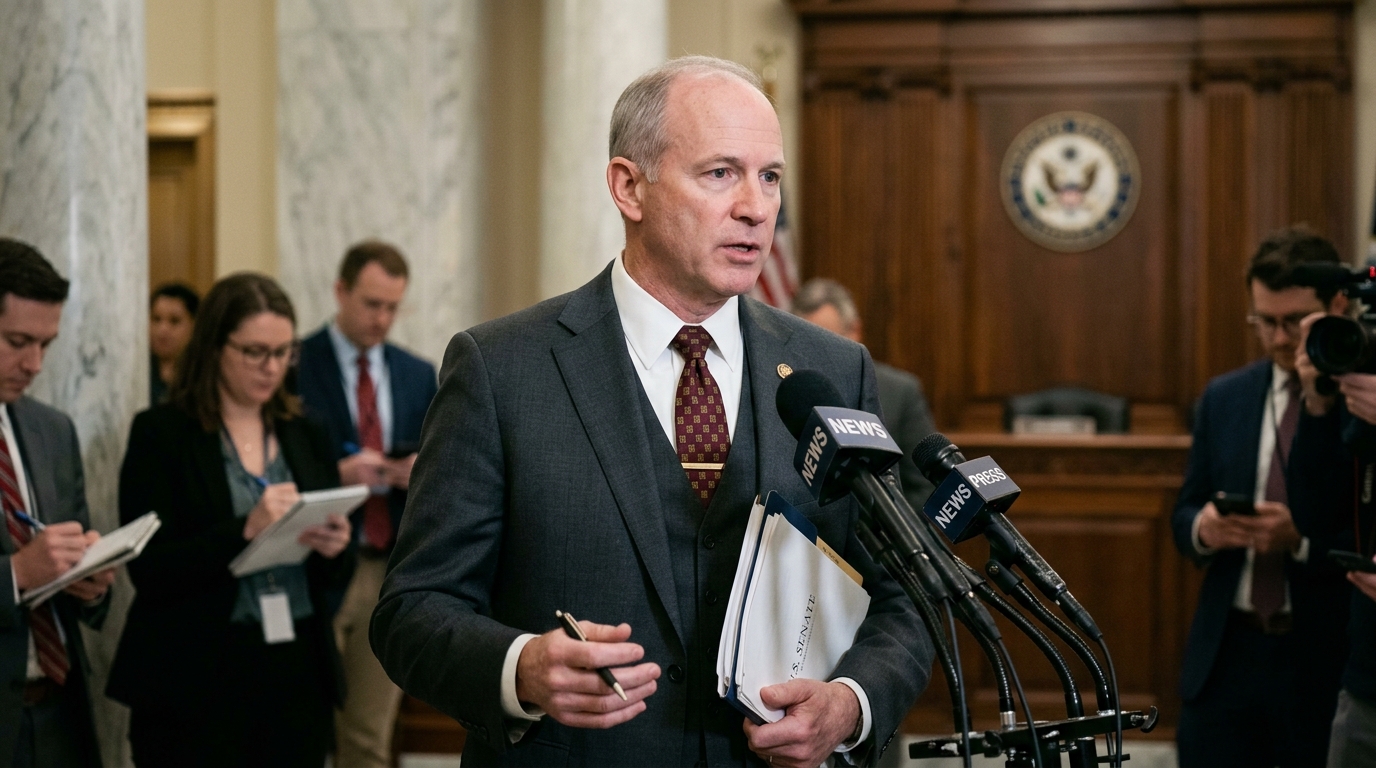
One of the most concerning phenomena is the speed at which AI barons have moved to influence decision-making centers in Washington and Brussels. Under the guise of "AI Safety," many dominant firms are lobbying for regulatory frameworks that, while appearing well-intentioned, actually raise barriers for open-source software and smaller competitors.
The threat of "regulatory capture" is palpable. If the rules for AI development become so complex and costly that only giants can comply, innovation will be stifled in the name of safety. Furthermore, the tightening bond between governments and AI barons raises questions about national sovereignty. When a nation bases its public administration or defense on models owned by a foreign private corporation, the line between corporate and state power becomes dangerously blurred.
Ethics, Bias, and the Control of Truth
Beyond economics and politics, the power of the AI barons extends into the realm of cognitive sovereignty. Large Language Models (LLMs) are not neutral tools; they reflect the values, biases, and political leanings of their creators and the data they were trained on. As information retrieval shifts from traditional search engines to AI assistants, the barons become the ultimate arbiters of truth.
- Homogenization of Thought: If we all use the same 3-4 models to write, think, and make decisions, cultural and intellectual diversity risks shrinking.
- Opacity: Algorithms remain "black boxes." The lack of transparency in how AI makes decisions means power is exercised without accountability.
- Labor Displacement: The automation pushed by the barons aims to maximize shareholder profit, often with little regard for social cohesion or the redistribution of the wealth generated by AI.
"Artificial intelligence is too important to be left solely in the hands of the companies developing it. The power they are accumulating is not just economic; it is ontological," argue industry analysts.
Towards a New Social Contract
Addressing this unprecedented concentration of power requires more than just traditional antitrust laws. It demands a radical rethinking of how we treat digital infrastructure. Promoting open-source development, creating public computational infrastructures (like the proposed National AI Research Resource in the US), and enforcing strict transparency regarding training data are essential steps.
The AI barons promise a world of abundance and solved problems. However, history teaches us that unchecked power, no matter how enlightened it claims to be, tends to serve itself. The challenge of the 21st century will be whether artificial intelligence becomes a common good that elevates humanity or a tool of absolute control in the hands of a Silicon Valley elite.