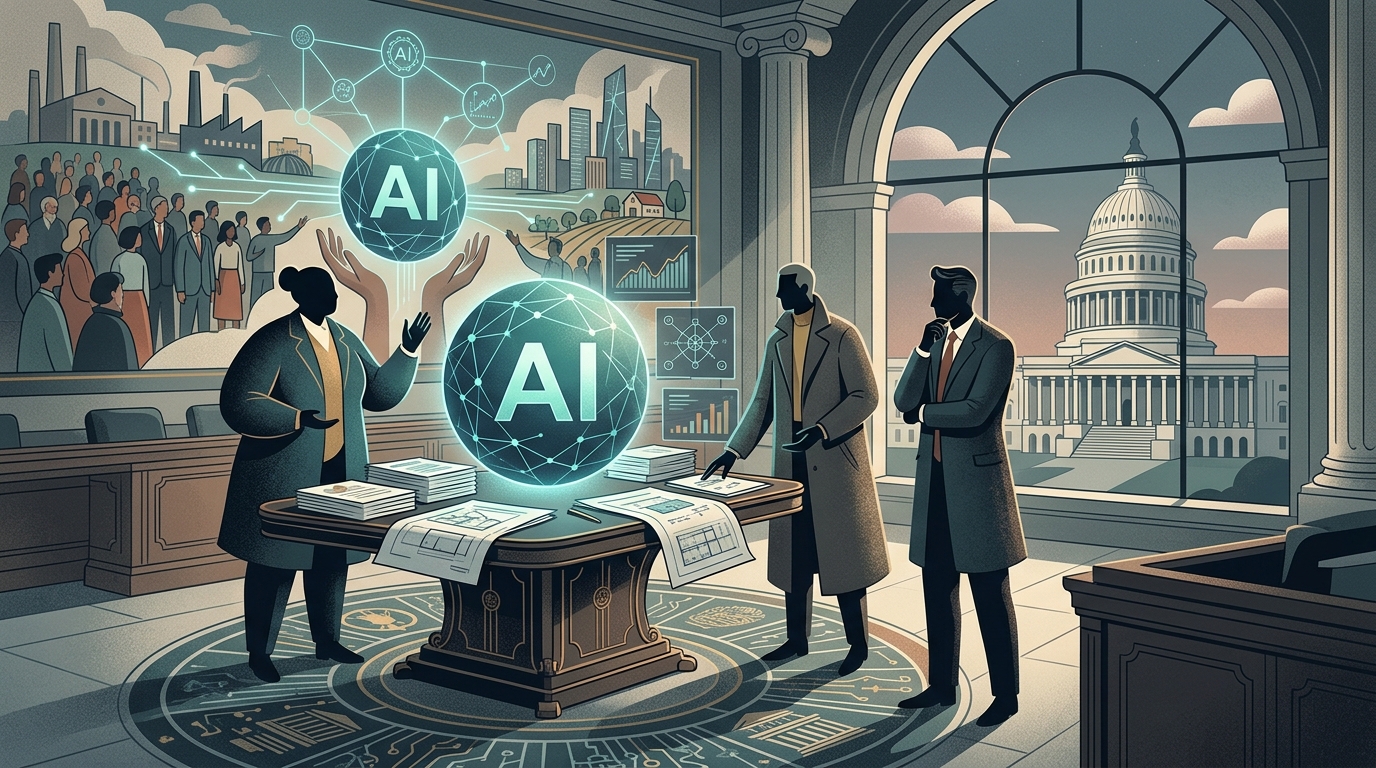
The scene is now common in classrooms worldwide: a student stares at a screen, a teacher tries to discern if the thought behind the words belongs to a human or a machine, and in the background, there is total institutional silence. According to a recent report by Education Week, the lack of clear guidance on the use of Artificial Intelligence (AI) has emerged as one of the most pressing problems in modern education, leaving educators to navigate unchartered waters without a compass.
The Policy Void and Classroom Isolation
Despite the explosion of generative AI tools since late 2022, official educational policy is moving at a snail's pace. Teachers report that while their schools encourage them to be "innovative," they are rarely provided with specific protocols on what constitutes plagiarism, how AI-assisted assignments should be graded, or where the ethical red lines lie. This vacuum is not merely a bureaucratic oversight; it is a source of immense stress. Educators are inadvertently being turned into "AI detectives," spending hours trying to verify the authenticity of student work, often without the proper tools or necessary training.
- 70% of teachers state that their district or state department has not issued clear, actionable guidelines.
- Confusion regarding student data privacy remains a primary barrier to adopting new AI tools.
- A growing disparity exists between well-funded districts creating their own frameworks and those left in the dark.
The Trap of Academic Integrity
The issue of academic integrity is at the heart of this crisis. Without a unified strategy, every teacher is forced to create their own rules. This leads to a chaotic reality for students, who might be allowed to use ChatGPT in History class but face disciplinary action for the same thing in English Literature. The lack of guidance undermines the foundational trust between teacher and student. When the educational process devolves into a game of "cat and mouse," meaningful learning takes a backseat. Furthermore, teachers fear that false accusations of AI use could irreparably damage students' futures, especially since AI detection tools are notoriously unreliable and prone to bias.
"We don't just need a list of prohibitions. We need a new pedagogical contract that recognizes AI is here to stay," says one veteran secondary school teacher.
Inequity and the New Digital Divide
The absence of central policy exacerbates existing social inequalities. Students from affluent backgrounds often have access to private tutoring or parents who can guide them on how to use AI productively and ethically. Conversely, students in underserved areas, where teachers are already overburdened, may face blanket bans that deprive them of the chance to develop critical skills for the future labor market. Educational leadership must understand that failing to make a decision is, in itself, a decision that favors the privileged. The "neutrality" of education departments on this matter acts as an accelerator of inequality.
Moving Toward a Solution: From Paralysis to Action
To bridge the gap, a holistic approach is required. First, teacher professional development must become a top priority. A one-off seminar is insufficient; what is needed is ongoing support and communities of practice. Second, policies must be flexible yet clear, focusing less on punishment and more on integration. AI can be used to personalize learning, support students with learning disabilities, and free teachers from administrative burdens. However, none of this can happen in an environment of fear and uncertainty. The time for accountability for policymakers has arrived. Technology is moving at light speed, and education cannot afford to be a mere spectator.