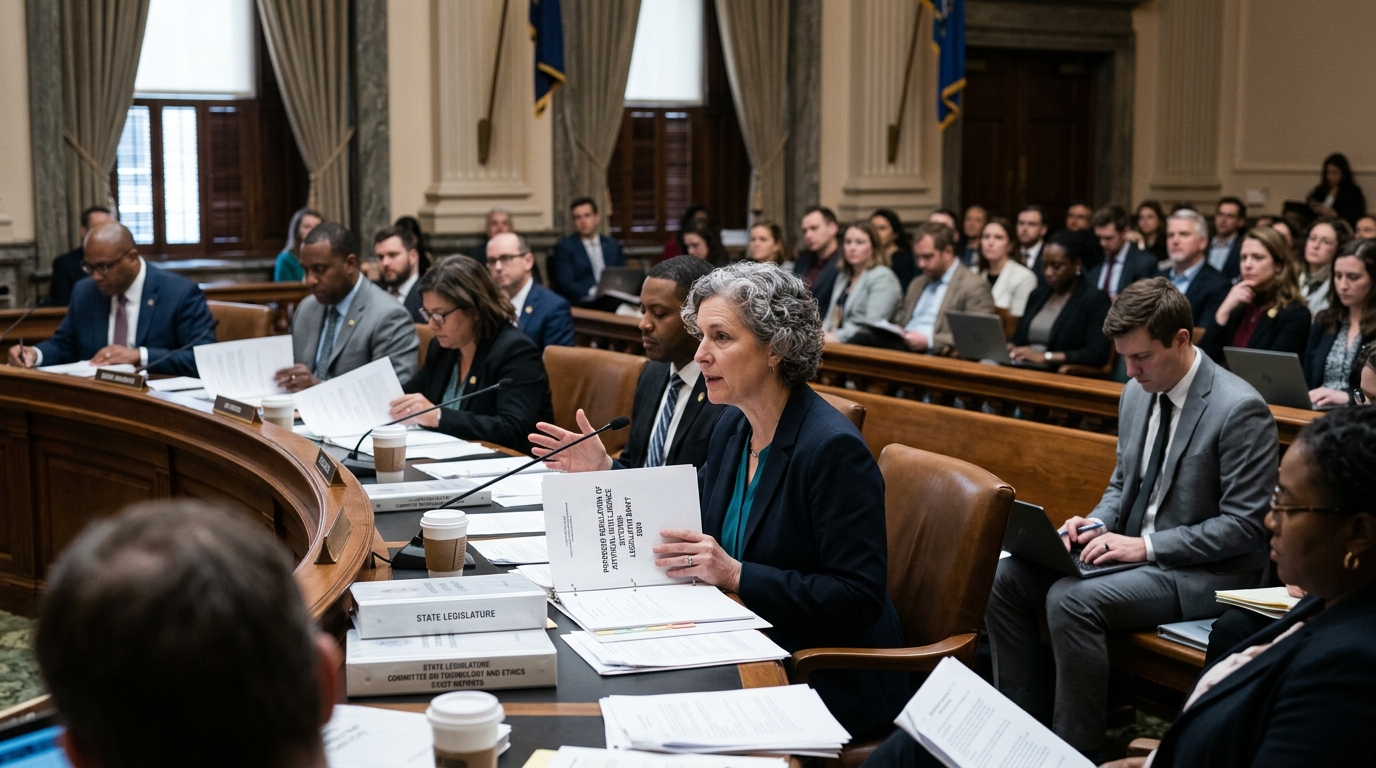
The history of technological regulation in the United States often follows a familiar pattern: the federal government remains paralyzed by partisan gridlock in Washington, while individual states transform into "laboratories of democracy," testing new laws that often become the de facto standard for the entire nation. Today, with Artificial Intelligence (AI) reshaping the economy and society at breakneck speed, this phenomenon is recurring with unprecedented intensity. From Illinois to California, lawmakers are no longer waiting for Congress to act; instead, they are constructing a legal firewall against the darker aspects of the algorithmic revolution.
The Battle Against Deepfakes and Disinformation
One of the most urgent priorities for state lawmakers is tackling deepfakes, especially as critical elections loom. The ability of Generative AI to create hyper-realistic videos and audio clips has sounded alarm bells across state houses. In Illinois, recent legislative activity focuses on criminalizing the creation of non-consensual AI-generated pornographic material, as well as protecting political figures from digital impersonation. These laws aim not only to punish perpetrators but also to hold platforms accountable for allowing the spread of such content without sufficient oversight.
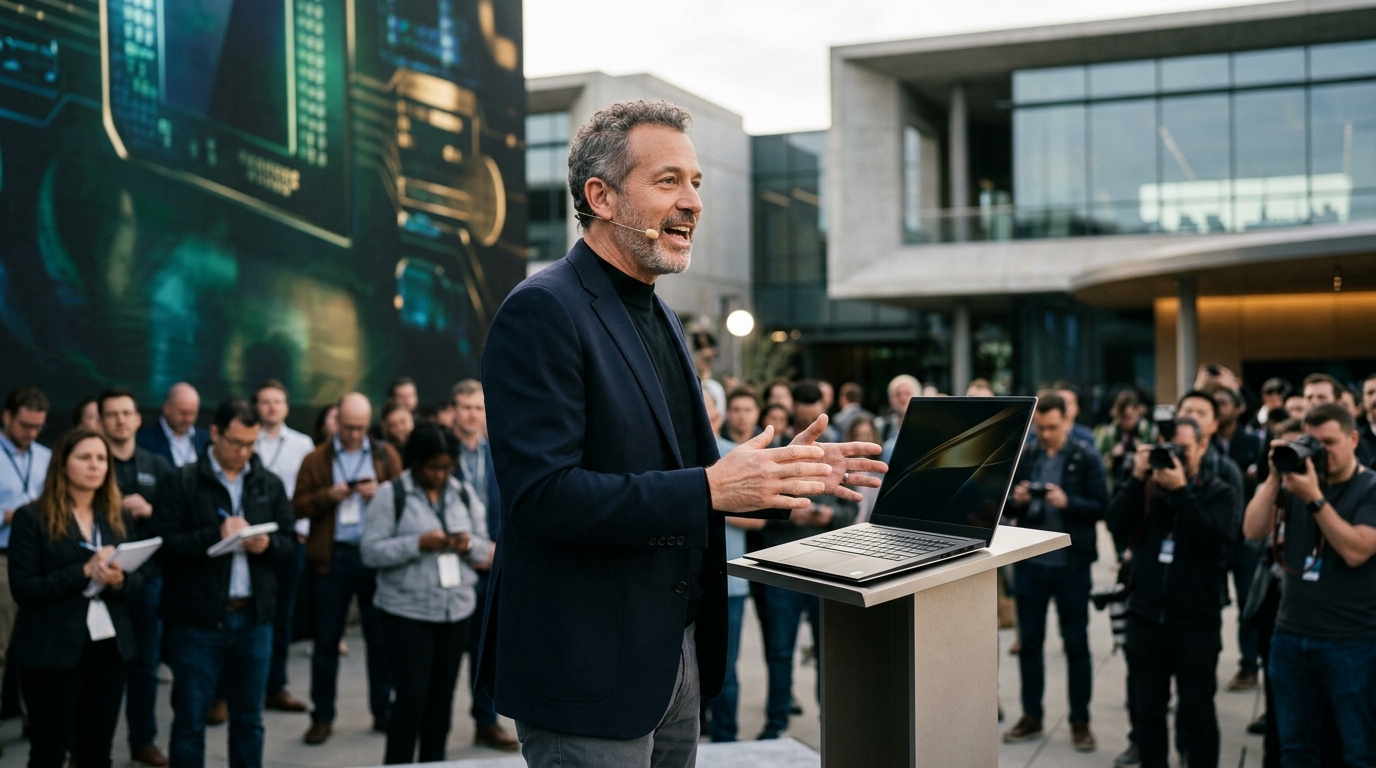
California, the heart of Silicon Valley, is also leading this charge. Lawmakers there have proposed stringent rules requiring tech companies to place "watermarks" on AI-generated content, allowing users to distinguish the synthetic from the real. This transparency is considered the "holy grail" of regulation, though technical challenges for its implementation remain vast, as malicious actors constantly find ways to bypass digital signals. The goal is clear: to ensure that in a world of digital mirrors, the truth remains identifiable.
Algorithmic Discrimination: The Invisible Wall
Beyond the flashy headlines of deepfakes, state lawmakers are focusing on something deeper and often invisible: algorithmic bias. AI is now widely used to make life-altering decisions—from who gets a loan or who is called for a job interview, to who receives critical medical care. The problem is that these algorithms often "inherit" the biases of the data they were trained on, leading to systemic exclusion of marginalized groups.
Colorado recently became the first state to pass a comprehensive law protecting consumers from AI discrimination. The law requires companies developing or using "high-risk" AI systems to conduct regular audits to ensure they do not introduce discrimination based on race, gender, or age. This is a radical paradigm shift, as it moves the burden of proof from the citizen to the corporation. In Illinois, the legacy of the Biometric Information Privacy Act (BIPA) serves as a foundation for extending protections to the data used to train AI models, creating one of the strictest privacy frameworks in the world.
The "Patchwork" Dilemma and Industry Pushback
This fragmented approach, however, is not without its critics. Big Tech companies, including Google, Microsoft, and OpenAI, warn that a "patchwork" of 50 different state laws will make their operations impossible and stifle innovation. Their argument is that small businesses will lack the resources to comply with such complex and varying regulations, leaving the field open only to tech giants who can afford armies of compliance lawyers.
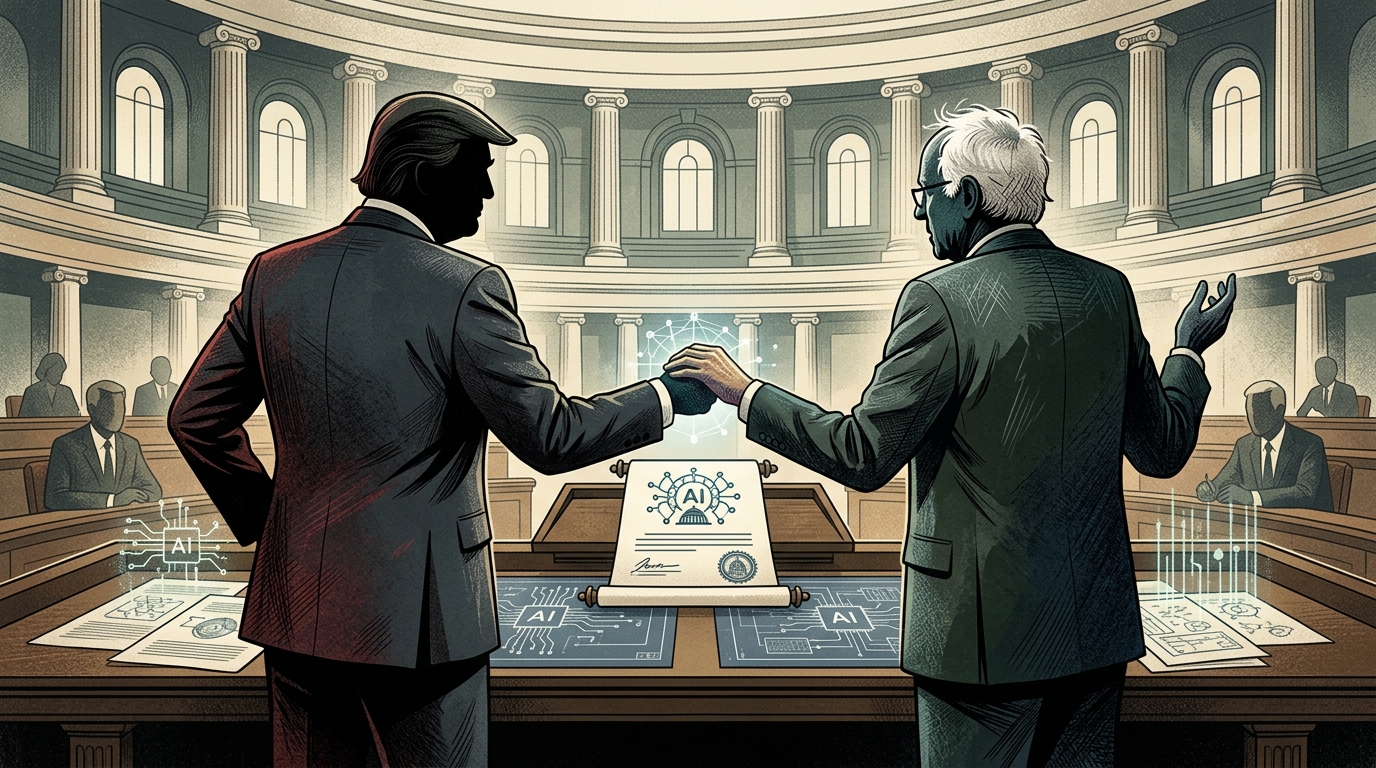
On the other hand, proponents of state-level regulation argue that federal inaction cannot be an excuse for the absence of citizen protection. They point out that historically, California’s strict emissions laws or data protection rules (CCPA) eventually forced the entire market to adapt to higher standards. The same is expected to happen with AI. As more states adopt similar rules, a de facto national policy will emerge, which Congress may eventually be forced to codify to provide the very uniformity the industry claims to want.
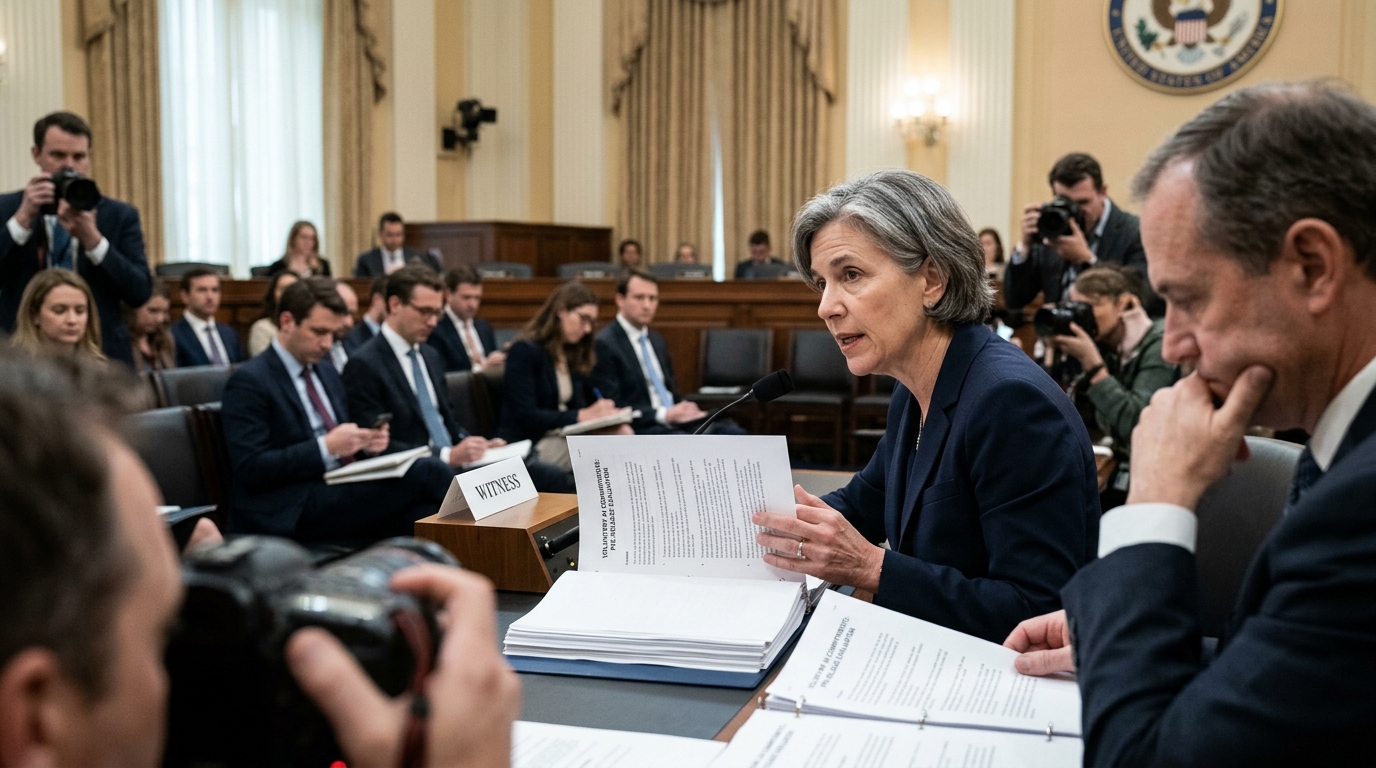
"We cannot wait for a perfect federal solution that may never come, while the risks to our privacy and democracy are present today," a Chicago-based lawmaker recently noted during a floor debate.
In conclusion, the battle for AI control in the US is now being fought in local capitals. The laws passed in Springfield, Sacramento, and Denver will determine whether Artificial Intelligence remains a "Wild West" or if it will be subjected to rules that protect human dignity and justice. For citizens, this movement is a hopeful signal that technology is not above the law, and that the democratic process can still exert influence over the most complex machines ever built.