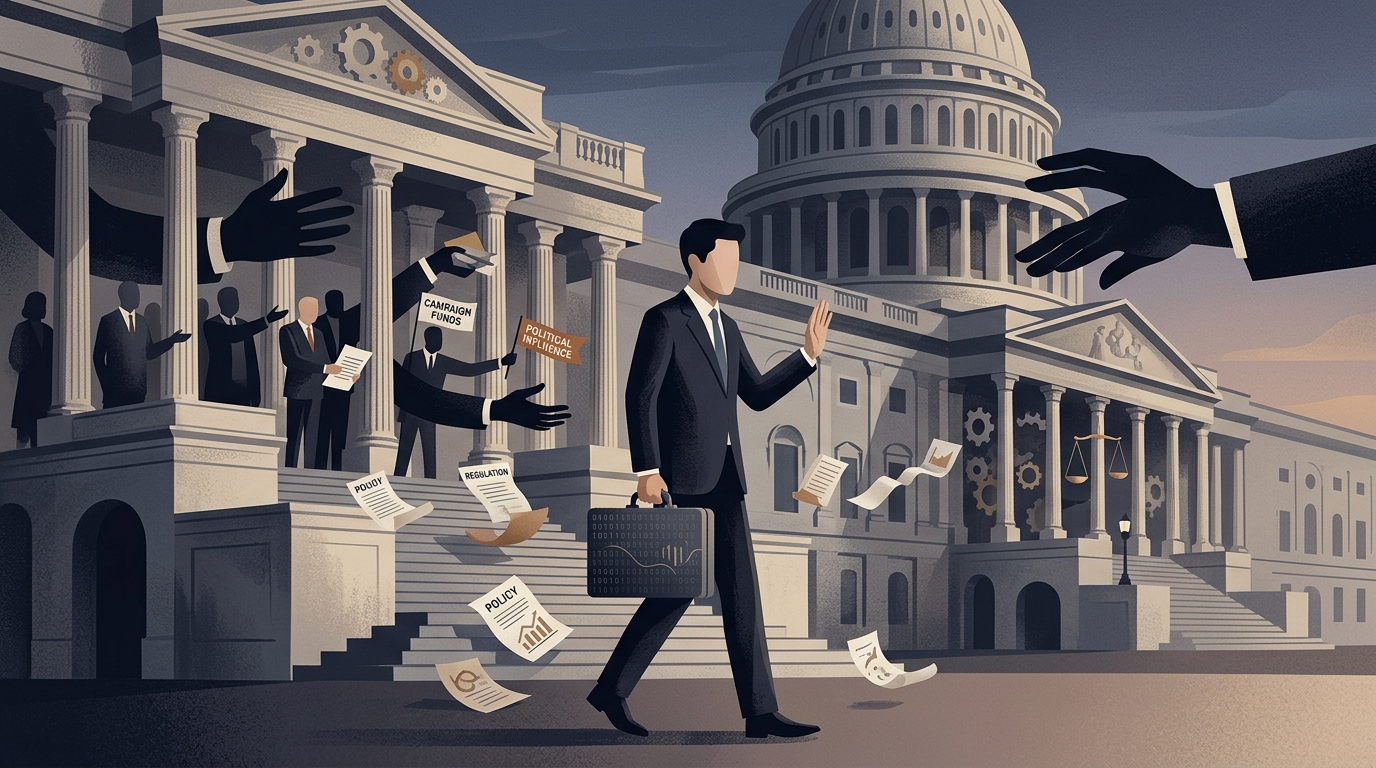
The history of money is at a critical turning point. As of May 5, 2026, the debate is no longer about whether money will become digital—that has already happened—but about who will control the protocol upon which global value moves. On one side, the European Central Bank (ECB) is pushing the Digital Euro as a tool for monetary sovereignty. On the other, private stablecoins, mostly pegged to the US dollar, are gaining ground as the de facto infrastructure of online commerce.
European Sluggishness and the Ghost of the Dollar
Europe, traditionally cautious and focused on regulatory frameworks, seems to be missing the speed train. While the MiCA (Markets in Crypto-Assets) regulation provided much-needed legal clarity, the implementation of the digital euro remains trapped in pilot programs and political consultations. The ECB insists that the digital euro will be a public good, protecting privacy and ensuring all citizens have access to central bank money. However, the market is not waiting.
Stablecoins like USDT and USDC are already deeply integrated into the decentralized finance (DeFi) ecosystem and international remittances. The fact that over 90% of stablecoins are pegged to the dollar represents an indirect but powerful extension of American monetary might. For Europe, this is not just a technical issue, but an existential threat to its strategic autonomy.
Privacy vs. State Control
One of the biggest hurdles to the adoption of the digital euro is citizen suspicion regarding data protection. Although Christine Lagarde has repeatedly stated that the ECB does not wish to monitor citizens' purchases, the technical capability for programmable money causes concern. Conversely, stablecoins, despite being issued by private companies, offer a sense (sometimes false) of freedom from state surveillance.
"The digital euro must convince the user not only of its security but also of its necessity in a world that already uses digital wallets with ease," note analysts in Frankfurt.
The challenge for the ECB is to create an infrastructure that is as user-friendly as Big Tech apps while maintaining the guarantees of a central bank. If the digital euro ends up being just a "clunky" banking app, consumers will continue to prefer private solutions.
The Role of Commercial Banks
Europe's commercial banks are in an awkward position. On one hand, they fear that the digital euro will lead to disintermediation, with citizens moving their deposits from banks directly to the ECB during times of crisis. On the other, they see stablecoins as a threat to their transaction fee revenue. The proposed solution is a cap on digital euro holdings (e.g., 3,000 euros per citizen), but this might limit the currency's utility for large transactions.
- Strategic Autonomy: The EU's need to avoid dependence on US payment systems (Visa/Mastercard).
- Financial Stability: The risk of "bank runs" toward the digital euro.
- Innovation: The ability of stablecoins to operate with smart contracts.
Conclusion: A Hybrid World
The most likely scenario for 2027 and beyond is not the total dominance of one type of money, but coexistence. The digital euro will serve as the secure base for daily retail transactions within the Eurozone, while stablecoins will dominate international capital markets and cutting-edge technological applications. The question remains: will Europe be able to impose its own rules on this new digital frontier, or will it remain a mere consumer of American technology?