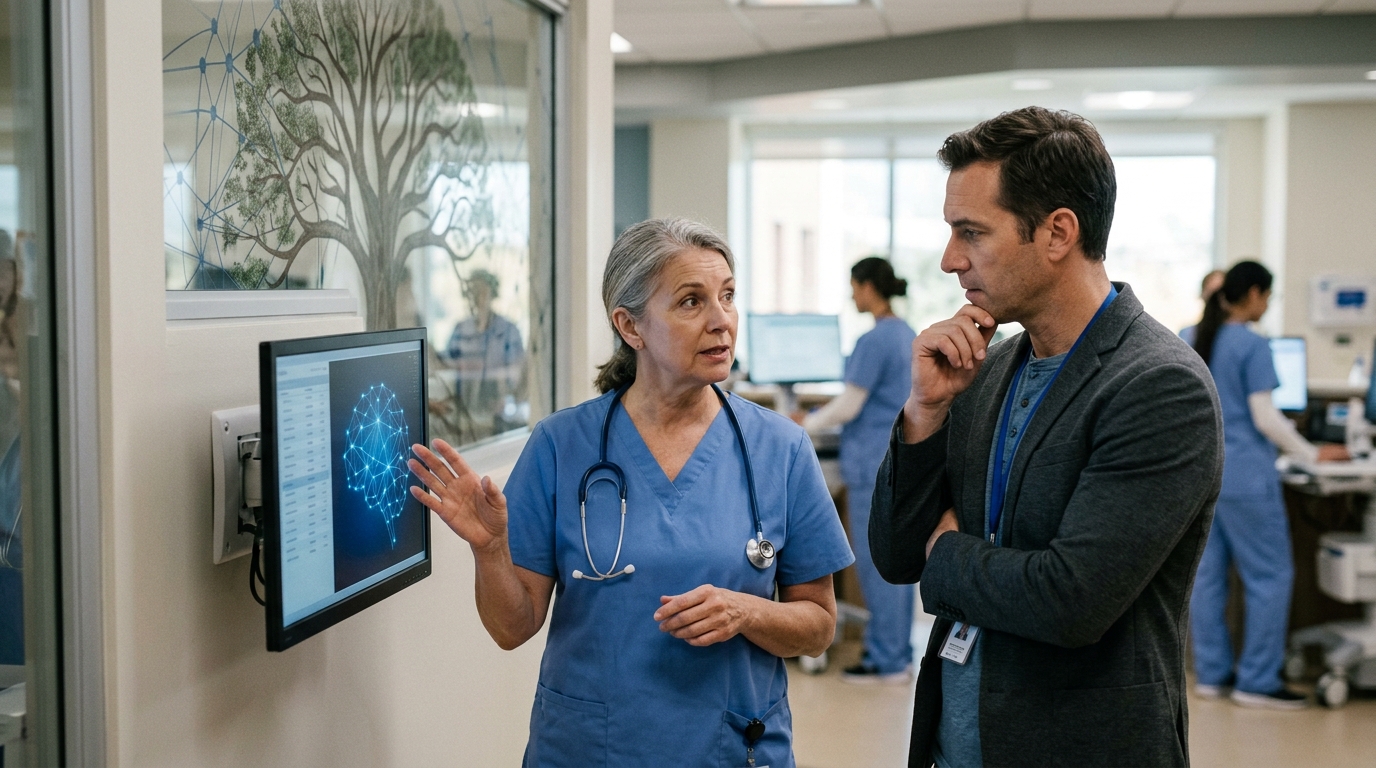
In an era where digital healthcare is transforming at an unprecedented pace, Florida State University (FSU) College of Nursing has announced a landmark partnership with the Coalition for Health AI (CHAI). This collaboration marks the launch of the nation’s first micro-credential series focused exclusively on the responsible use of Artificial Intelligence (AI) for nursing professionals. This move is not merely an educational upgrade; it is a strategic response to the ethical and operational challenges posed by automation at the patient’s bedside.
Nursing at the Crossroads of Technology
Nursing is the backbone of the healthcare system, and nurses are often the frontline interactors with AI-driven decision-making tools. However, education regarding how these algorithms function, where they might fail, and how to maintain human oversight has remained fragmented until now. FSU’s new initiative aims to bridge this gap, providing healthcare professionals with the tools to critically evaluate the technology they employ daily.
The partnership with CHAI is particularly significant. CHAI serves as an umbrella organization comprising tech giants, academic institutions, and government bodies, aimed at establishing standards for the reliability and safety of AI in healthcare. By integrating these principles into the nursing curriculum, FSU ensures that the next generation of nurses will not just be software users, but guardians of patient safety.
Structure and Goals of the Micro-credentials
The program consists of a series of modules covering critical issues such as algorithmic bias mitigation, data transparency, and accountability. A central theme is understanding the AI "black box." Often, algorithms suggest diagnoses or treatment plans without clarity on how they arrived at those conclusions. Nurses completing the FSU series will be trained to recognize when an AI recommendation might be based on incomplete or biased data, thereby protecting vulnerable populations.
- Bias Recognition: Training in identifying biases related to race, gender, or socioeconomic status in health data.
- Clinical Integration: Practical guidance on how AI can improve workflow without replacing clinical judgment.
- Ethical Decision-Making: Frameworks for handling dilemmas that arise when human intuition conflicts with algorithmic prediction.
The importance of these skills is immeasurable, as AI is already being used for sepsis prediction, pain management, and discharge planning. Without proper training, there is a risk of "automation bias," where professionals blindly trust the system, neglecting their own clinical observations.
Addressing Burnout Through Technology
Beyond the ethical dimension, this initiative touches on the burning issue of professional burnout. The nursing sector globally is facing massive staffing shortages. AI, if used correctly, can take over the burden of administrative tasks and documentation, allowing nurses to return to the patient's side. The FSU program teaches how technology can become an ally in reducing workload, provided that control remains in human hands.
"Nursing is both an art and a science rooted in human connection. Artificial Intelligence must enhance this connection, not hinder it," state FSU officials.
This move is expected to serve as a template for other universities worldwide. As regulatory bodies like the FDA and the European Medicines Agency tighten the framework for Software as a Medical Device (SaMD), the need for certified users becomes imperative. FSU and CHAI are not just offering knowledge; they are building the infrastructure for a future where technology and care coexist harmoniously.
Conclusions and Future Outlook
The launch of these micro-credentials signals a shift toward "algorithmic literacy" in healthcare. It is no longer enough to know how to operate a machine; one must understand the logic behind it. FSU’s initiative places Florida at the heart of innovation, proving that ethics and technology can move forward hand-in-hand. For nurses, this means a new era of empowerment, where technology does not threaten them but equips them to provide even better health services in a rapidly changing world.