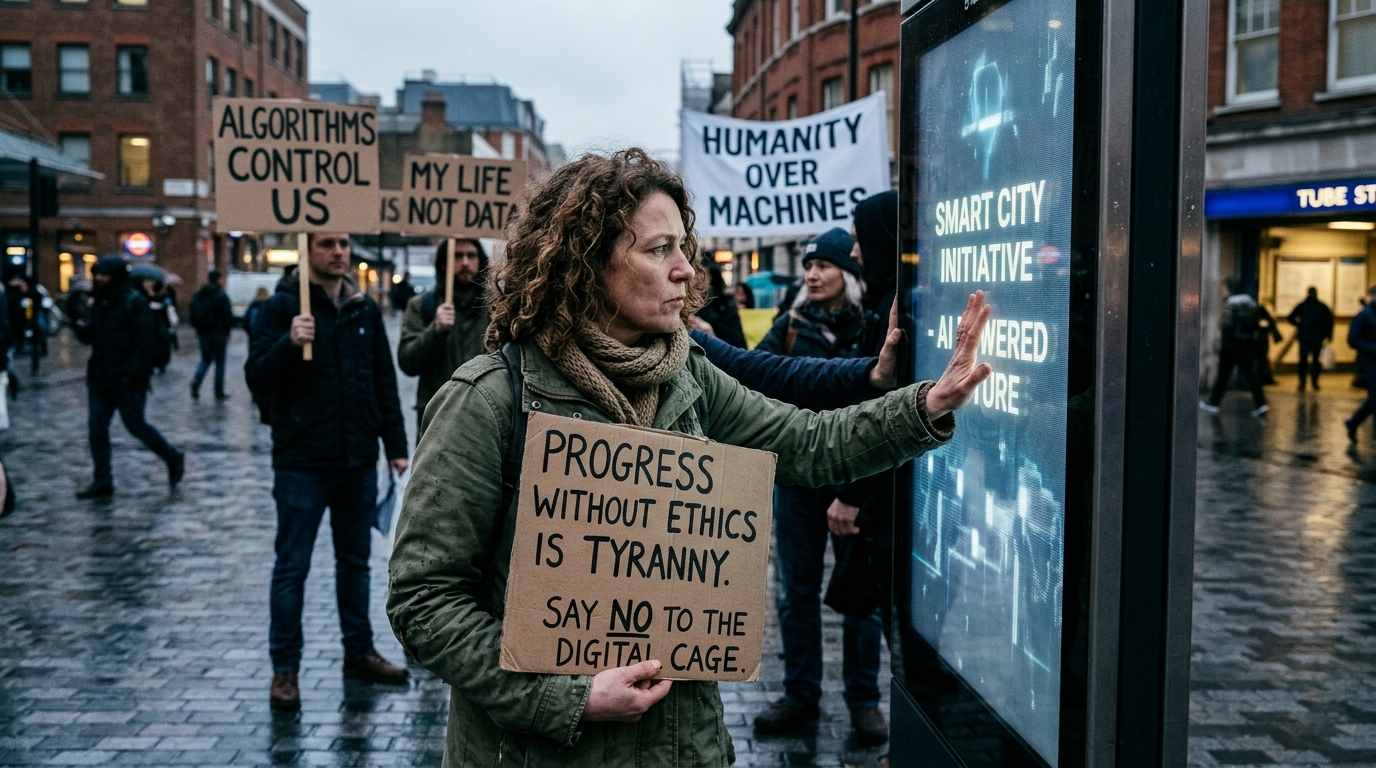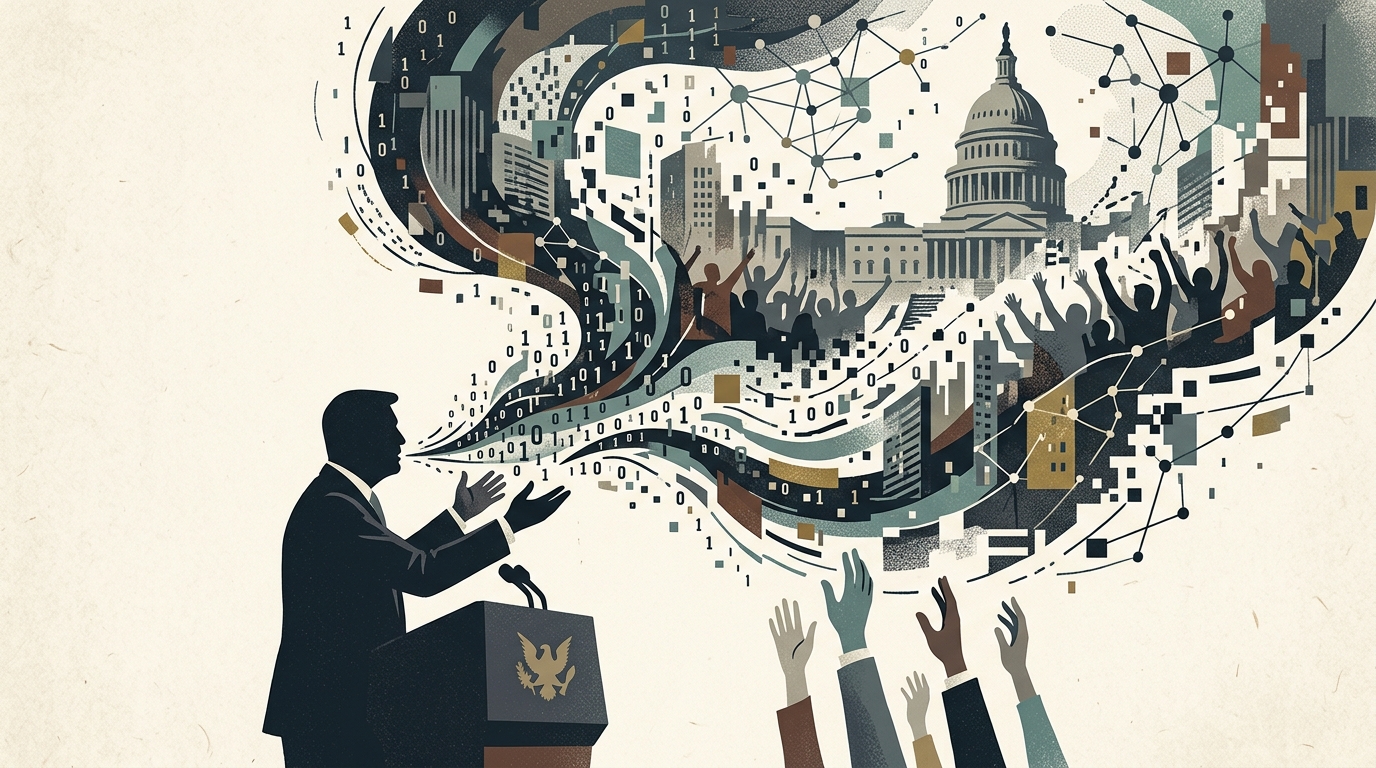
In an era where digital creation is becoming the norm rather than the exception, a recent incident highlighted by AlfaVita has sparked intense debate within academic circles. A university professor, in a move that could be described as a "post-modern provocation," published an article denouncing the dangers and alienation brought about by Artificial Intelligence (AI). The twist? The text itself was composed by a Large Language Model (LLM).
The Trap of Mimicry and Academic Authenticity
The professor's experiment was not a simple attempt at deception, but a profound critique of AI's ability to mimic human speech so convincingly that it can even turn against its own existence. The article, initially read as a passionate plea for the protection of human thought and the educational process, contained all the structural elements of high-level academic writing: complex syntax, rich vocabulary, and a seemingly moral argument. The revelation that the text was an algorithmic product acted as a cold shower for the academic community, raising questions about whether we are still capable of discerning the "spirit" behind the words.
Artificial Intelligence as a "Mirror"
This incident highlights a paradoxical reality: AI has reached a level of maturity where it can reproduce critical thinking without possessing it. When the professor asked the model to write a piece against AI, the system drew data from thousands of existing critiques, philosophical essays, and opinion pieces, synthesizing a "perfect" denunciation. This suggests that AI is not just a content production tool, but a mirror of our own anxieties. However, it is a mirror without a conscience. The fact that a machine can convince humans that it "aches" for the loss of human contact in education is perhaps the most disturbing aspect of modern technological evolution.
The Challenge for Education in 2026
As we move through 2026, universities worldwide find themselves in a constant state of defense. The use of AI by students to write essays is now commonplace, and detection tools (AI detectors) often fail or yield false positives. The professor's move underscores that the crisis affects not only students but the educational structure itself. If a professor can "produce" academic discourse via AI, then what is the value of credentials and authority? The need for a new "digital ethics" is more urgent than ever. We must redefine what it means to "write" and "think." Perhaps the solution lies not in prohibition, but in a return to orality and direct, face-to-face interaction, where the machine cannot (yet) penetrate.
Conclusions and Perspectives
The case highlighted by AlfaVita is not just a curious piece of news. It is a warning. Artificial Intelligence has the ability to absorb human culture and return it to us in a pre-packaged, ready-to-consume form. If we are not careful, we risk being trapped in an endless feedback loop, where humans read machine-generated texts denouncing machines, without anyone actually producing original thought. Authenticity in the age of AI is no longer a given; it is an act of resistance.