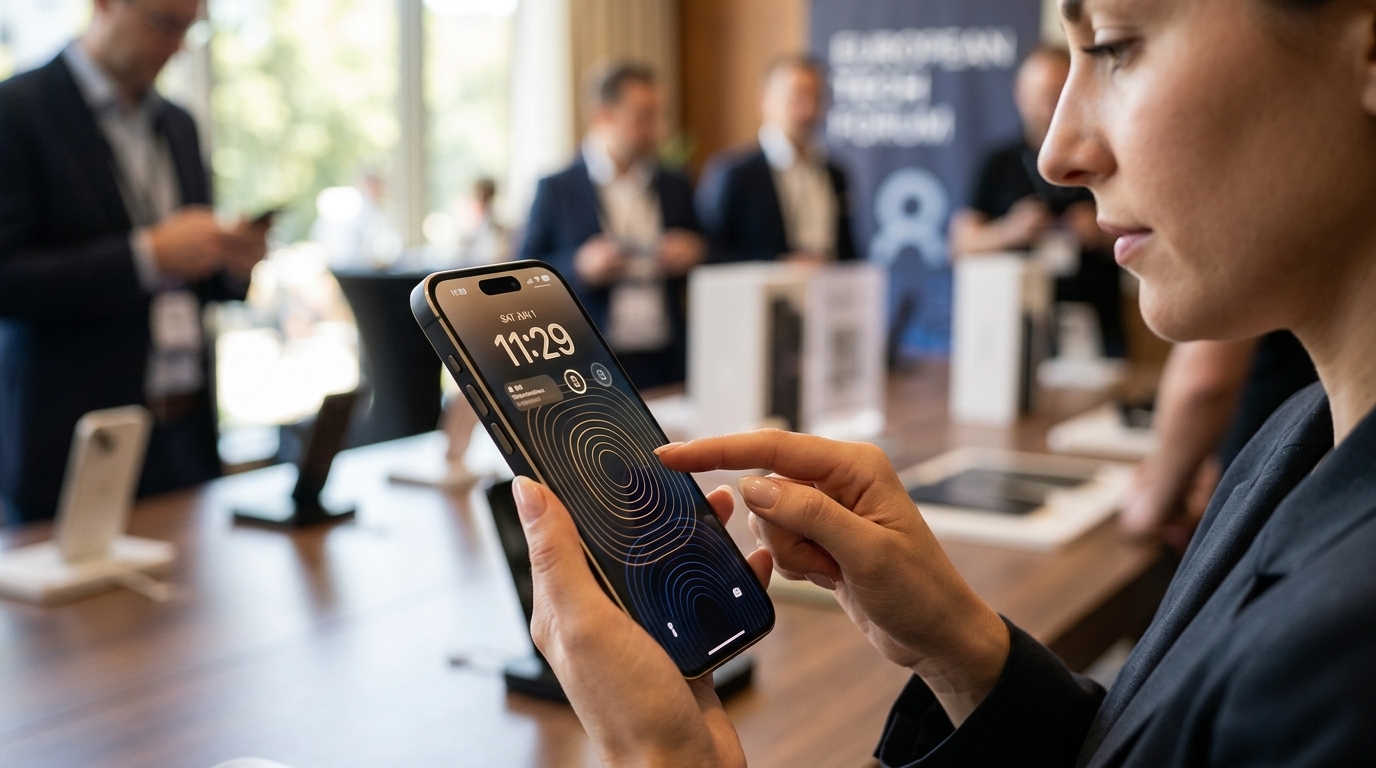
June 1st, 2026, marks a historic turning point in the evolution of mobile telephony and digital rights within the European Union. After years of intense deliberation, legal battles, and technical preparations, the new interoperability framework mandated by the Digital Markets Act (DMA) is entering full effect. This development promises to dismantle the "walled gardens" that Apple and Google have methodically constructed over the past two decades.
The End of Digital Lock-in
Until today, a user's decision to switch operating systems—for instance, from iOS to Android or vice versa—was accompanied by a significant "switching cost." This cost was not merely financial but primarily functional and emotional. The loss of chat history in messaging apps, the difficulty of transferring purchased apps, the incompatibility of backups, and the fragmentation of photo libraries acted as powerful deterrents. The EU, recognizing that this "lock-in effect" stifles competition, has mandated that tech giants develop tools that make data transfer simple, immediate, and comprehensive.
Starting June 1st, manufacturers are required to provide "one-click" solutions for transferring not just contacts and photos, but also device settings, call logs, and, most importantly, data from third-party applications, provided the latter comply with the new standards. This means that moving from an iPhone to a Samsung or a Google Pixel will no longer require hours of manual configuration or the use of dubious third-party software.
Technical Challenges and Security Concerns
Implementing this change was no small feat. Apple, in particular, had put up stiff resistance, citing security reasons and the protection of user privacy. The company argued that opening up the sealed environment of iOS could expose users to malware or degrade data encryption. However, the European Commission countered that security should not be used as a pretext to hinder fair competition.
The new protocols activating in June are based on common data transfer standards that ensure information remains encrypted during transit. Furthermore, users will now have the ability to select exactly which data they wish to move, maintaining full control over their digital identity. Interoperability also extends to messaging services, with iMessage and WhatsApp being required to allow basic communication with other platforms, reducing the social pressure on users to remain within a specific ecosystem.
Market Impact and Consumer Benefits
What will be the result of this regulation on the real economy? Analysts predict an increase in consumer mobility, which in turn will pressure manufacturers to innovate more at the hardware and pricing levels. When data transfer is no longer a barrier, consumers choose devices based on camera quality, battery life, or price, rather than where their memories are stored.
- Freedom of Choice: Users are no longer "hostages" to their previous purchases.
- Boosted Competition: Smaller Android manufacturers can attract iOS users more easily.
- Data Transparency: Companies are forced to clearly explain what data they collect and how it is transferred.
In conclusion, the changes of June 1st represent a victory for European regulators over the dominance of Big Tech. While companies may attempt to introduce new "artificial barriers" in the future, the foundation for a truly open digital market has been laid. For the average user, this means that their next smartphone can be chosen with genuine free will.