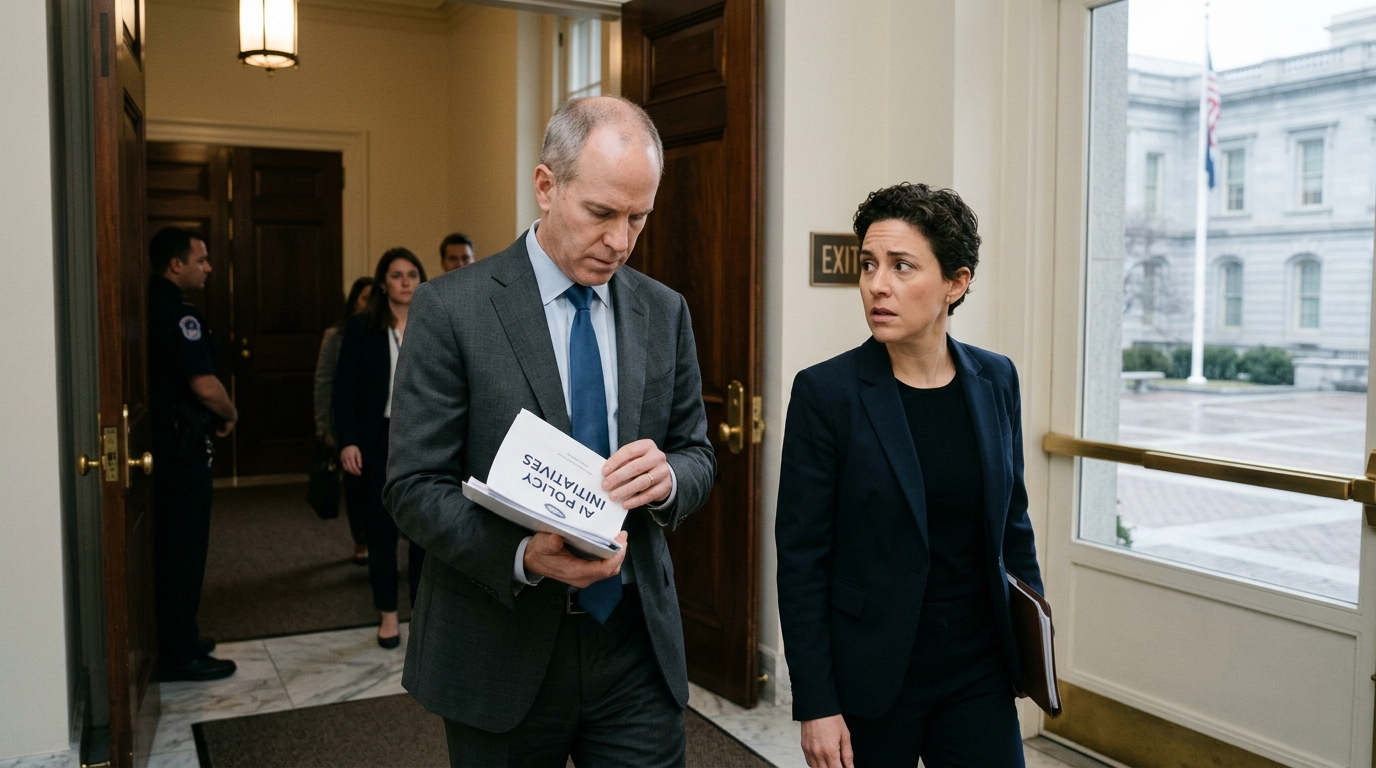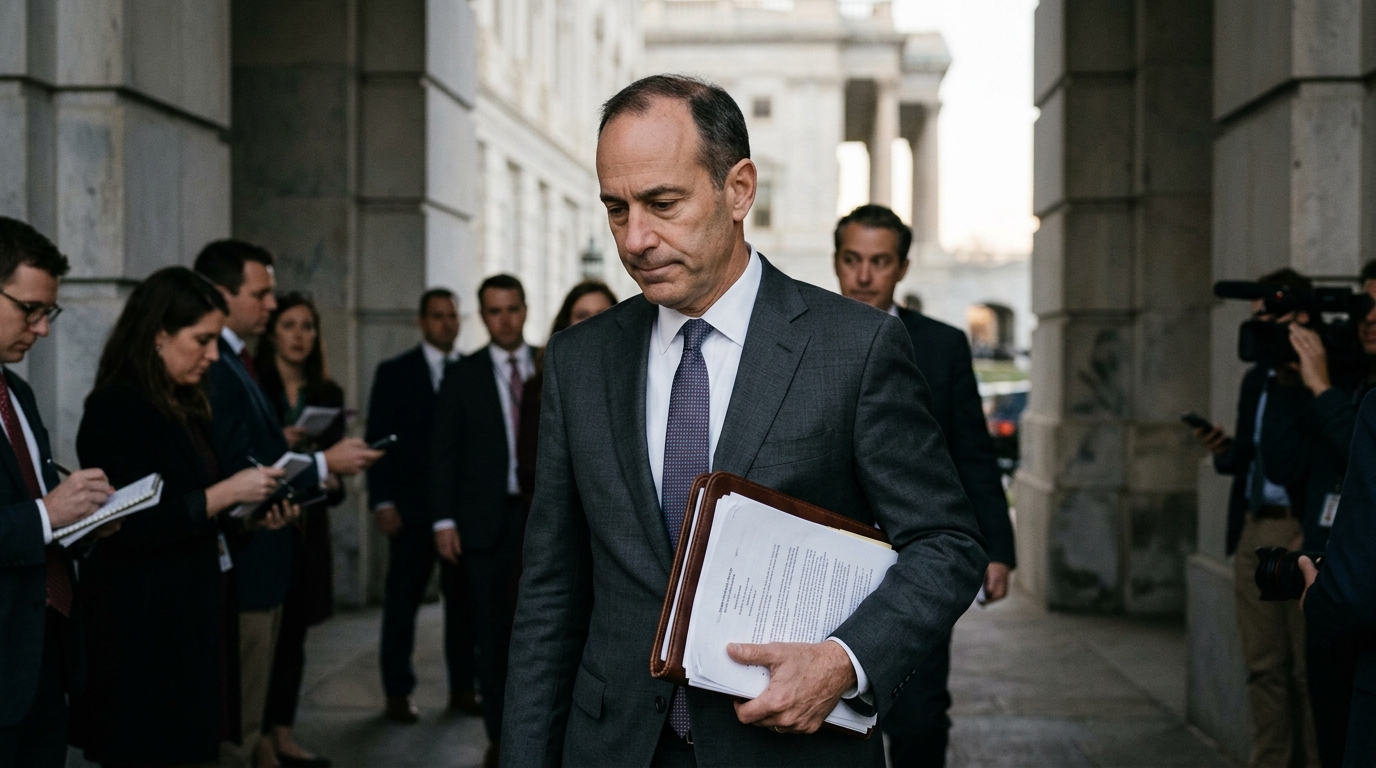
Approaching nearly seven years at the helm of the country, the New Democracy government finds itself at a critical crossroads. The initial promise of "multidimensional modernization" seems to be hitting a wall of perennial dysfunctions that refuse to yield. While the Greece of 2026 bears little resemblance to the country during the crisis, the sense that major reforms are lagging remains pervasive throughout society and the market.
The Digital Facade and the Deep State
There is no doubt that the digital state is the crowning achievement of the last seven years. The simplification of procedures via gov.gr has transformed the daily lives of millions. However, the increasingly vocal criticism suggests that digitalization has often served as a "digital cloak" over an analog bureaucracy. Processes have become faster on the surface, but the core administrative structure remains sluggish and resistant to change.
Public administration reform, evaluation, and the linking of pay to performance remain battlegrounds. Despite legislative initiatives, practical implementation faces resistance from labor unions and an inherent reluctance within the political system to clash with its electoral base in the public sector. This delay is not merely technical; it is profoundly political. The challenge lies in moving beyond the app and into the heart of the state apparatus.
Justice and Health: The Open Wounds
If there is one area where the "seven-year delay" is most evident, it is the Judiciary. The speed of justice delivery remains among the lowest in Europe, acting as a brake not only on individual rights but also on economic growth. Investors continue to rank slow justice as one of the primary deterrents to deploying capital in Greece. Despite new judicial maps and the introduction of technology, the time required for final rulings remains disappointing and out of sync with international standards.
In the Health sector, the National Health System (ESY) exists in a state of perpetual "reconstruction" that never seems to conclude. Staffing shortages, low physician salaries leading to a continuous brain drain, and dilapidated infrastructure in many provincial areas paint a picture inconsistent with the expectations of a European nation in 2026. While the government cites Recovery Fund resources, the absorption of funds does not always translate into a tangible improvement in the services provided to the patient.
The Economy of Everyday Life and Reform Fatigue
Greece's macroeconomic outlook is undeniably positive. Regaining investment grade status and maintaining growth rates above the European average are strong assets. However, the "economy of everyday life" presents a different reality. High prices, housing costs, and stagnant real wages create a volatile mix of public discontent.
Reform fatigue is now visible. After seven years, the argument of "inheriting chaos" has lost its momentum. Citizens demand results in the present. The government is called upon to prove it possesses the political capital and will to engage in conflicts with organized interests that hinder competition and keep prices high. The delay in taking bold measures to crack down on oligopolies and bolster purchasing power represents the greatest risk to governmental stability.
"Politics is not judged by intentions, but by the time it takes for intentions to become reality. Seven years is sufficient time to determine whether a delay is a coincidence or a structural weakness."
Conclusion: The Final Two-Year Bet
With the next elections looming on the horizon, the government no longer has the luxury of waiting. The utilization of Recovery Fund resources must be paired with deep institutional changes that go beyond communication management. Greece needs a functioning Judiciary, a Health system that protects, and an economy that distributes wealth across all social strata. The "seven-year delay" can only be cured by a leap forward, abandoning the hesitations that characterized the recent past.