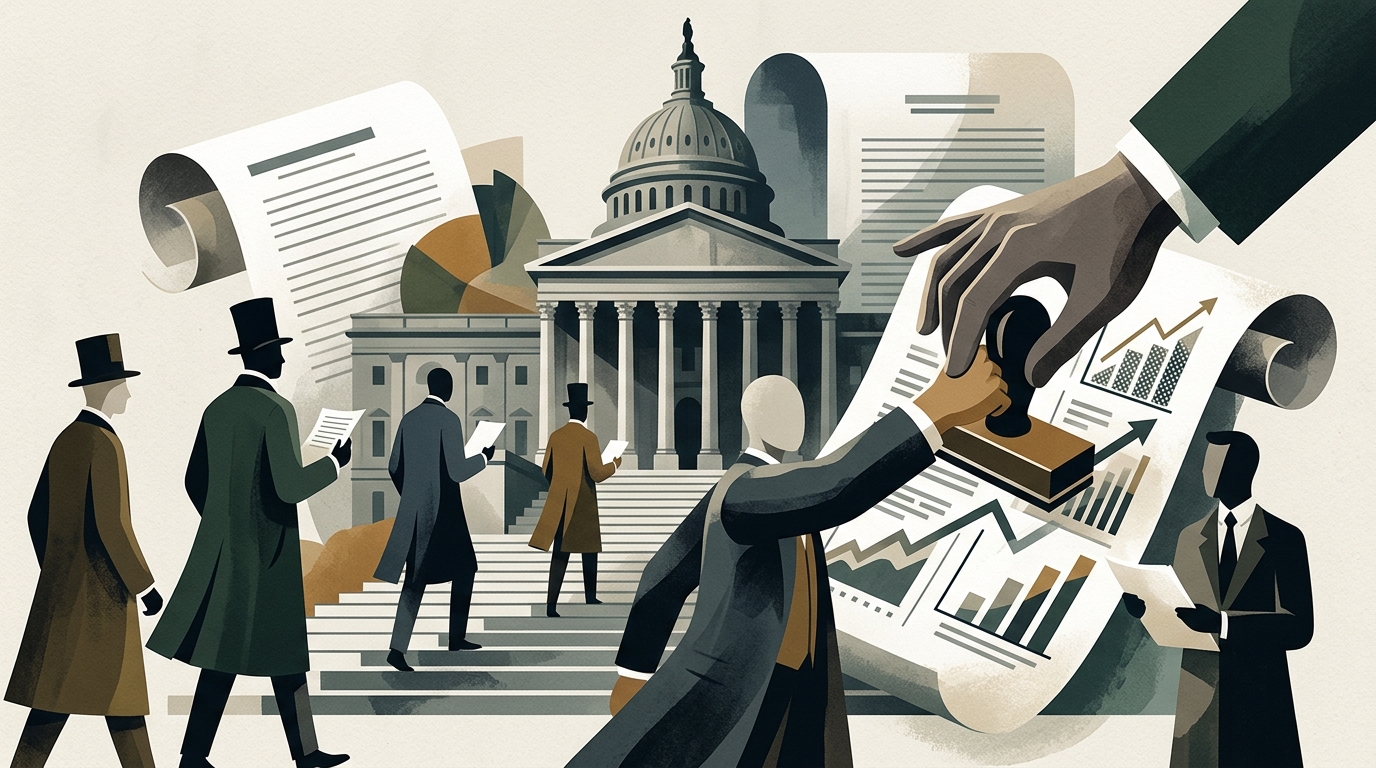
In a move that has sent ripples through Wall Street, SEC Chair Paul Atkins has decided to put a hold on a new wave of exchange-traded funds (ETFs) focused on prediction markets. This decision, announced amid a period of heightened political and economic volatility, marks a significant pivot in the regulator's approach toward financial products that allow investors to wager on non-traditional events, such as election outcomes and macroeconomic data releases.
The Collision of Prediction Markets and Regulation
Prediction markets, exemplified by platforms like Polymarket and Kalshi, have seen explosive growth over the past two years. Their ability to harness the 'wisdom of crowds' to forecast outcomes has piqued the interest of not only retail users but also institutional investors seeking new hedging tools. However, the attempt to wrap these bets into structured financial products like ETFs is hitting a regulatory wall.
Paul Atkins, who took the helm of the SEC with a reputation as a free-market advocate, appears to be taking a more cautious stance on this specific issue. According to Bloomberg Intelligence analysts, the SEC is concerned about market manipulation, particularly regarding political events. The core anxiety lies in whether an ETF based on election results could influence the election itself or provide incentives for the spread of disinformation for financial gain.
SEC vs. CFTC: A Jurisdictional Tug-of-War
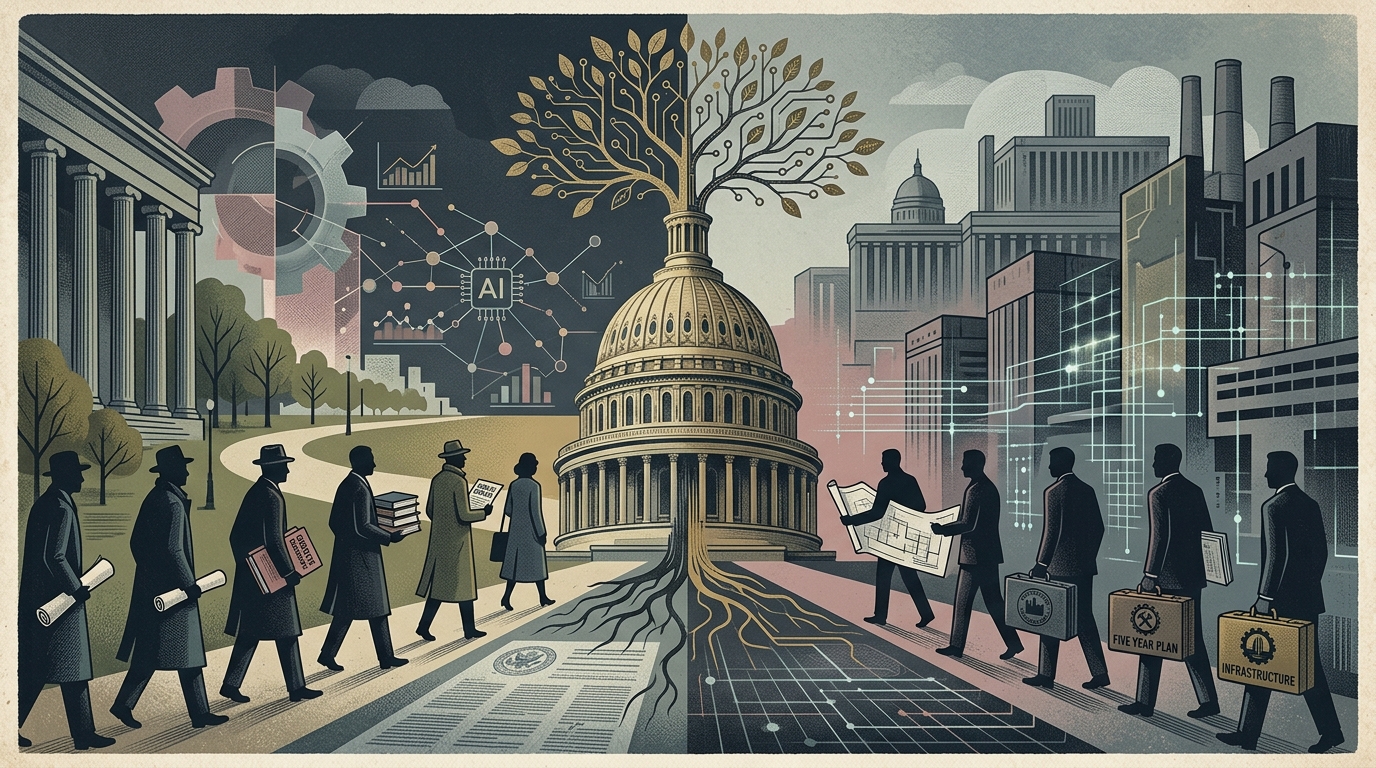
A central issue complicating the landscape is the jurisdictional overlap between the SEC and the Commodity Futures Trading Commission (CFTC). While the CFTC has traditionally overseen prediction markets as a form of derivative contracts, the push to create ETFs brings these products under the SEC’s umbrella. This 'gray zone' creates a legal labyrinth for asset managers looking to introduce innovative products.
Proponents of these funds argue that banning or delaying them simply pushes American investors toward unregulated, offshore platforms. Furthermore, they claim that prediction markets are often more accurate than traditional polling, providing valuable data to the economy. Conversely, critics—including some members of Congress—warn of the 'gamblification' of the American economy, where investment ceases to be about value creation and turns into a zero-sum bet.
Implications for Investors and the Industry's Future
Atkins’ decision to 'pump the brakes' does not necessarily mean the end for these products, but it certainly extends the waiting period. For ETF issuers like Bitwise and 21Shares, this delay translates to lost time and increased compliance costs. Moreover, this uncertainty affects the broader crypto market, as many of these prediction platforms rely on blockchain technology.
On a deeper level, the SEC's stance reflects a broader debate about the role of capital markets in the 21st century. Should markets be a mirror for every possible human activity, or should they be restricted to productive assets? Atkins' response seems to lean toward maintaining market integrity over rapid innovation, at least until clear investor protection rules are established.
- The SEC fears political event manipulation through financial wagering.
- Jurisdictional conflict with the CFTC remains the primary legal hurdle.
- Institutional investors seek legal avenues for 'event-driven' returns.
- Blockchain technology continues to power the infrastructure of prediction markets.
As we approach the 2026 midterm elections, pressure on the SEC is expected to mount. The need for transparency and the drive for profit will continue to collide, with Paul Atkins at the center of a decision that will define the future of financial engineering in the United States.