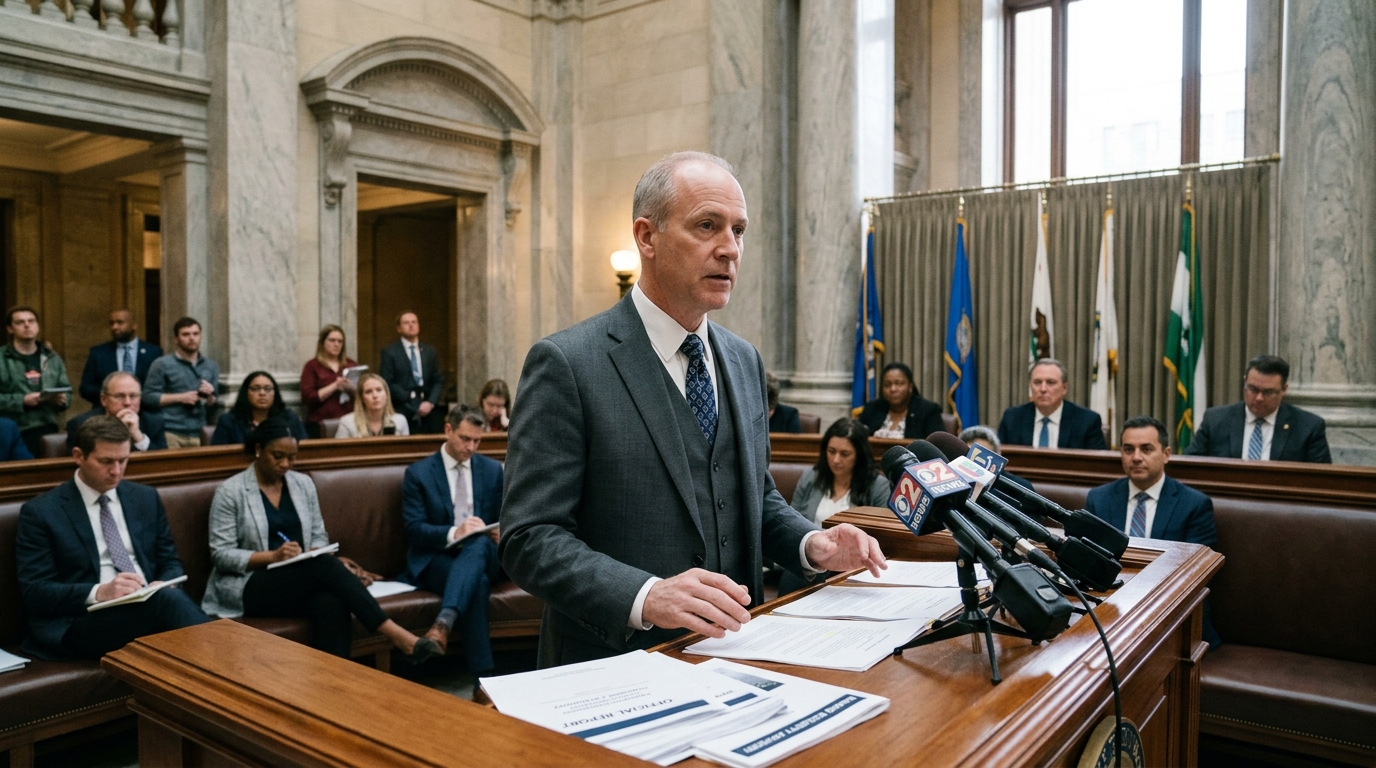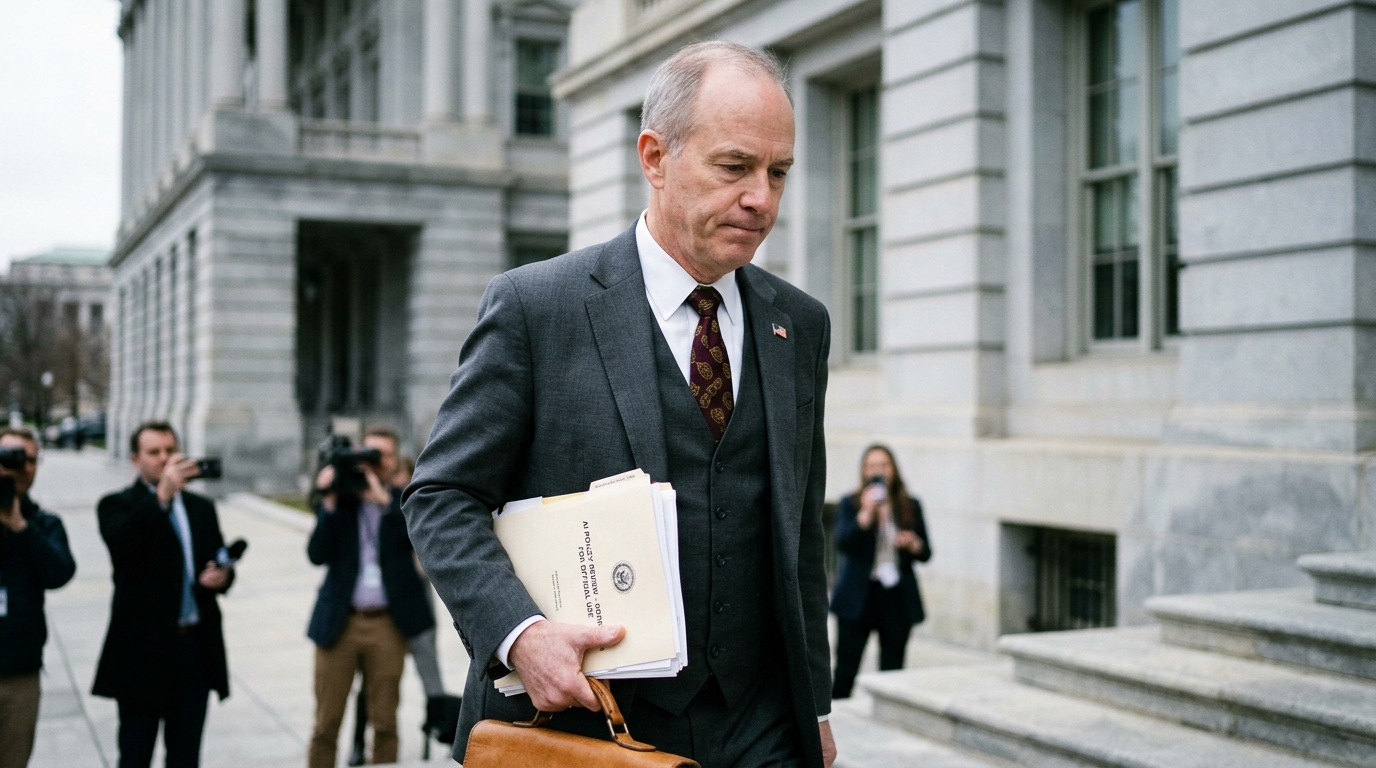
In the heart of Texas, the city of San Antonio is grappling with a dilemma that will soon confront every major metropolis in the developed world. As Artificial Intelligence (AI) fundamentally reshapes the labor market, a radical new policy proposal is making waves: providing financial incentives to businesses that consciously choose to hire humans instead of automating roles through algorithms. This move is not merely an attempt to protect jobs; it is a fundamental reassessment of the relationship between technological progress and social well-being.
The Threat of Digital Displacement
San Antonio, a city with a robust presence in the service, healthcare, and cybersecurity sectors, recognizes the risk of Generative AI eliminating thousands of entry-level positions. Administrative assistants, customer service representatives, and data analysts are on the front lines of vulnerability. The loss of these roles doesn't just mean higher unemployment; it signifies a rupture in the social fabric. Working humans consume locally, pay income taxes, and participate in civic life—algorithms, by contrast, do not contribute to the local economy in the same multidimensional way.
"Technology should be a tool that enhances human capability, not a substitute that renders our citizens redundant," states the proposal currently being debated within local government circles.
Proposed Measures: From Tax Credits to Automation Fees
The proposed strategy rests on three primary pillars. First, the establishment of "Human-centric Tax Credits." Businesses that demonstrate they are maintaining or expanding their human workforce in sectors threatened by automation would qualify for significant reductions in local property taxes or licensing fees. Second, the creation of a "Human-First" certification, similar to Fair Trade or Organic labels. This would allow consumers to patronize businesses that support human employment, creating an ethical advantage in the marketplace.
Third, the proposal suggests implementing an "Automation Fee" for companies that replace workers en masse with AI. Revenue from this fee would be funneled directly into upskilling programs for displaced workers, ensuring that the transition to the digital age leaves no one behind. It is an approach reminiscent of Bill Gates’ "robot tax" proposals, but tailored to the specific needs of a local community.
The Economic Logic of Humanity
Critics of the proposal argue that such measures could drive tech companies away from San Antonio toward more "innovation-friendly" cities like Austin. However, supporters' analysis suggests that the cost of mass unemployment and social degradation is far higher than the cost of the incentives. A city filled with "digital ghosts" performing tasks but lacking residents with purchasing power is a city in decline. Maintaining human labor ensures the stability of the tax base and the survival of small and medium-sized enterprises that rely on local consumption.
- Protection of low and middle-skill jobs from sudden disruption.
- Bolstering local purchasing power and economic circulation.
- Social stability and reduction of income inequality.
- Pioneering a new model for "ethical technology" implementation.
Conclusion: A Blueprint for the Future
San Antonio is not trying to stop time or halt progress. It is trying to direct progress in a way that serves humanity. If this experiment succeeds, it could serve as the blueprint for a new national or even global policy. The challenge lies in finding the golden mean: allowing innovation that increases productivity without sacrificing the dignity of work. In a world infatuated with the speed of algorithms, San Antonio reminds us that the greatest value remains the human being.