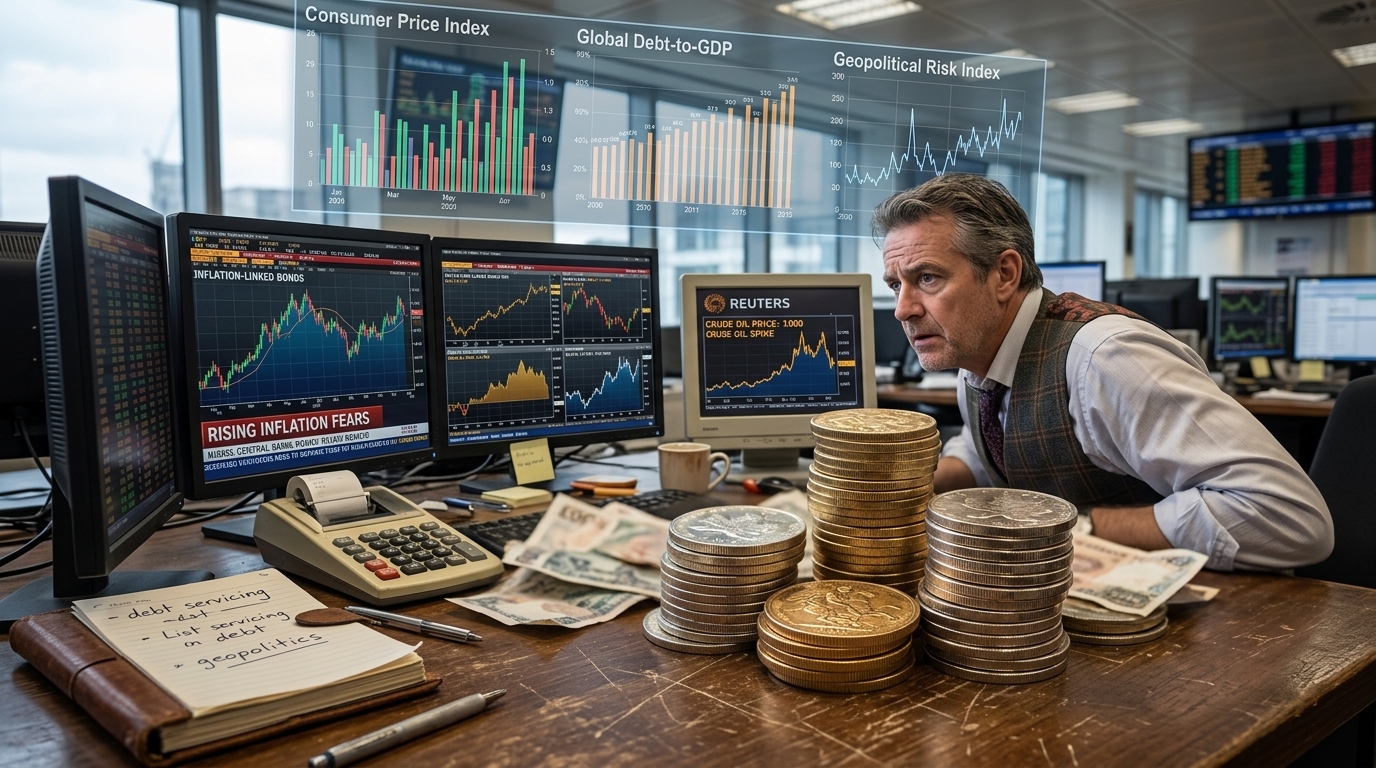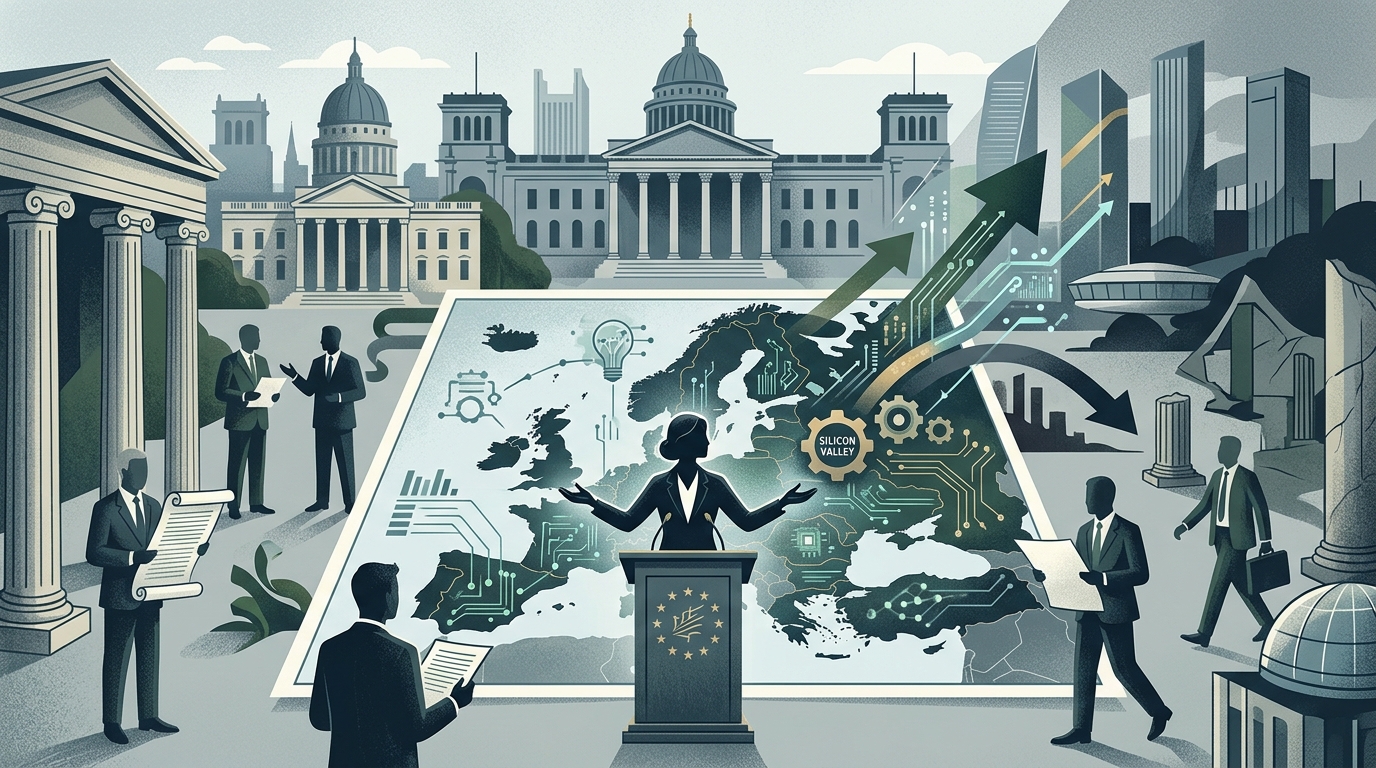
In an era where the global geopolitical chessboard is being violently rearranged, Europe faces an existential challenge: to regain its productive might or accept the role of a passive spectator. Kyriakos Pierrakakis, Greece's Minister of Education and former Minister of Digital Governance, has recently highlighted a critical truth: "Without production, there is no European power."
This statement is more than a mere observation; it is a clarion call for action at a time when the Draghi Report on competitiveness has already sent shockwaves through Brussels. Pierrakakis argues that Europe must stop being the world’s regulator and start being its creator, investing in infrastructure, energy, and an innovation ecosystem that mirrors Silicon Valley, albeit tailored to European values.
Energy as the Bedrock of Industrial Renaissance
A central pillar of Pierrakakis’ argument is energy. Today, Europe pays the heavy price of energy dependence and fragmented networks. "We need investments in electricity grids and a truly unified European energy market," he emphasized. Without cheap and abundant energy, any attempt at re-industrialization is destined for failure.
The Minister’s analysis focuses on the fact that European businesses face energy costs several times higher than those of their competitors in the US or China. This disparity is not just a financial metric; it is a strategic disadvantage leading to de-industrialization. Creating a unified European grid that allows the seamless transfer of green energy from the South to the North is, according to Pierrakakis, the "great interconnection" that will unlock growth.
Building the European Silicon Valley
The reference to Silicon Valley is intentional. Having led Greece's digital transformation, Pierrakakis understands that technology does not develop in a vacuum. It requires a triad: capital, talent, and a culture of risk-taking. Europe possesses the talent but often lags in the other two categories.
- Linking Universities and the Market: The Minister places significant emphasis on higher education reform. Universities must become "incubators" for entrepreneurship rather than just centers for theoretical research.
- Capital Markets Union: Startup financing in Europe remains fragmented. A European Silicon Valley requires the removal of barriers preventing the flow of capital between member states.
- Innovation Without Bureaucracy: Pierrakakis frequently notes that over-regulation strangles innovation before it is even born.
"Europe must choose: will it be the world's museum or the laboratory of the future? The answer lies in our ability to produce technology, not just consume it."
Geopolitical Power and Strategic Autonomy
Concluding his analysis, Pierrakakis links economics to national and European security. In a world where technology is weaponized, dependence on third countries for critical infrastructure—such as semiconductors or AI software—poses a significant risk. The "European power" he refers to is the continent's ability to defend its interests autonomously.
The challenge for Greece, according to the Minister, is to position itself strategically within this new European reality. Through education reforms and continued digitalization, the country aims to be a hub within this emerging European Silicon Valley, attracting investment and reversing the brain drain.