For decades, the Academy of Motion Picture Arts and Sciences (AMPAS) has stood as the ultimate gatekeeper of Hollywood tradition. However, the meteoric rise of generative AI has forced the institution to finally tackle the "elephant in the room." With the unveiling of new regulations for the 97th and 98th Academy Awards, the Academy is attempting a delicate balancing act: embracing technological progress while fiercely protecting human creativity by setting strict boundaries on what constitutes "Oscar-eligible" work.
Human Authorship as a Non-Negotiable Pillar
The core philosophy of the new guidelines is crystal clear: AI can be a tool, but never the creator. According to the updated rulebook, for a film to be eligible in categories such as Screenwriting or Directing, the "creative responsibility" must rest solely with human beings. This means a screenplay generated by a Large Language Model (LLM) cannot compete for an award, even if a human has heavily edited the output.
The Academy clarified that using AI in production does not automatically disqualify a film, but creators are now mandated to disclose its use. This transparency is vital as Hollywood seeks to heal from the historic 2023 strikes by the Writers Guild (WGA) and the Actors Guild (SAG-AFTRA), where AI protections were the central battleground. The Academy's move is seen as a moral and legal validation of the gains made by those labor unions.
The VFX and Digital Replica Dilemma
The waters become murkier in the technical categories. In Visual Effects (VFX), AI has been a staple for years—facilitating de-aging (as seen in Scorsese’s 'The Irishman') or generating massive digital crowds. The Academy does not intend to penalize these innovations, but it is raising a fundamental question: When does technology stop supporting a performance and start replacing it?
- Digital Replicas: The use of AI to create digital likenesses of actors who are deceased or did not participate in filming is being scrutinized under a microscope.
- Ethical Manipulation: Altering an actor’s voice or facial expressions via AI must be accompanied by explicit consent; otherwise, the film risks disqualification.
- Artistic Authority: The Academy insists that awards are granted to humans making artistic choices, not algorithms optimizing pixels for efficiency.
"Art is the expression of the human experience. If we remove the human from the equation, what remains is merely content production, not cinema,"stated a member of the rules committee, reflecting the prevailing sentiment among the voting body.
Economic and Political Implications
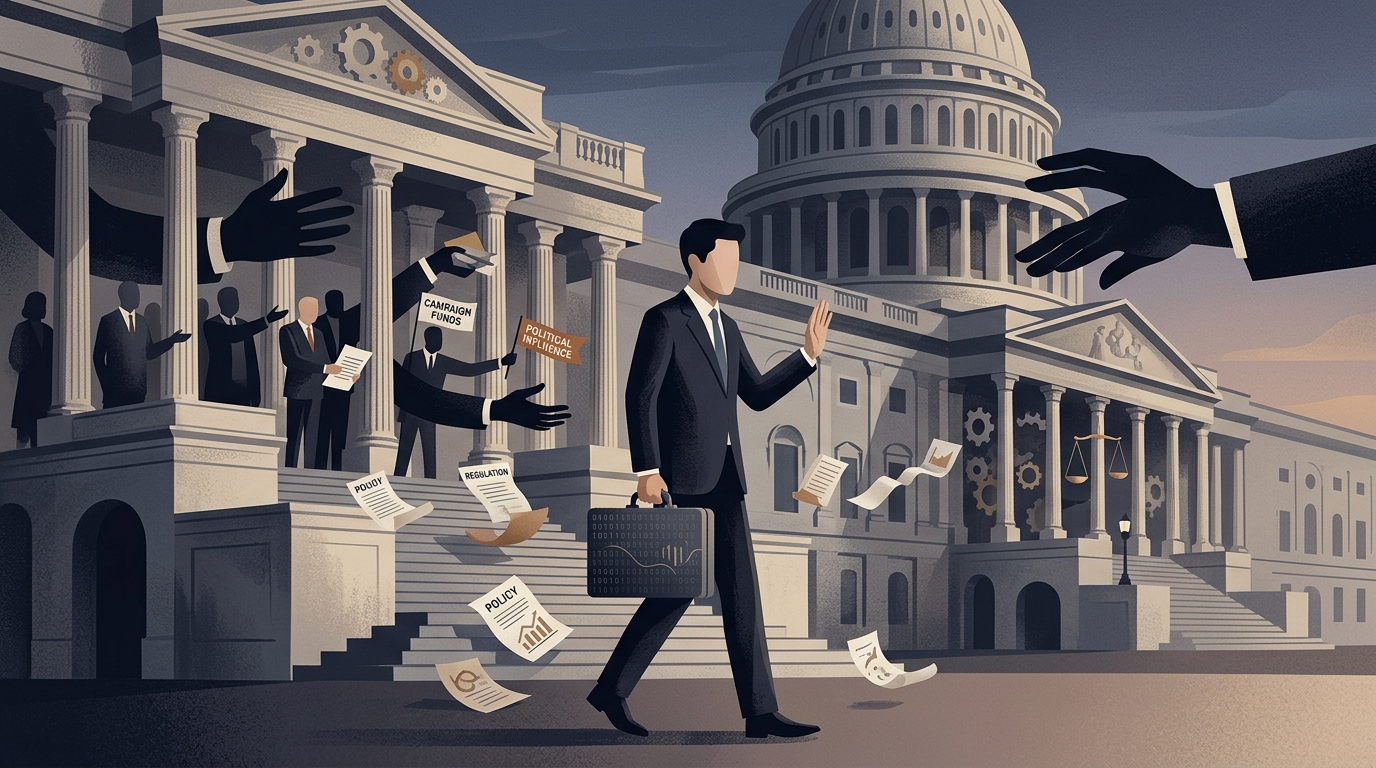
The Academy’s decision is not merely artistic; it is deeply political. It serves as a bulwark against studio pressures to slash costs through automation. If an AI-reliant film cannot win an Oscar, it loses a massive portion of its commercial and prestige value. This provides creators with a powerful bargaining chip against producers who might favor algorithmic efficiency over human labor.
Simultaneously, the Academy must contend with a global reality. In regions with fewer resources, AI could democratize high-end filmmaking. By imposing strict rules, AMPAS risks being perceived as elitist or luddite. However, its leadership appears convinced that preserving the "human stamp" is the only way to safeguard the value of the 'Oscar' brand in a world increasingly flooded with synthetic content.
The Future of the Silver Screen
As we approach the 100th anniversary of the Oscars, the AI debate will only intensify. The Academy acknowledges that these rules are "living documents" that will evolve annually. The challenge lies in not stifling innovation while ensuring that technology remains subservient to storytelling. The stakes are high: if the Oscars fail to define human creativity, they risk becoming an institution that rewards the most efficient software rather than the most soul-stirring story.