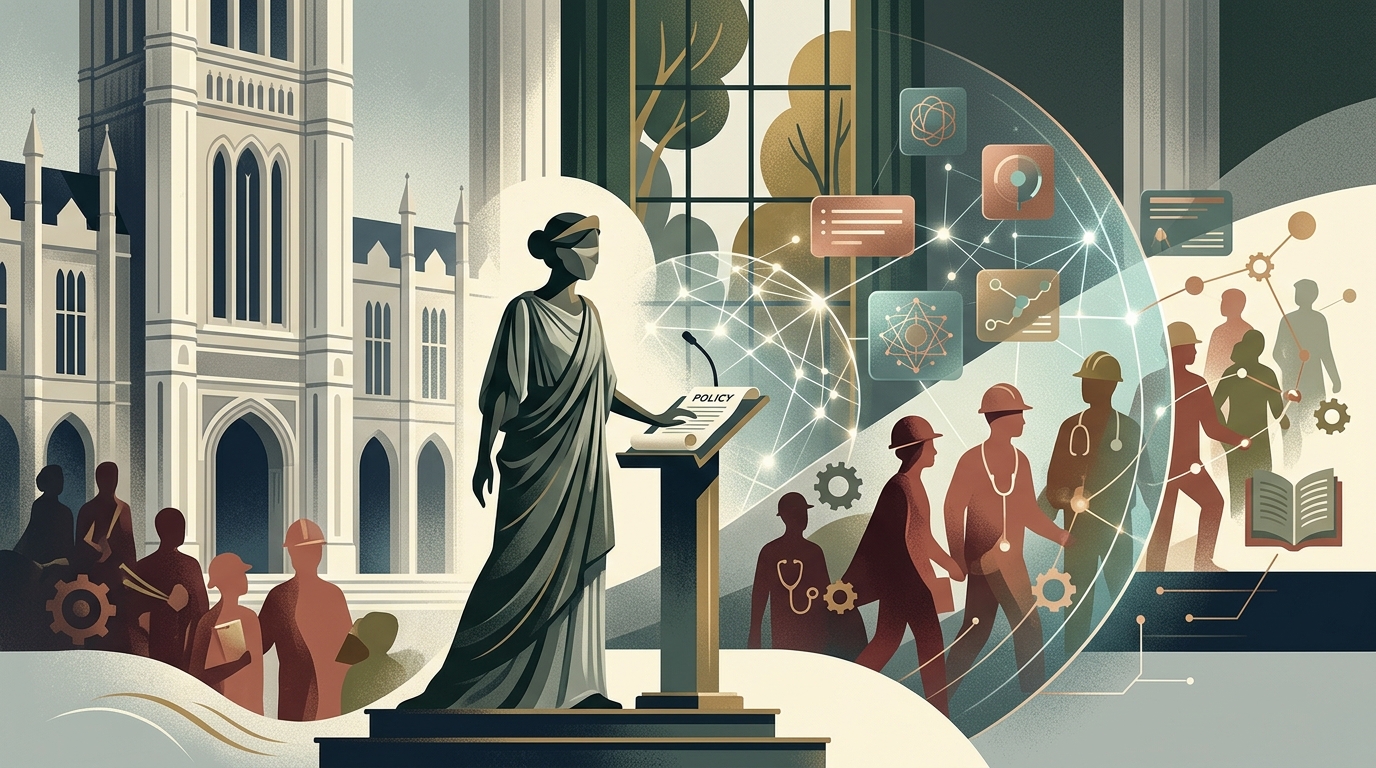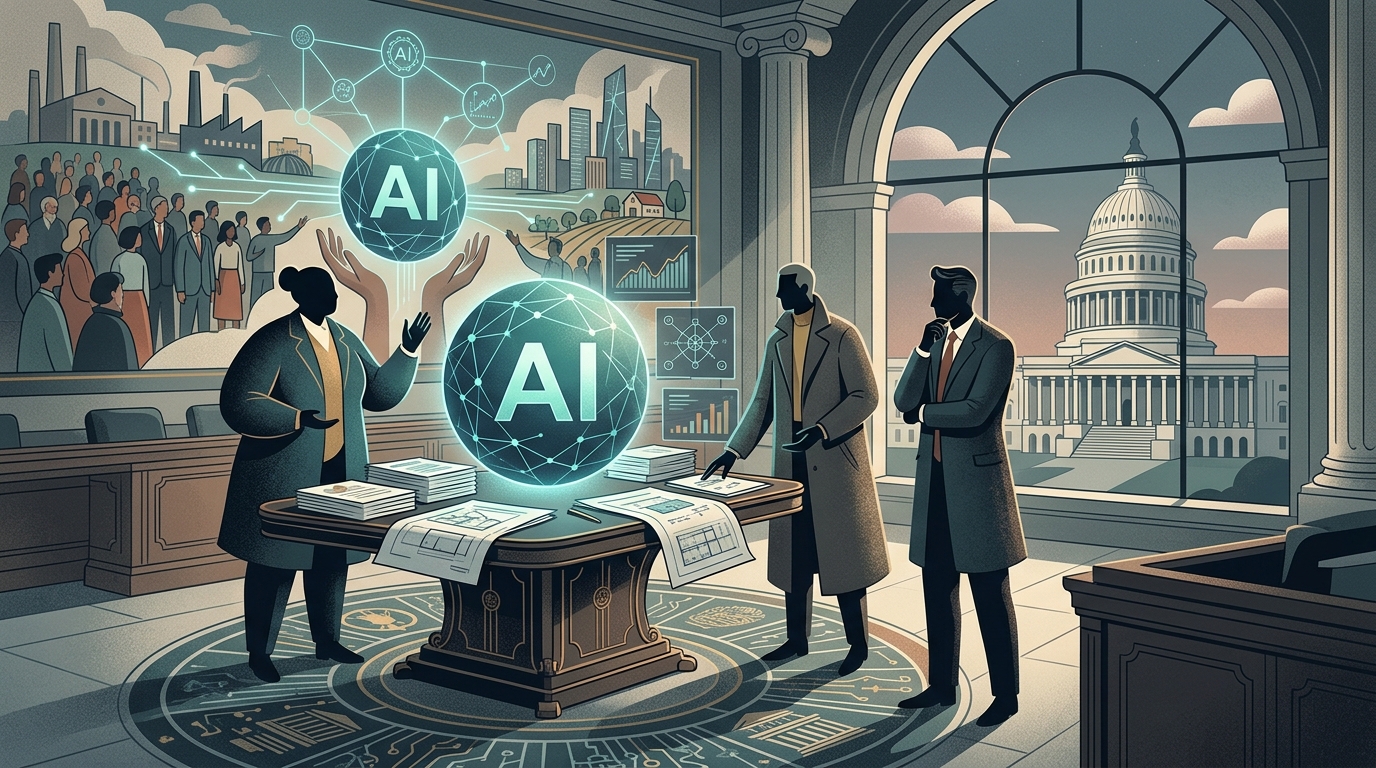
As the cinematic world prepares for the 99th Academy Awards in 2027, the Academy of Motion Picture Arts and Sciences (AMPAS) faces an existential challenge unlike any since the introduction of synchronized sound. The rapid integration of Generative AI into filmmaking has forced industry leaders to draw a "red line" in the Hollywood sand. The new regulations for 2027 do not ban AI, but they make it unequivocally clear that "human intellectual property" remains the core and the prerequisite for any nomination.
The Human Core as a Prerequisite
The fundamental philosophy of the new rules centers on the concept of "creative authorship." According to the latest guidelines, for a film to be eligible for major awards—such as Best Picture, Directing, and Screenplay—the majority of the creative work must be attributed to natural persons. This means a script generated entirely by a Large Language Model (LLM) cannot compete for an award, even if it has undergone human editing. The Academy now demands transparency: producers are required to disclose the extent and nature of AI tool usage during pre-production and production phases.
This move is not merely an attempt to preserve artistic value but also a legal safeguard against the complex copyright battles plaguing the industry. With U.S. courts already ruling that works created solely by machines cannot receive copyright protection, the Academy is aligning itself with legal reality, ensuring its awards continue to represent works that—legally and ethically—belong to human creators.
Technology in Service of Art, Not as a Replacement
In technical categories, such as Visual Effects (VFX) and Film Editing, the use of AI is already widespread, and the Academy acknowledges this with a more flexible approach. Here, AI is treated as a sophisticated tool, akin to CGI or digital editing software of previous decades. However, even in these categories, "human guidance" remains key. Voters will evaluate how the human artist utilized technology to realize their vision, rather than the machine's ability to generate impressive imagery from a simple prompt.
The challenge remains in performances. With the rise of "digital twins" and de-aging technology, the Academy has set strict limitations. Actors using AI to enhance their performance or appear younger must have given explicit consent, and the final performance must retain the essential characteristics of human acting. The case of "digital resurrections" of deceased actors remains one of the most controversial issues, with the Academy leaning toward excluding such "performances" from acting award categories.
The Policy of Intellectual Property and the Future
The new regulations are the result of intense deliberations that began following the historic writers' (WGA) and actors' (SAG-AFTRA) strikes of 2023. These unions secured guarantees that are now being woven into the DNA of the Oscars. The Academy is now functioning as the guardian of "human exceptionalism" in an era where automation threatens to homogenize cultural production.
However, some voices argue that these restrictions may prove futile. As AI becomes increasingly indistinguishable from human labor, policing "transparency" will become harder. The Academy might eventually need to deploy AI tools of its own to detect the unauthorized use of technology in submitted films. 2027 will be the year that tests whether art can remain the final bastion of human uniqueness.
"Artificial intelligence can synthesize an image, but it cannot feel the agony of creation. The Oscars must reward the agony, not the algorithm," stated a member of the Academy's Board of Governors.
In conclusion, the 2027 Oscars do not close the door on technology but place it in its proper position: as an assistant, not a creator. The battle for the soul of cinema has just begun, and the gold statuettes remain the most powerful symbol in this global cultural conflict.