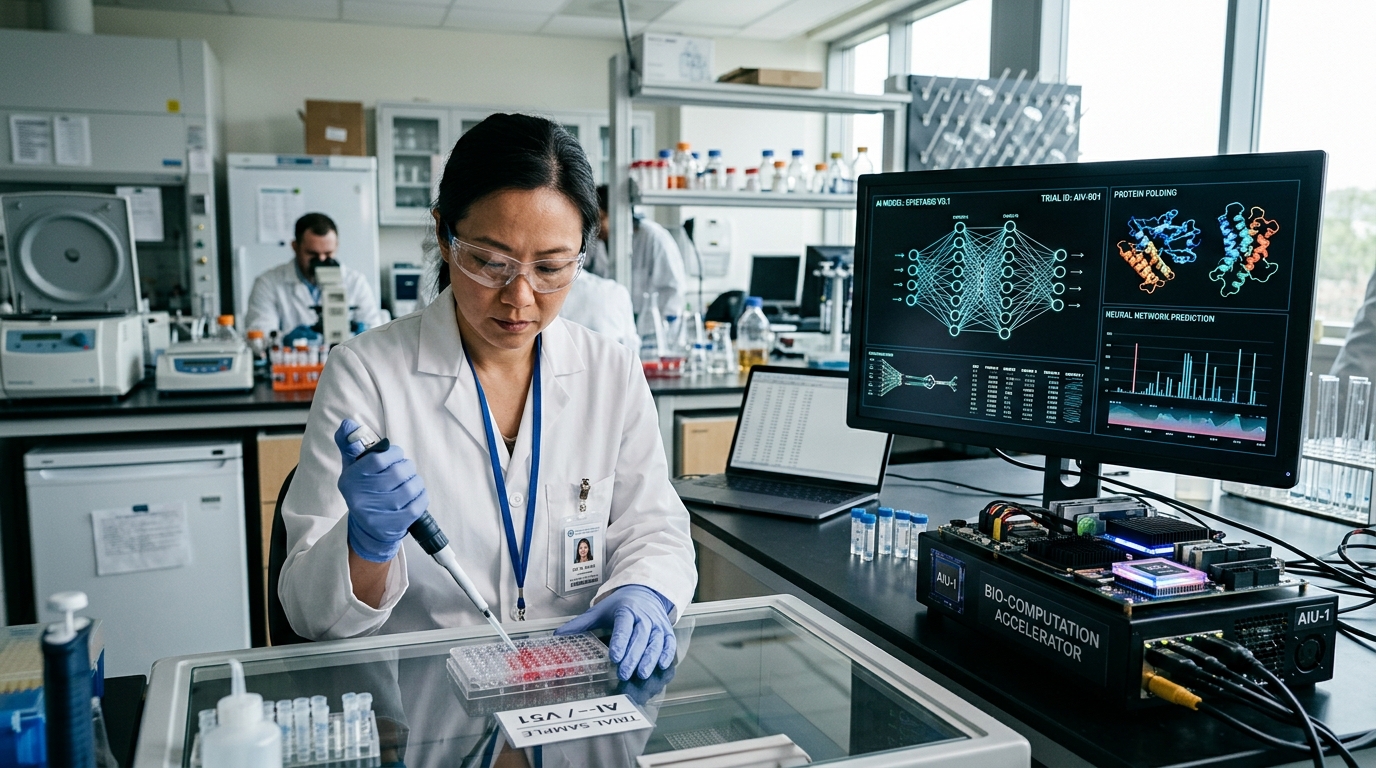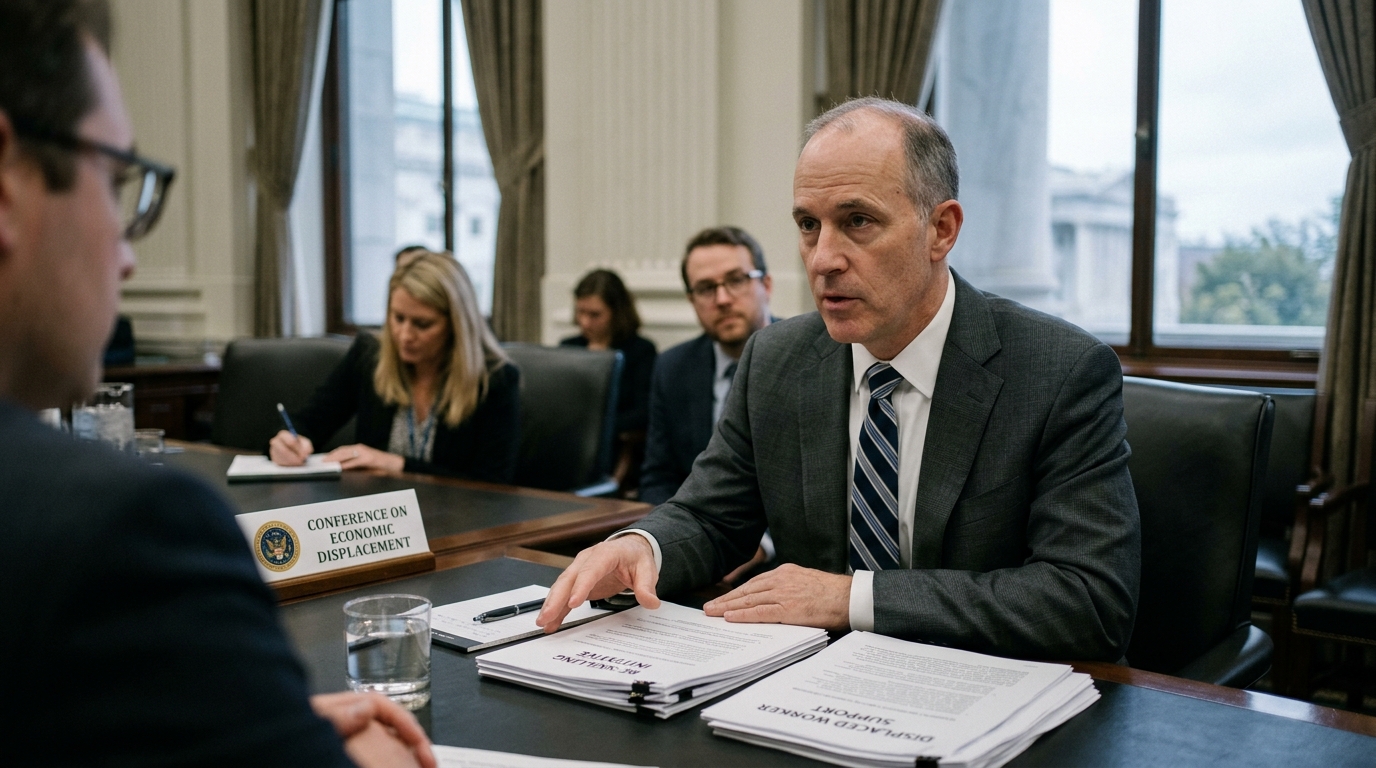
As we navigate the first half of 2026, the debate over Artificial Intelligence's (AI) impact on employment has shifted from theoretical forecasting to stark reality. In a move that sparks both hope and skepticism, OpenAI has announced a $250 million commitment to establish a "Resilience Fund." The initiative aims to support workers whose roles are threatened or have already been displaced by generative AI systems, providing resources for retraining and transition into new sectors of the economy.
The Architecture of the Commitment and Corporate Responsibility
The sum of $250 million, while sounding astronomical for a philanthropic gesture, represents only a fraction of the revenue now managed by the Silicon Valley giant. OpenAI, under the leadership of Sam Altman, seems to recognize that the social license for its technology depends directly on how it handles the collateral damage it inflicts. The fund will not operate as a direct unemployment benefit but rather as a financing mechanism for non-profits, educational institutions, and government partnerships focused on "upskilling."
According to preliminary details, the initiative will prioritize sectors that took the hardest hits over the past year: content writing, entry-level coding support, translation, and first-tier customer service. OpenAI maintains that technology should be an "empowerment tool," yet the reality in offices and industries shows that the pace of change is outstripping the capacity of traditional educational systems to adapt. The question remains whether $250 million is sufficient to stem a tide affecting millions globally.
Regulatory Pressures and the Specter of Legislation
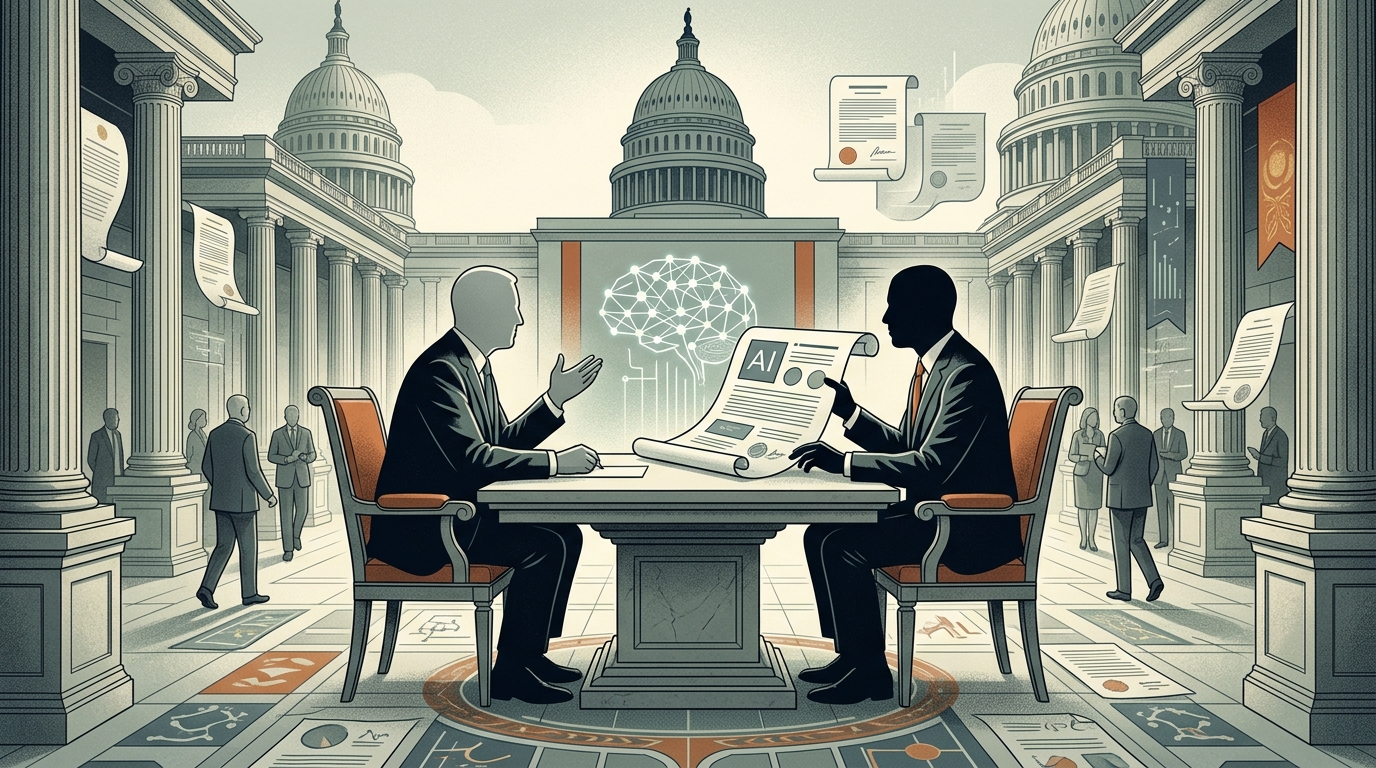
This move does not occur in a vacuum. 2026 finds regulators in the US and the European Union considering stricter laws regarding the liability of AI companies toward the labor market. OpenAI's pledge can be interpreted as an attempt at self-regulation, aimed at preempting legislative initiatives that could impose "automation taxes" or mandatory contributions to social security funds. In Brussels, the debate over whether companies profiting billions by replacing human labor should return a portion of those profits to society has reached a boiling point.
- Collaboration with local governments to identify labor market gaps.
- Development of personalized learning programs using... AI itself.
- Pilot programs for introducing a "guaranteed transition income" in limited geographic zones.
Sam Altman has repeatedly alluded to the idea of Universal Basic Income (UBI) as an inevitable future solution. However, the current fund avoids the word "welfare," preferring "resilience." This linguistic choice signals the company's intent to maintain the narrative that work is not dying but evolving. For many analysts, however, this evolution is so violent that it requires radical structural changes rather than mere corporate donations.
Ethical Dilemmas and the Long-Term Perspective
There is an inherent irony in the fact that the company which accelerated automation is now the one tasked with healing its wounds. Critics argue that this is a form of "AI-washing," where philanthropy is used to distract from the concentration of power and wealth in very few hands. If AI continues to evolve at the pace seen in 2025, the skills workers acquire through these programs might be obsolete before they even finish their training.
"The challenge is not just teaching people how to use AI, but finding what humans will do when AI can do almost everything better than them," notes a senior official from the International Labour Organization.
In conclusion, OpenAI's initiative is a significant first step, but it remains a drop in the ocean of global economic upheaval. The success of the venture will be judged by the transparency in resource management and whether it serves as a catalyst for a broader discussion on the social contract in the age of super-intelligence. 2026 will go down in history as the year the tech industry was forced to look the human cost of its success in the eye.