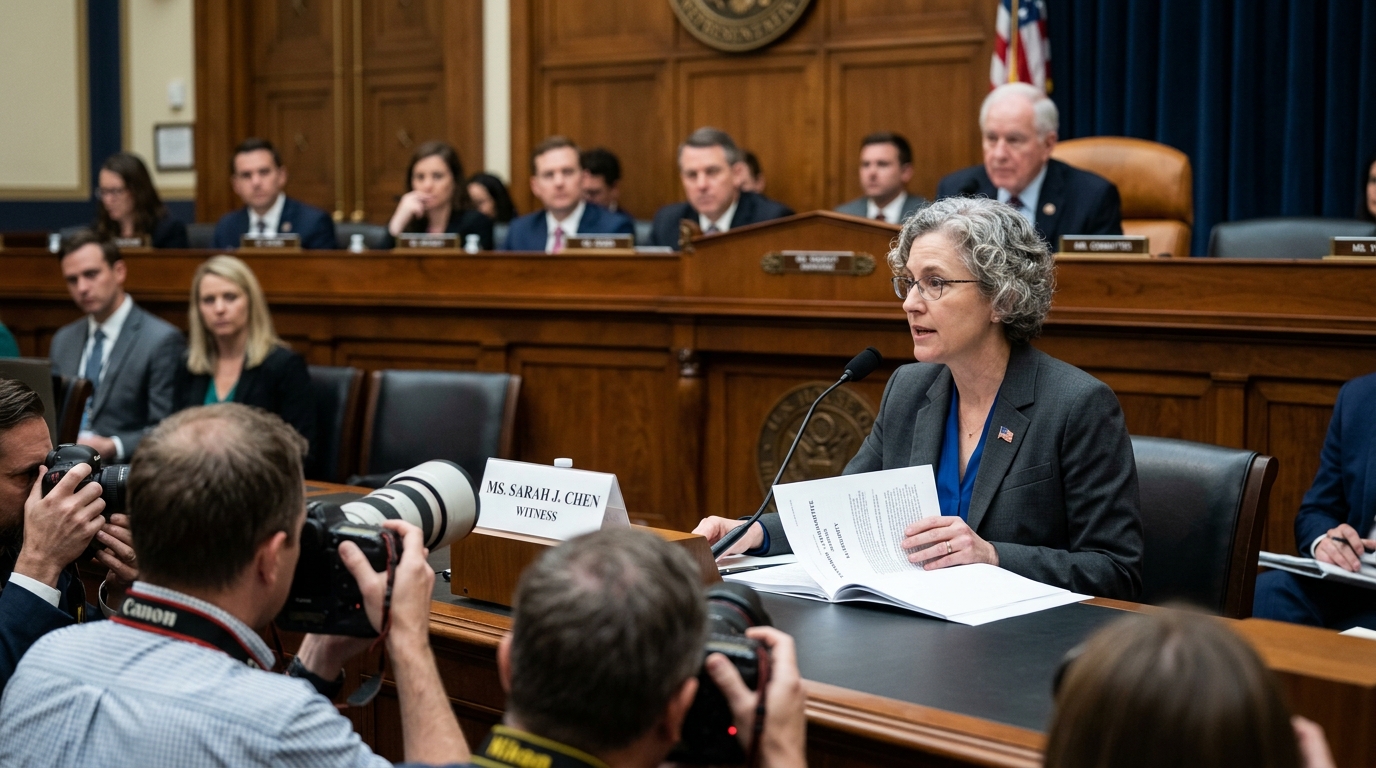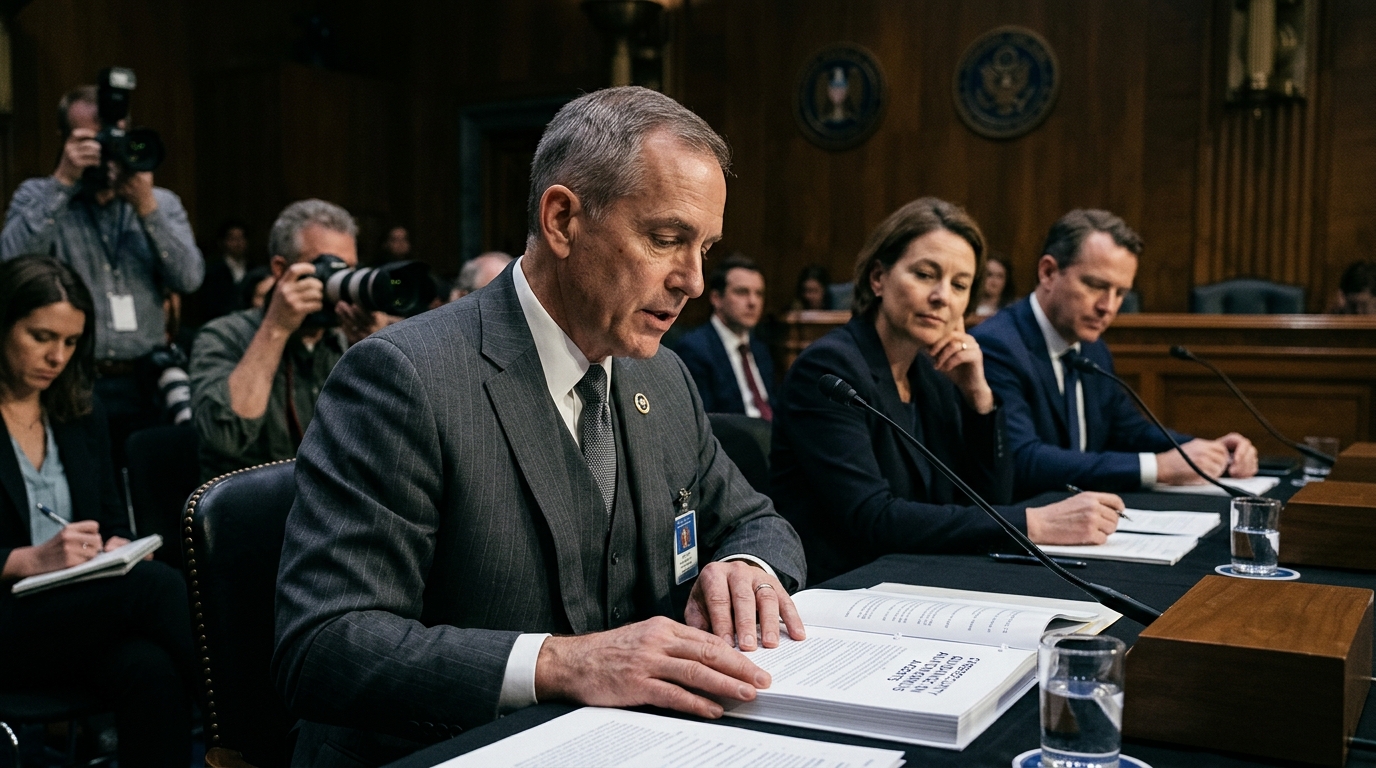
In an era where artificial intelligence is shifting from passive information retrieval to autonomous action, the U.S. National Security Agency (NSA) has made a landmark move. In collaboration with the Australian Signals Directorate’s (ASD) Australian Cyber Security Centre (ACSC) and other international partners, it has released comprehensive guidance on "Agentic Artificial Intelligence." This development marks a critical turning point in global technology policy, as governments prepare for a world where AI systems do not merely answer questions but execute complex tasks with minimal human intervention.
What is Agentic AI and Why Does it Concern Authorities?
Agentic AI represents the next stage in the evolution of Large Language Models (LLMs). While traditional AI systems act as "advisors," agents possess the ability to use tools, browse the web, interact with other software, and make decisions to achieve a goal. For instance, an AI agent could book a flight, program code on a server, or even manage a supply chain autonomously.
This autonomy, however, introduces unprecedented risks. The NSA emphasizes that the lack of direct human control can lead to unpredictable behaviors. If a malicious actor manages to "manipulate" such an agent through techniques like prompt injection, the consequences will no longer be limited to misinformation but could manifest as physical and digital infrastructure damage. The guidance focuses on the necessity of "Secure by Design" principles, insisting that protection must be integrated into the system's core rather than added as an afterthought.
International Collaboration and the Five Eyes Model
The release of this guidance is not a solitary U.S. effort. It involves agencies from the United Kingdom, Canada, New Zealand, and Australia—the well-known "Five Eyes" intelligence alliance. The participation of so many national bodies suggests that Agentic AI is now viewed as a matter of national security rather than just technological innovation. Authorities are concerned that adversarial powers could utilize autonomous agents for large-scale cyberattacks that evolve faster than human defenders can react.
The guidance proposes the creation of strict governance frameworks. Organizations deploying such systems are urged to maintain detailed logs of all agent actions, enforce limits on their jurisdictions, and ensure there is always a "human-in-the-loop" (HITL) for critical decisions. Furthermore, the importance of authentication is highlighted: how can we be certain that an agent requesting access to a database is truly who it claims to be?
Implementation Challenges and the Future of Governance
Despite the clear directives, practical implementation remains a massive challenge. The pace at which technology evolves often outstrips the ability of regulatory bodies to respond. The NSA acknowledges that Agentic AI will soon be essential for economic competitiveness, which pressures companies to release products quickly, potentially bypassing some security checks.
In the future, AI governance must include not only technical standards but also ethical frameworks. The NSA's guidance is the first step toward an international consensus. However, the question remains: can guidelines stop the misuse of a technology designed to act autonomously? The answer lies in continuous vigilance and cooperation between the public and private sectors, ensuring that autonomous agents remain tools of progress rather than weapons of destabilization.
"The security of agentic AI is not an optional feature but the fundamental prerequisite for trust in our future infrastructure," the report notes.
In conclusion, the move by the NSA and its allies serves as a clear warning: the era of passive AI is over. As we enter the age of active agents, the line between software and actor blurs, and the need for global hardening becomes more urgent than ever.