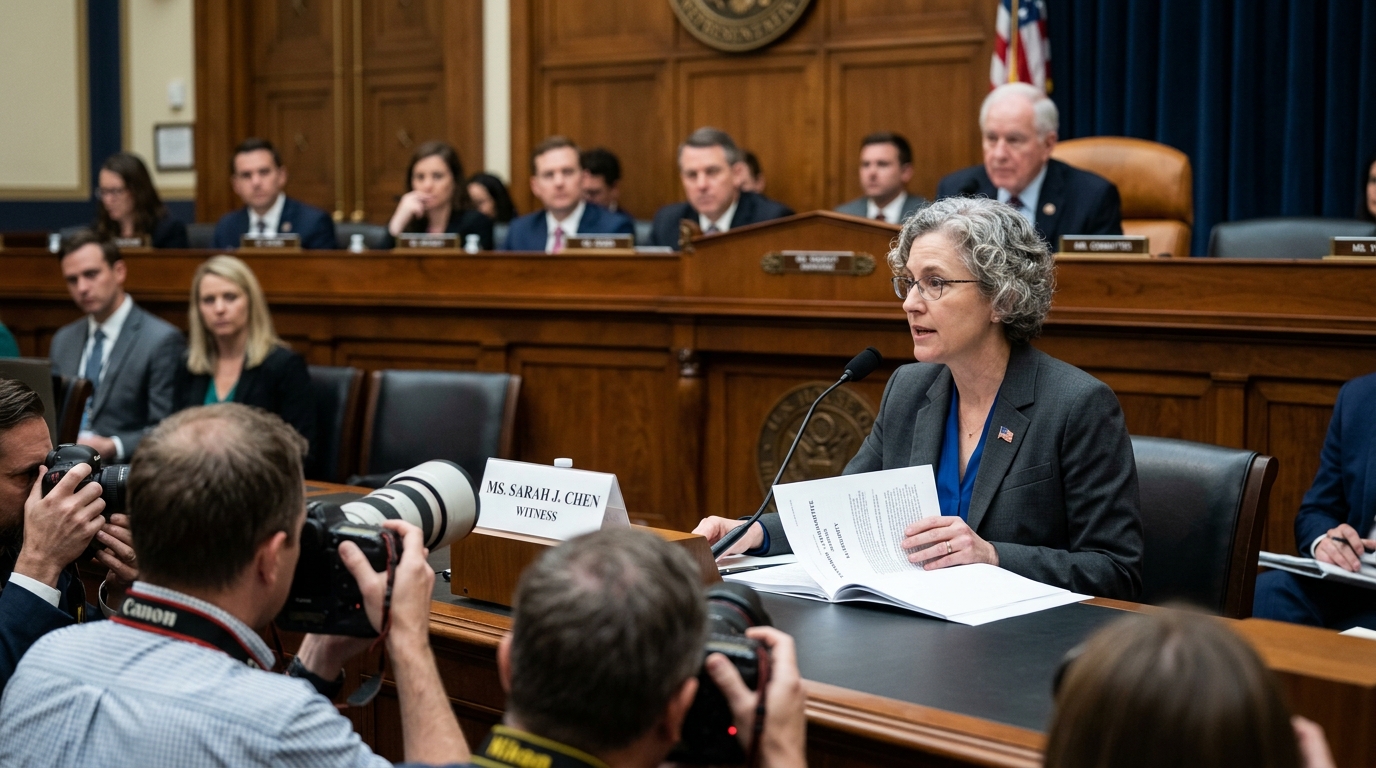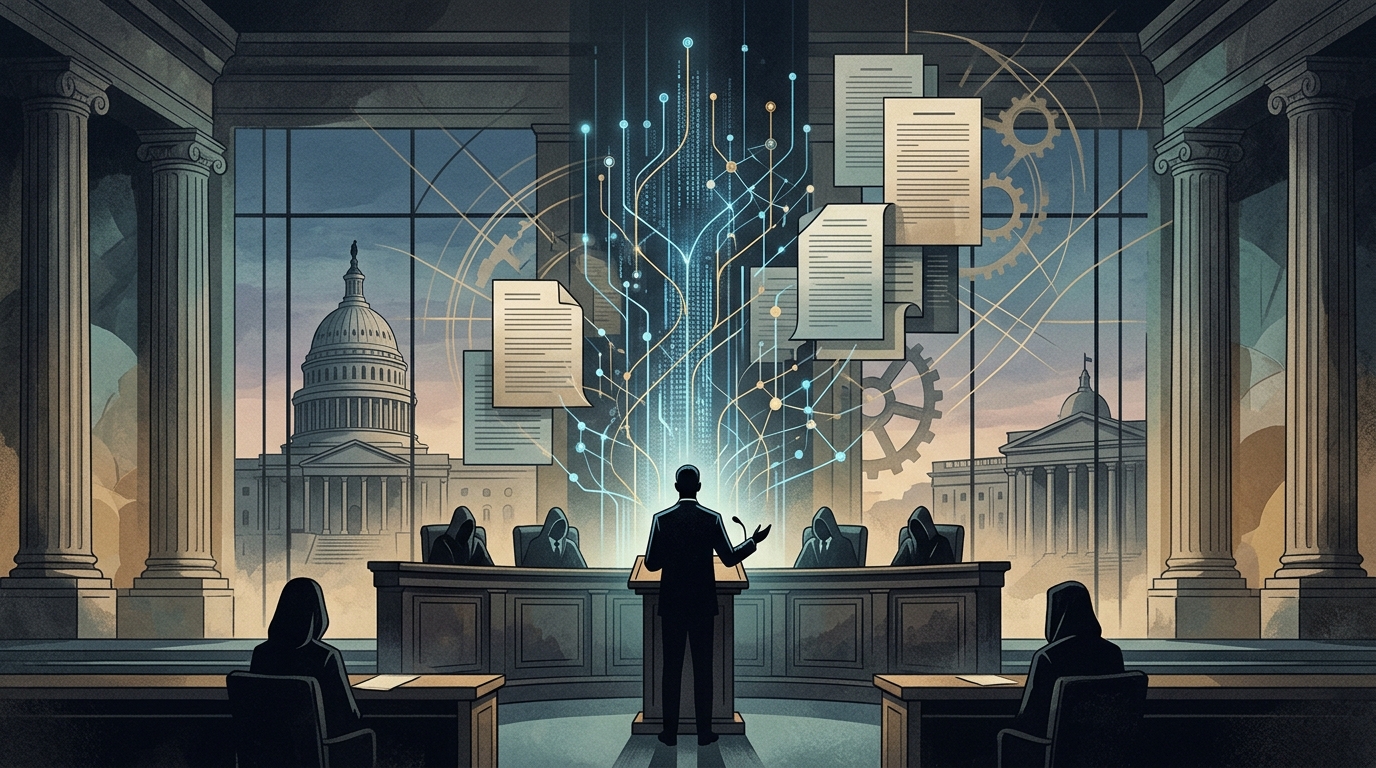
In the heart of a courtroom that feels more like the setting of a geopolitical conflict than a corporate dispute, Satya Nadella, the man who reinvented Microsoft, concluded a testimony that could define the future of the technology industry for decades to come. The trial, examining the nature of the close relationship between Microsoft and OpenAI, is no longer just about contracts and shares; it is about who will hold the "keys" to 21st-century intelligence.
The "Non-Acquisition" Strategy and the Ghost of Monopoly
During his multi-day testimony, Nadella was called to answer thorny questions regarding Microsoft's $13 billion investment in OpenAI. The primary argument of the prosecution—and the regulators watching closely from the wings—is that Microsoft has achieved a "de facto" acquisition without undergoing the scrutiny required for a standard merger. Nadella, with his characteristic calm, presented the relationship as a mutually beneficial partnership, emphasizing that Microsoft provides the necessary computing power (Azure) while OpenAI offers the innovation of its models.
However, an analysis of internal documents presented in court suggests a different picture. OpenAI's dependence on Microsoft's infrastructure is nearly absolute. As legal analysts noted, if Microsoft were to "flip the switch," OpenAI would cease to function within hours. This raises the question: is there true independence when one partner controls the other's oxygen? Nadella insisted that the market is "intensely competitive," citing Google and Anthropic as formidable rivals, but his rhetoric did not seem to soothe the skeptics.
The November 2023 Crisis as Exhibit A
A significant portion of the examination focused on the events of November 2023, when the OpenAI board briefly fired Sam Altman. Nadella’s swift intervention—offering jobs to OpenAI’s entire staff and the eventual reinstatement of Altman with Microsoft gaining a non-voting observer seat on the board—was used by the prosecution as evidence of the absolute control exercised by Redmond. Nadella described those hours as "crisis management to protect shareholder interests," but the image of a CEO capable of overturning the decisions of an "independent" non-profit within a weekend is hard to ignore.
The testimony also revealed that Microsoft was aware of the risks inherent in OpenAI’s structure. The transition from an organization committed to safety and open access to an entity chasing profit under Microsoft’s guidance is at the core of the criticism. Regulators in the EU and the US are examining whether this "hybrid" structure was intentionally used to bypass antitrust laws that would have blocked an outright acquisition.
Implications for the AI Ecosystem
The conclusion of Nadella's testimony marks the beginning of a new phase in the trial. If the court finds that Microsoft exercises "decisive influence" over OpenAI, the consequences will be seismic. It could lead to a forced decoupling of the two companies or, at the very least, the imposition of strict limitations on data usage and cloud infrastructure exclusivity.
- End of Exclusivity: OpenAI might be forced to utilize other cloud providers (e.g., AWS or Google Cloud).
- Algorithmic Transparency: Stricter oversight on how Microsoft integrates GPT-4 into its product suite.
- Governance Overhaul: Complete removal of Microsoft presence from the OpenAI board.
In a broader context, this trial represents the "Stalingrad" of Big Tech. After years of a laissez-faire approach, governments seem determined not to allow artificial intelligence to end up as a duopoly. Nadella attempted to portray Microsoft as the "good actor" that saved innovation, but the company’s history with antitrust cases in the 1990s casts a long shadow over the courtroom. The verdict is awaited with bated breath, as it will determine whether AI remains an open field of competition or a closed fiefdom of the few.