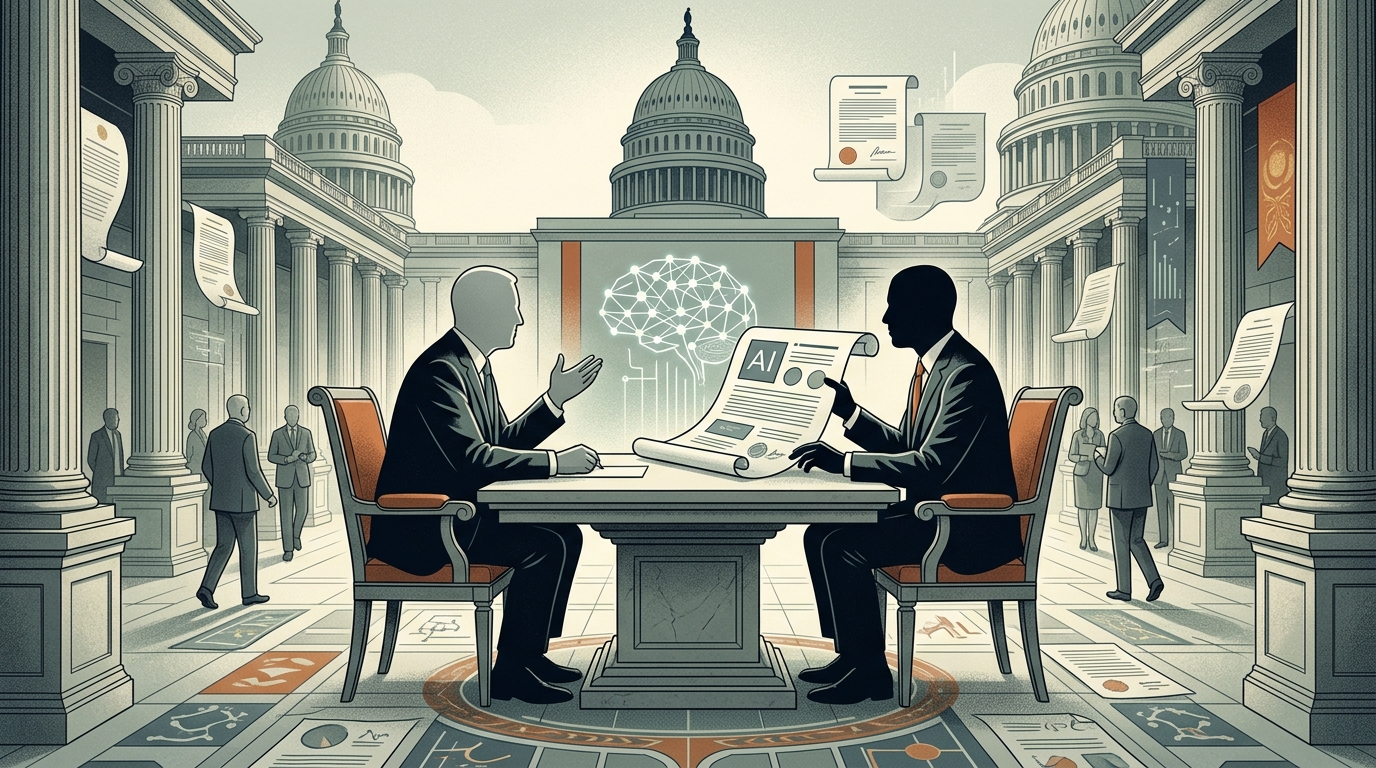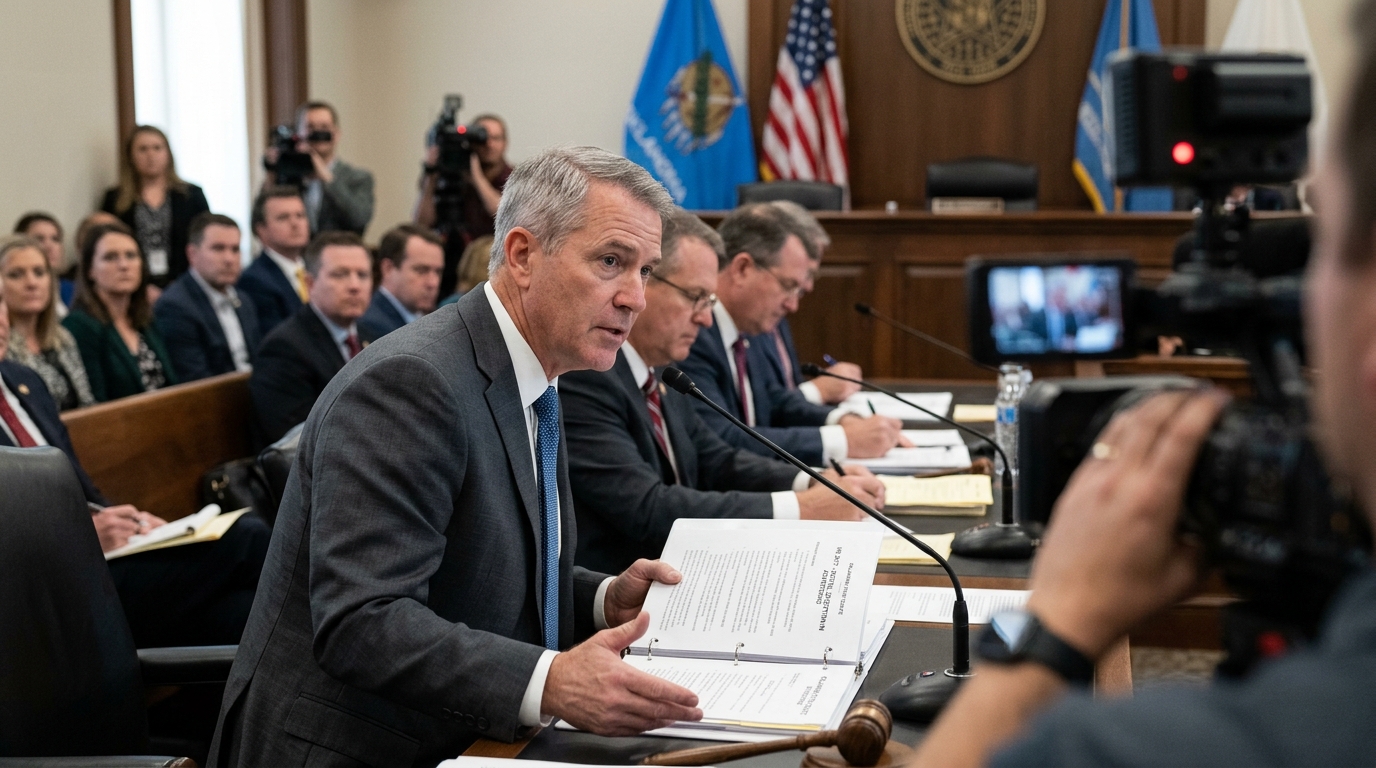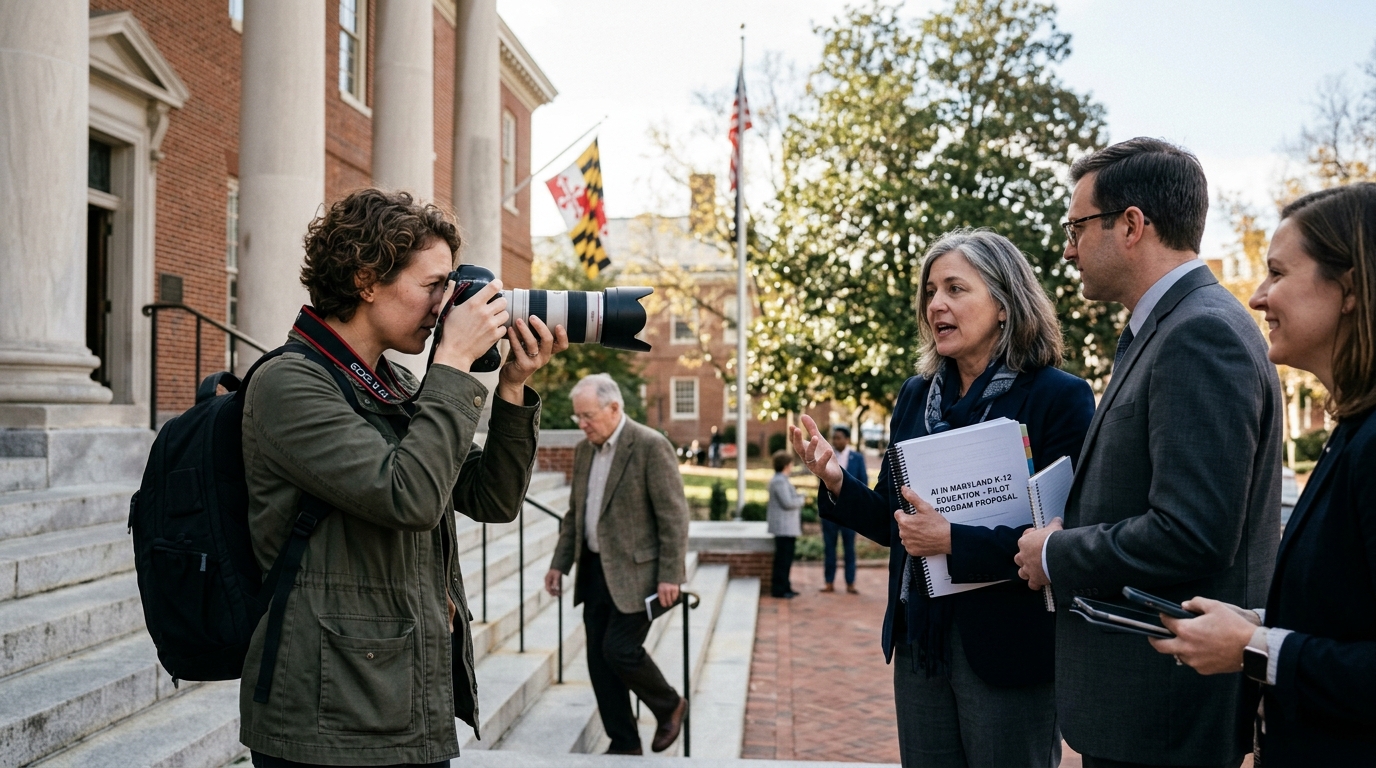
As June 2026 arrives, bringing the close of another academic cycle, the state of Maryland is stepping into a new era of educational policy. The long-anticipated law providing comprehensive guidance on Artificial Intelligence (AI) in public schools has officially gone into effect, marking one of the most significant attempts in the United States to regulate the presence of algorithms in the classroom. This is not merely a checklist of prohibitions; it is a strategic roadmap designed to transition AI from a perceived threat to academic integrity into a potent tool for personalized learning.
A Philosophy of Guidance Over Prohibition
In stark contrast to the initial knee-jerk reactions of many school districts that rushed to ban tools like ChatGPT, Maryland’s legislation adopts a pragmatic and forward-looking stance. The law acknowledges that AI is an inescapable reality in students' lives and asserts that the school's mission is to teach them how to navigate it responsibly. The Maryland State Department of Education (MSDE) is now mandated to provide ongoing support to local school boards, ensuring that the integration of technology does not come at the expense of critical thinking or human connection.
A centerpiece of the law is the requirement for 'algorithmic transparency.' Schools are now obligated to vet the AI tools they deploy, focusing specifically on whether these systems harbor or propagate biases. This is particularly vital in a state as demographically diverse as Maryland, where the risk of algorithms reinforcing systemic socioeconomic disparities is both real and well-documented.
Data Privacy and the Protection of Minors
Perhaps the most critical dimension of the new legislation concerns the protection of minors' personal data. In the modern digital economy, student data is a goldmine for tech companies seeking to refine their large language models. Maryland’s law establishes stringent guardrails on how Educational Technology (EdTech) providers can harvest and utilize information from K-12 students.
- The use of student data for targeted advertising is strictly prohibited.
- Companies must provide explicit guarantees that data will not be used to build student profiles for non-educational purposes.
- Parental consent has been elevated to a central pillar for the use of advanced AI systems that process biometric or sensitive information.
This approach mirrors broader global trends, such as the European Union’s AI Act, signaling that US state governments are increasingly willing to act as primary regulators in the absence of comprehensive federal oversight.
The Teacher Training Challenge: Human Capital in the Age of Silicon
No law, however well-drafted, can succeed without the people tasked with its implementation. The legislation earmarks significant resources for the professional development of educators. The objective is not to turn every teacher into a data scientist, but to foster 'AI literacy.' Educators must be equipped to explain to their students why an AI-generated response might be factually incorrect, ethically questionable, or inherently biased.
"AI will not replace the teacher, but the teacher who uses AI will replace the teacher who does not," noted a member of the Maryland State Board of Education during the final implementation hearings.
Nevertheless, significant hurdles remain. The sheer velocity of AI development often outpaces the bureaucratic speed of public sector training programs. There is a legitimate concern that a new 'digital divide' might emerge—not defined by who has a laptop, but by who has access to sophisticated, ethically-guided instruction on how to leverage AI effectively.
Conclusion: Maryland as a National Laboratory
The rollout of this law will be scrutinized by policymakers across the nation. If Maryland successfully demonstrates that AI can be integrated into schools safely and ethically, it will provide a scalable blueprint for other states. However, if bureaucratic friction stifles innovation, or if the safeguards prove insufficient against the lobbying power of Big Tech, it will serve as a cautionary tale. What remains certain is that education is undergoing a fundamental metamorphosis, and Maryland has just taken the first definitive step into this uncharted territory.