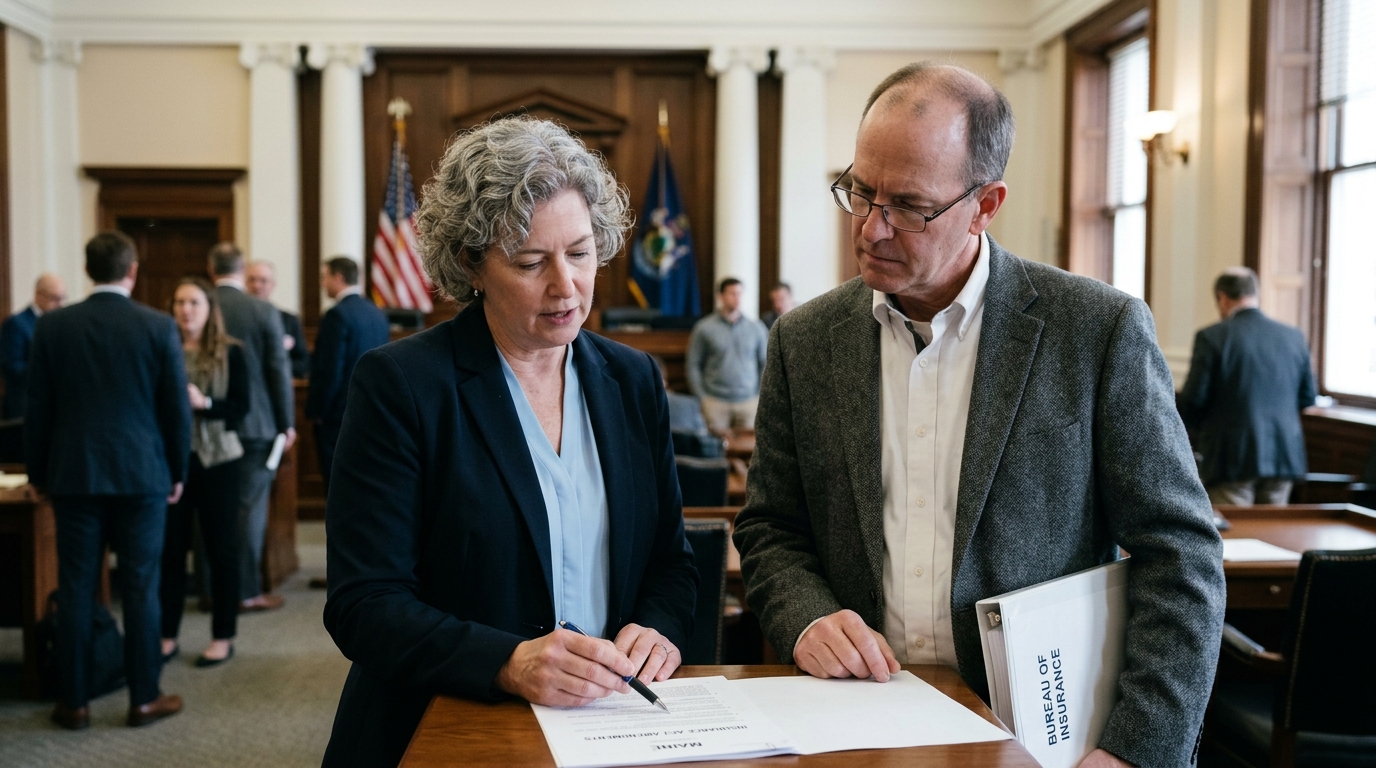
In an era where the climate crisis is no longer a distant threat but a daily economic reality, the state of Maine is taking a groundbreaking step. With home insurance premiums skyrocketing at rates far outpacing inflation, the local government has decided to enlist Artificial Intelligence (AI) as a primary tool for risk analysis and price stabilization. This initiative, closely watched by federal analysts, marks a new phase in the relationship between public administration, technology, and financial services.
The Climate Crisis as a Catalyst for Economic Instability
The problem is not unique to Maine, but the state's specific characteristics make it critical. With its vast forests and vulnerable coastlines, Maine faces heightened risks from wildfires and coastal flooding. Insurance companies, relying on traditional actuarial models, often respond with broad rate hikes or even full withdrawals from certain regions, leaving homeowners in despair. The introduction of AI aims to replace these "blind" increases with a more surgical approach.
The use of advanced algorithms allows for the processing of vast amounts of data, ranging from high-definition satellite imagery to historical meteorological patterns and topographical surveys. This means that a homeowner who has taken protective measures—such as using fire-resistant materials or improving drainage—can now see those efforts reflected in their insurance costs, rather than being penalized solely for their geographic location.
Transparency and Regulatory Guardrails
One of the primary consumer complaints is the lack of transparency in how companies calculate risk. Maine plans to use AI not just for property assessment, but also for the oversight of the insurance companies themselves. The state's Bureau of Insurance will utilize its own AI models to verify whether rate hikes proposed by companies are justified or if they constitute price gouging.
- Risk analysis at the individual property level rather than by zip code.
- Identifying areas where state-funded infrastructure projects can directly lower premiums.
- Predicting future trends to avoid sudden market shocks.
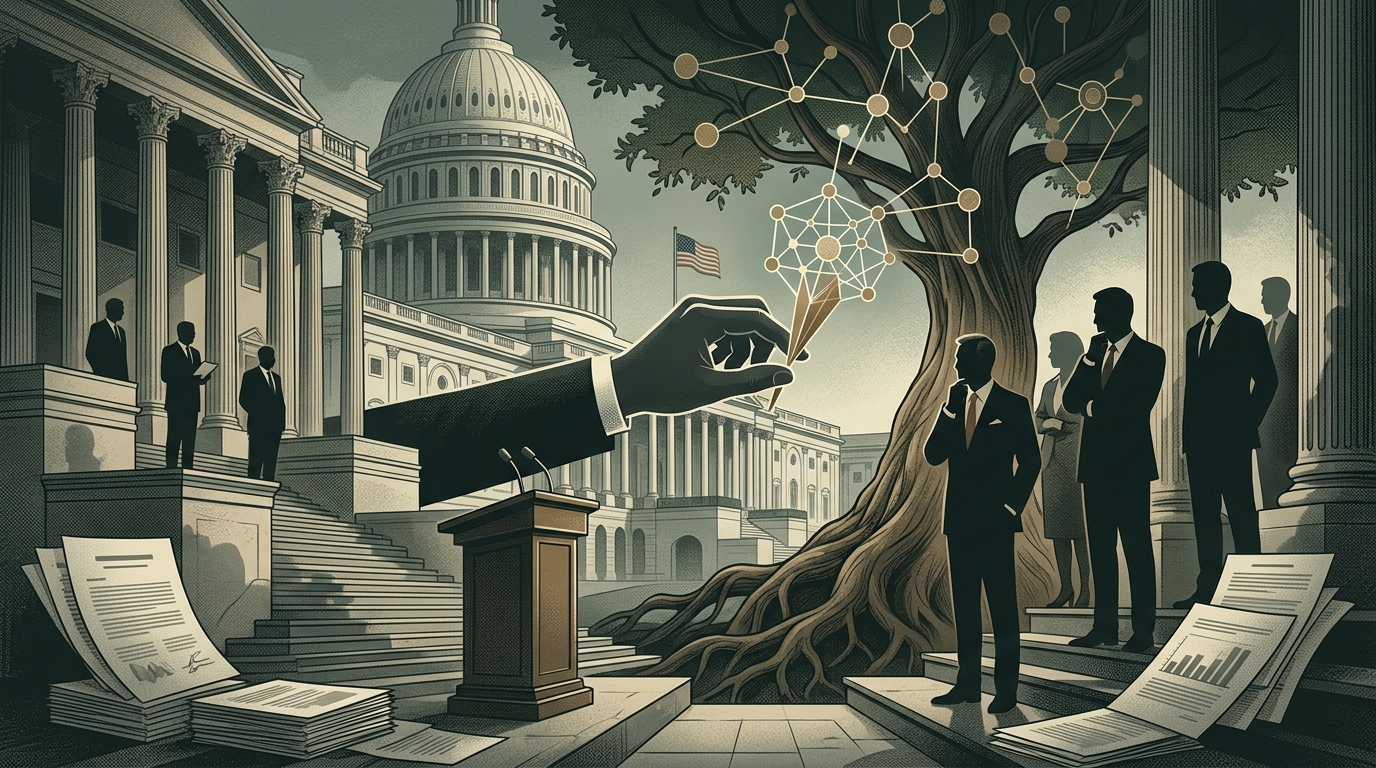
However, the use of AI is not without its perils. There is a persistent fear that algorithms could bake in existing biases or lead to "digital redlining," where specific communities are deemed uninsurable based on opaque criteria. Maine's administration insists that human oversight will remain at the core of the process, with AI serving as a decision-support tool rather than the final arbiter.
The Social Dimension of Technological Transition
Maine's move highlights a broader truth: housing is increasingly becoming a matter of technological and climate policy. If homeowners cannot afford insurance, property values will collapse, triggering chain reactions in the local economy and tax revenues. AI, in this case, serves as an attempt to salvage the social contract between the state and its citizens.
"We cannot control the weather, but we can control how we react to the data it provides," says a state government official.
In conclusion, Maine's initiative is an experiment in whether technology can tame market forces unleashed by the environmental crisis. If successful, it could serve as a blueprint for many other states and nations facing similar dilemmas. The challenge remains to balance algorithmic precision with social equity, ensuring that AI acts as an ally to the citizen rather than another tool for exclusion.