In an announcement set to redefine the global discourse on security and privacy, FBI Director Kash Patel has revealed that the federal agency utilized advanced Artificial Intelligence (AI) tools to identify and neutralize two credible threats of armed school attacks. The disclosure, made during a high-profile interview with the Dallas Express, underscores the law enforcement community's accelerating shift toward algorithmic intervention to predict criminal activity before it manifests.
According to Patel, the FBI’s proprietary AI systems successfully synthesized fragmented data points from social media platforms, digital footprints, and behavioral reports to identify patterns that would have been impossible for human analysts to detect in real-time. "This is no longer science fiction," Patel stated. "This is the reality of protecting our children in a digital-first world." This success is being framed as a landmark achievement for the new FBI leadership, which has placed technological dominance at the core of its operational strategy.
The Mechanics of Prevention: How the System Operates
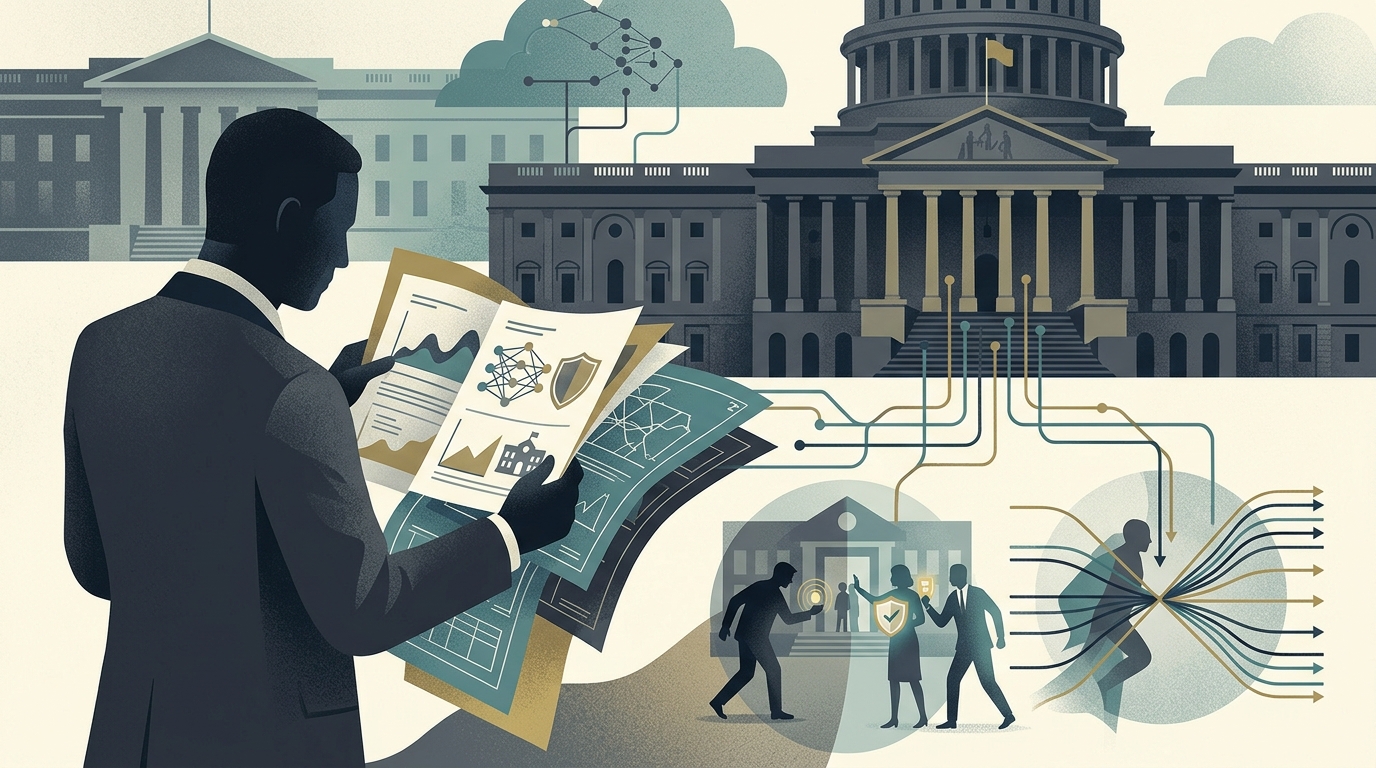
The process that led to the thwarting of these attacks relies on what experts term "sentiment and intent analysis." The FBI’s AI models are trained to scan vast quantities of public data, searching not just for specific keywords, but for the gradual escalation of rhetoric, radicalization, or profound psychological distress that often precedes a mass casualty event. In these two specific cases, the AI flagged digital "manifestos" posted in obscure online forums and linked them to specific firearm purchases and geolocation data.
This ability to synthesize disparate information allows the FBI to intervene during the planning phase. However, this methodology is not without its detractors. Civil liberties advocates are raising alarms about "predictive policing," questioning whether such systems risk penalizing thought or intent, thereby infringing upon fundamental constitutional rights. Patel, for his part, insists that all actions were conducted within the legal framework and with necessary judicial oversight, emphasizing that the alternative—inaction—would have been catastrophic.
The Political Context of the Patel Era
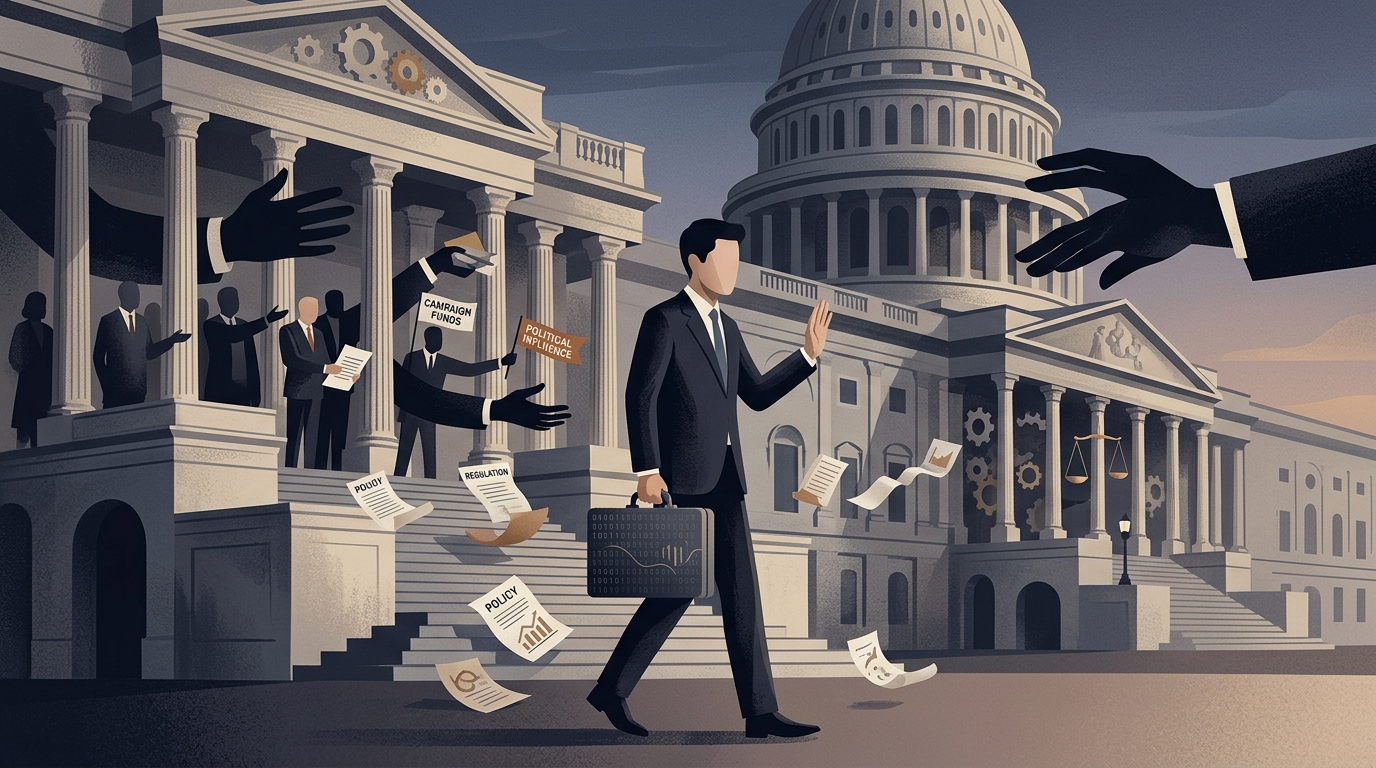
The appointment of Kash Patel as FBI Director was controversial from the outset, given his close ties to the Trump administration and his vocal commitment to dismantling the so-called "deep state." Utilizing AI as a metric of success serves a broader narrative: an FBI that is more efficient, less bureaucratic, and laser-focused on the immediate safety of citizens. The announcement of the thwarted attacks serves as significant political capital, strengthening his position against critics who accuse him of politicizing the bureau.
Furthermore, this move sends a clear signal to the Silicon Valley tech giants. The FBI is no longer merely a consumer of technology but an active participant in the development of security algorithms. This convergence of state power and advanced computing creates a new paradigm of governance, where safety is offered as a trade-off for continuous digital surveillance. The public is now forced to grapple with whether this trade-off is a price worth paying.
Ethical Dilemmas and the Future of Surveillance
While the value of saving human lives is indisputable, the deployment of AI in law enforcement raises profound questions regarding "false positives." What happens when an algorithm misinterprets dark humor, satire, or a teenager’s artistic expression as a credible threat? The potential for stigmatizing innocent individuals is a persistent concern. Moreover, the lack of transparency in these algorithms—often described as "black boxes"—makes oversight by independent bodies exceedingly difficult.
Looking ahead, the integration of AI into the school environment through facial recognition cameras and behavioral analysis software appears inevitable. Patel advocates for the expansion of this technology to every school district in the United States. As we move into the latter half of 2026, the tension between the quest for absolute security and the preservation of absolute liberty is being tested like never before. The FBI's success in stopping these two attacks may be the opening chapter of a new, algorithmically-governed normalcy.