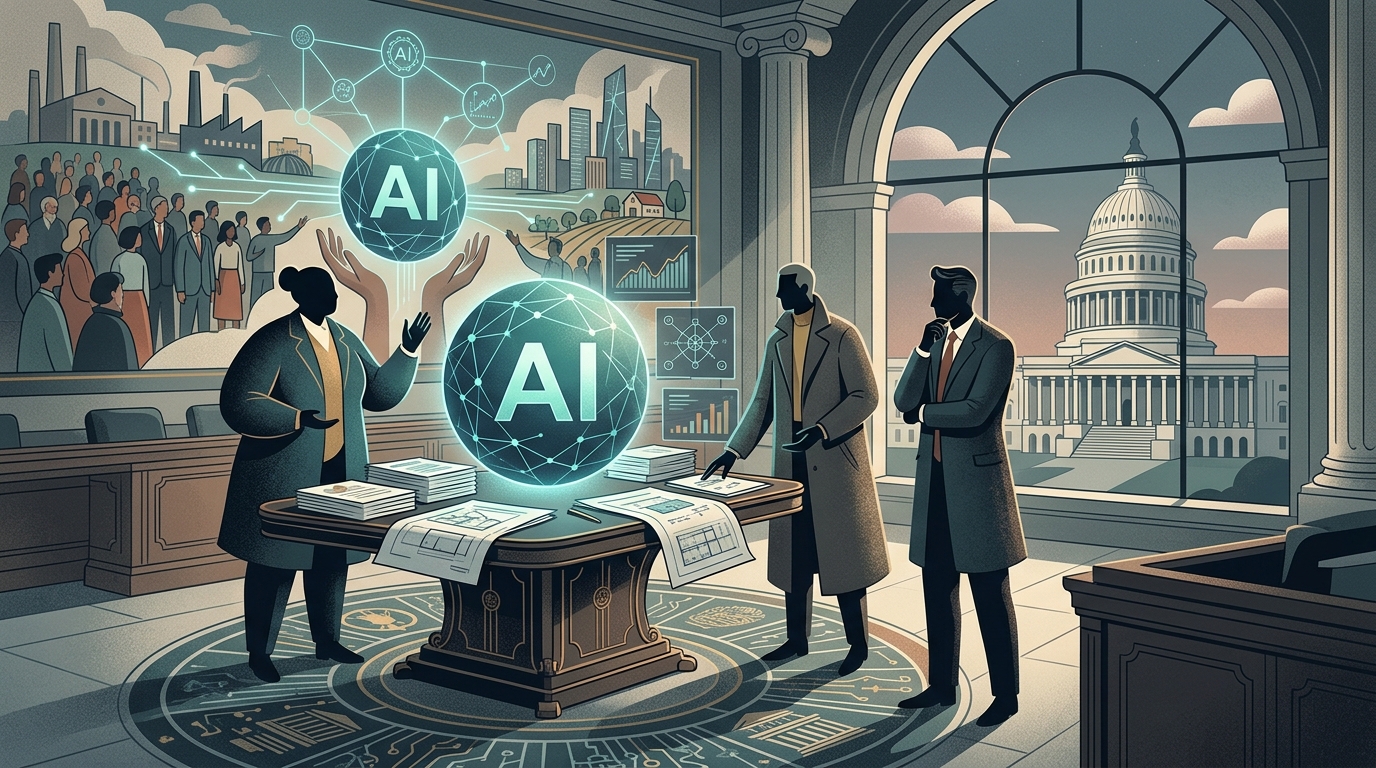
In the 21st century, humanity faces a paradoxical reality: the very intelligence we created to solve our problems threatens to destabilize the foundations of global order. A recent analytical piece in Opinio Juris highlights a grim truth: International Law, a structure built on state sovereignty and slow diplomatic processes, is failing to keep pace with the explosive rate of technological evolution. The convergence of Artificial Intelligence (AI), synthetic biology, and autonomous cyber-systems is creating a "governance gap" that could prove fatal.
The Triple Threat: AI, Bioengineering, and Cyber-Autonomy
The core challenge lies not in any single technology, but in their combined power. AI is no longer just a data-processing tool; it is an accelerator for every other scientific field. In biotechnology, for instance, AI models can now design novel pathogens with a precision that previously required decades of laboratory research. This "democratized" access to weapons of mass destruction renders existing treaties, such as the Biological Weapons Convention (BWC), desperately obsolete.
- Dual-use Dilemma: Technologies developed to cure cancer can, with minimal modification, be repurposed to create bio-weapons.
- Autonomy: AI-driven cyber-weapons can make decisions in milliseconds, making "human-in-the-loop" oversight practically impossible.
- Opacity: The nature of code and biological samples makes monitoring and verification of international treaties extremely difficult.
The Failure of Westphalian Logic
International Law is rooted in the "Westphalian" logic of nation-states controlling their territory. However, AI and cyberspace know no borders. When an algorithm trained in California runs on servers in Ireland and causes damage to infrastructure in Greece, attributing responsibility becomes a legal labyrinth. Traditional methods of treaty-making take years, if not decades, of negotiation. By the time a treaty is ratified, the technology has often mutated three times over.
"We are at a tipping point where risk is no longer linear but exponential, while our legal response remains stubbornly static," the article notes.
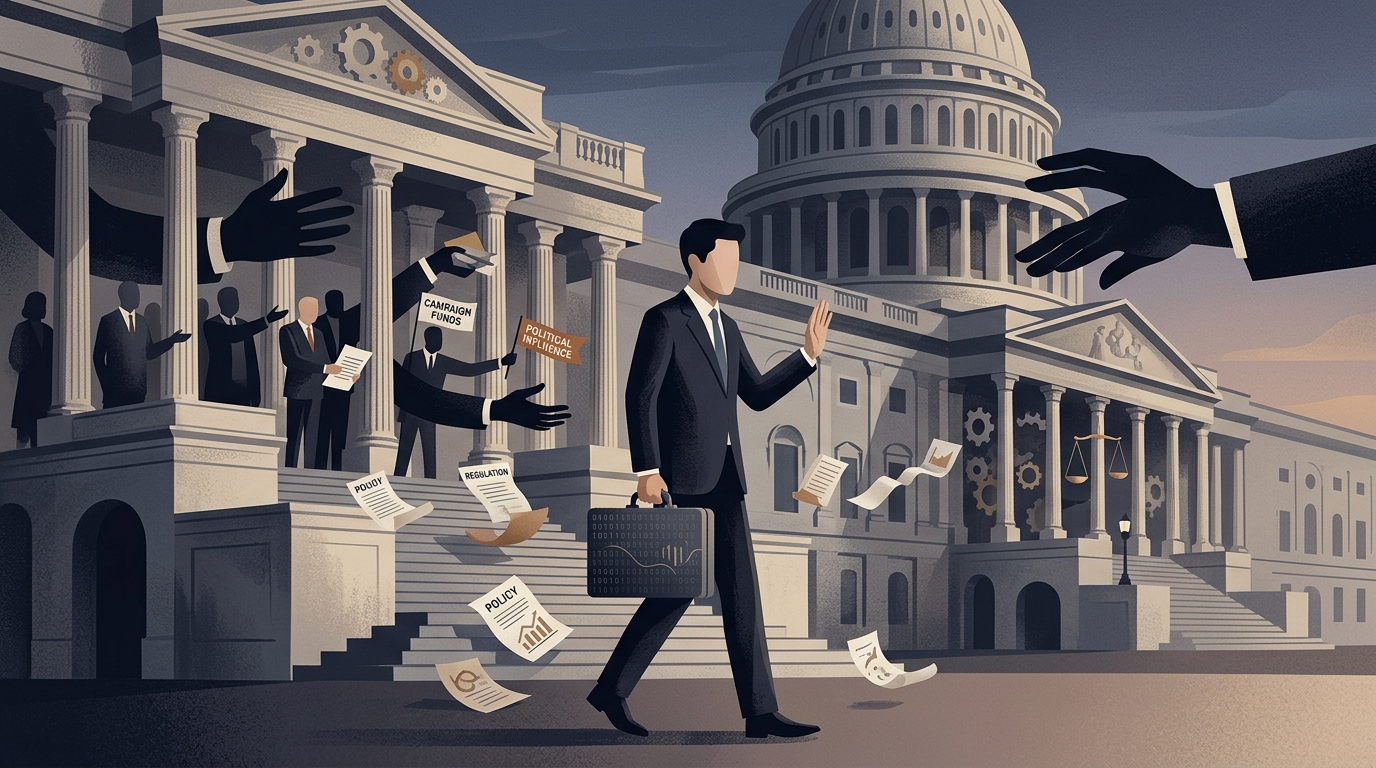
The concept of "sovereignty" is also being tested by the power of Big Tech. Today, companies like OpenAI, Google, or Anthropic wield more influence over global security than many UN member states. Yet, International Law traditionally recognizes only states as subjects with rights and obligations, leaving private entities in a state of semi-immunity.
Toward "Agile Governance"
To bridge this gap, scholars suggest a shift from "hard" treaty law to "soft" governance frameworks. This includes international standards, codes of conduct, and dynamic oversight mechanisms that can be updated in real-time. The creation of an international agency for AI, modeled after the International Atomic Energy Agency (IAEA), is now seen as an urgent necessity.
Furthermore, a new approach to "state responsibility" is required. States must be held accountable not only for the actions of their militaries but also for the regulation of tech giants headquartered on their soil. Algorithmic transparency and strict oversight of high-risk biology labs are no longer matters of national policy; they are matters of global survival.
Conclusion: Humanity's Choice
International Law is not just a set of rules; it is the expression of our collective will to avoid chaos. In a world where technology can engineer life or trigger a digital Armageddon, inaction is the most dangerous path. The challenge for lawyers and policymakers in 2026 is to create a system as fast as code and as resilient as the human need for security. Time is no longer on our side.