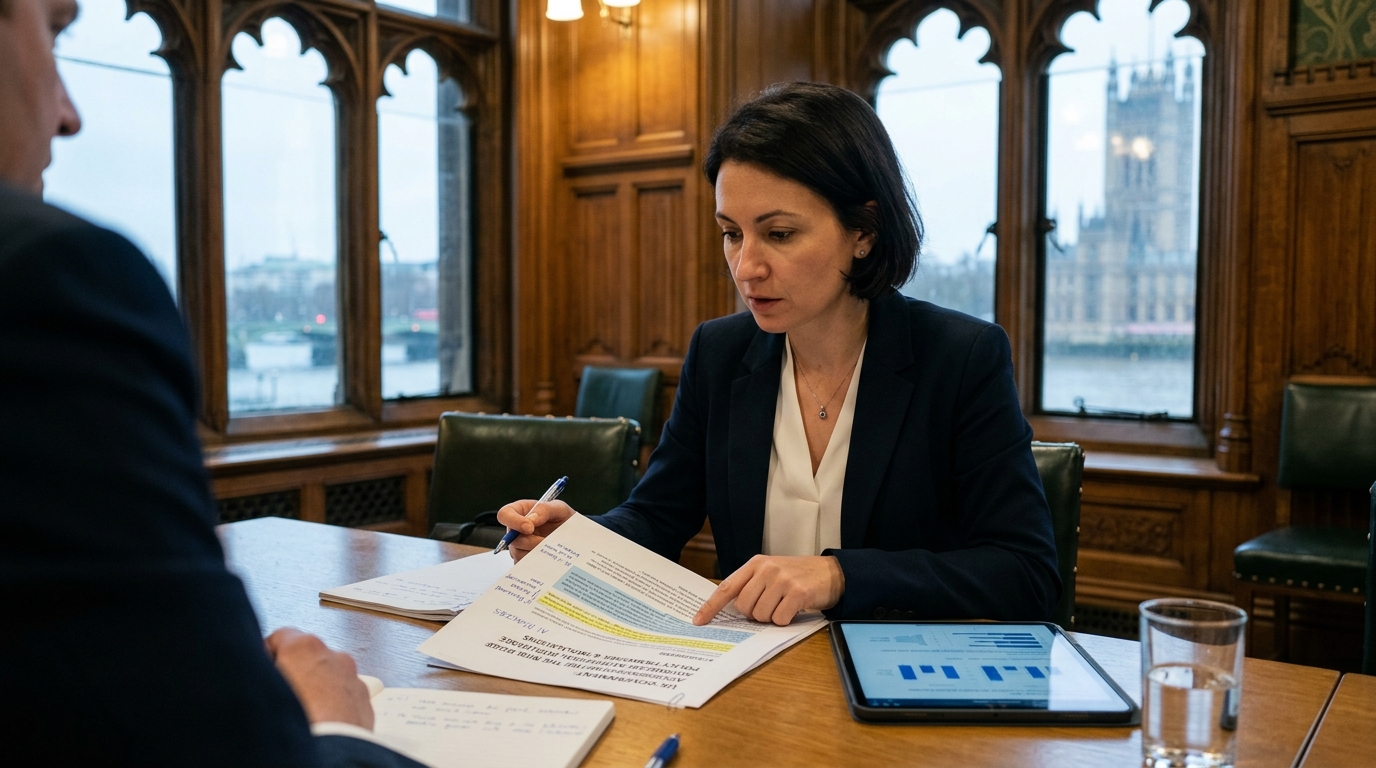
In the heart of London, far removed from the neon glow of Silicon Valley, a team of scientists and coders is engaged in a peculiar war of attrition. The UK AI Safety Institute (AISI), born from the landmark Bletchley Park Summit, stands today as the world’s first serious attempt by a nation-state to "look under the hood" of the most powerful artificial intelligence systems ever built. As of May 2026, their mission has evolved into a critical race against time: identifying latent threats before they manifest as uncontrollable crises.
The Architecture of Oversight: How AISI Operates
The institute is not your typical bureaucratic agency. Staffed by former engineers from Google DeepMind, OpenAI, and elite academia, it functions more like a high-stakes cybersecurity laboratory. Their primary methodology is "red-teaming"—a process where researchers attempt to subvert the models' safety guardrails. These stress tests focus on four primary vectors: cybersecurity, chemical and biological weapon synthesis, societal manipulation, and the risk of loss of control over the system itself.
Recent reports suggest that AISI researchers have successfully bypassed safety protocols in several frontier models, forcing them to generate blueprints for digital viruses or instructions for synthesizing hazardous compounds. "These are not theoretical sci-fi scenarios," says a senior researcher at the institute. "We are talking about the ability of an algorithm to turn an amateur hacker into a national security threat in a matter of minutes."
The Geopolitical Chessboard and Big Tech Relations
The establishment of the AISI was a strategic gamble by the British government to position the UK as the world’s AI regulatory bridge. While the EU opted for a rigid legislative path via the AI Act, and the US relies heavily on voluntary executive orders, London is attempting a middle way. However, the friction point remains the level of cooperation from Big Tech. While firms like Anthropic and Meta have agreed to provide pre-release access to their models, the depth of this access—whether it includes the underlying weights or just an API interface—is a subject of intense negotiation.
- Source code access vs. black-box API testing.
- The velocity of state evaluation vs. the breakneck speed of market releases.
- The "brain drain" of talent moving from the public institute to private firms for massive compensation packages.
In 2026, the AISI expanded its reach by opening a satellite office in San Francisco, placing its staff directly in the "backyard" of the industry's giants. This move was seen as an attempt to close the physical and cultural gap between regulators and developers, potentially allowing for real-time monitoring of model training phases.
Ethical Dilemmas and the Future of Governance
Beyond technical risks, the institute faces profound ethical questions. Who defines what constitutes "dangerous" knowledge? In an era of intense political polarization, AI’s capacity to generate convincing disinformation is an existential threat to democratic stability. The AISI is developing tools to detect "algorithmic bias" and the propensity of models to manipulate users toward specific political ideologies.
"Safety is not a static feature you bolt on at the end of production. It is a continuous process of negotiation with the power of the code," states the institute’s latest annual report.
As models edge closer to Artificial General Intelligence (AGI), the AISI’s task grows exponentially complex. The possibility of "emergent capabilities"—skills the models develop that were never intended by their creators—demands constant vigilance. The ultimate question for the UK is whether this model of voluntary collaboration and technical auditing can survive the pressures of a global arms race for AI supremacy.