In the heart of the American Midwest, Springfield, Illinois, is emerging as a critical battleground for the future of technological governance. Illinois Senate Democrats recently unveiled a comprehensive package of legislative proposals aimed at tackling the darker dimensions of Artificial Intelligence (AI). This move is not merely a local initiative; it is a clear warning to Silicon Valley that the 'Wild West' era of digital development is drawing to a close.
Fortifying Democracy and Personal Dignity
The first and perhaps most urgent prong of the legislation addresses the threat of deepfakes. As we navigate 2026, the technology for generating realistic but false images and videos has reached levels where it is nearly impossible for the average citizen to distinguish fiction from reality. The proposed laws target two specific areas: political disinformation and non-consensual pornography.
Bill SB 3496 seeks to impose strict penalties on those who use AI to deceive voters, particularly during sensitive pre-election periods. The legislators' concern is manifest: if a candidate can be 'seen' in a video saying something they never uttered, the very foundation of democratic consent begins to crumble. Simultaneously, SB 3494 focuses on protecting individuals from having their likeness used in sexual content without consent—a phenomenon that has reached epidemic proportions, disproportionately affecting women and minors.
Algorithmic Transparency and Social Justice
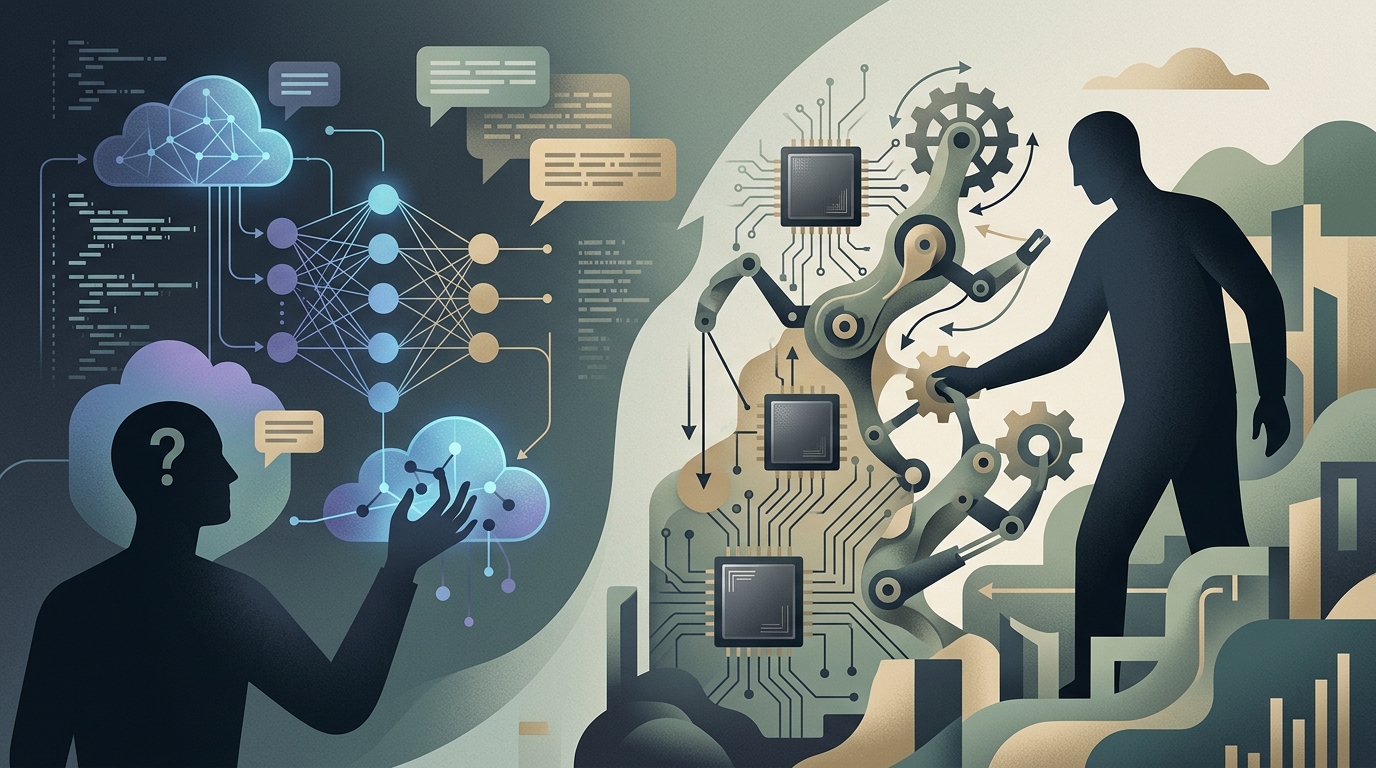
Beyond visual deception, the legislative package delves into the 'black boxes' of algorithms that make life-altering decisions for citizens. Bill SB 2930 is perhaps the most radical, requiring companies to conduct 'algorithmic impact assessments.' This means any AI system used for hiring, lending, or housing must be audited for embedded biases.
Senate Democrats argue that algorithms often reproduce and amplify historical discrimination against minorities. "We cannot allow a 'black box' algorithm to deny someone a job or a home without any explanation or recourse," stated one of the bill's sponsors. The demand for transparency isn't just about the output; it's about the training data, forcing tech giants to reveal exactly how their machines 'think' and what data sets they are consuming.
The Illinois Legacy of Data Protection
Why Illinois? The state has a long-standing tradition of pioneering digital rights. With the landmark Biometric Information Privacy Act (BIPA), Illinois was the first state to levy billions in fines against companies like Facebook and Google for using biometric data without explicit permission. The new AI legislation is viewed as the natural evolution of this protective stance.
However, pushback from the tech industry is significant. Business groups argue that a fragmented regulatory landscape—where each state has its own set of rules—will stifle innovation and make the US less competitive against global rivals like China. The response from Illinois lawmakers is that innovation without ethics is inherently dangerous. The battle in Springfield will determine whether the Illinois model becomes the blueprint for federal legislation or remains an isolated attempt to regulate a global phenomenon.
Conclusion and Future Outlook
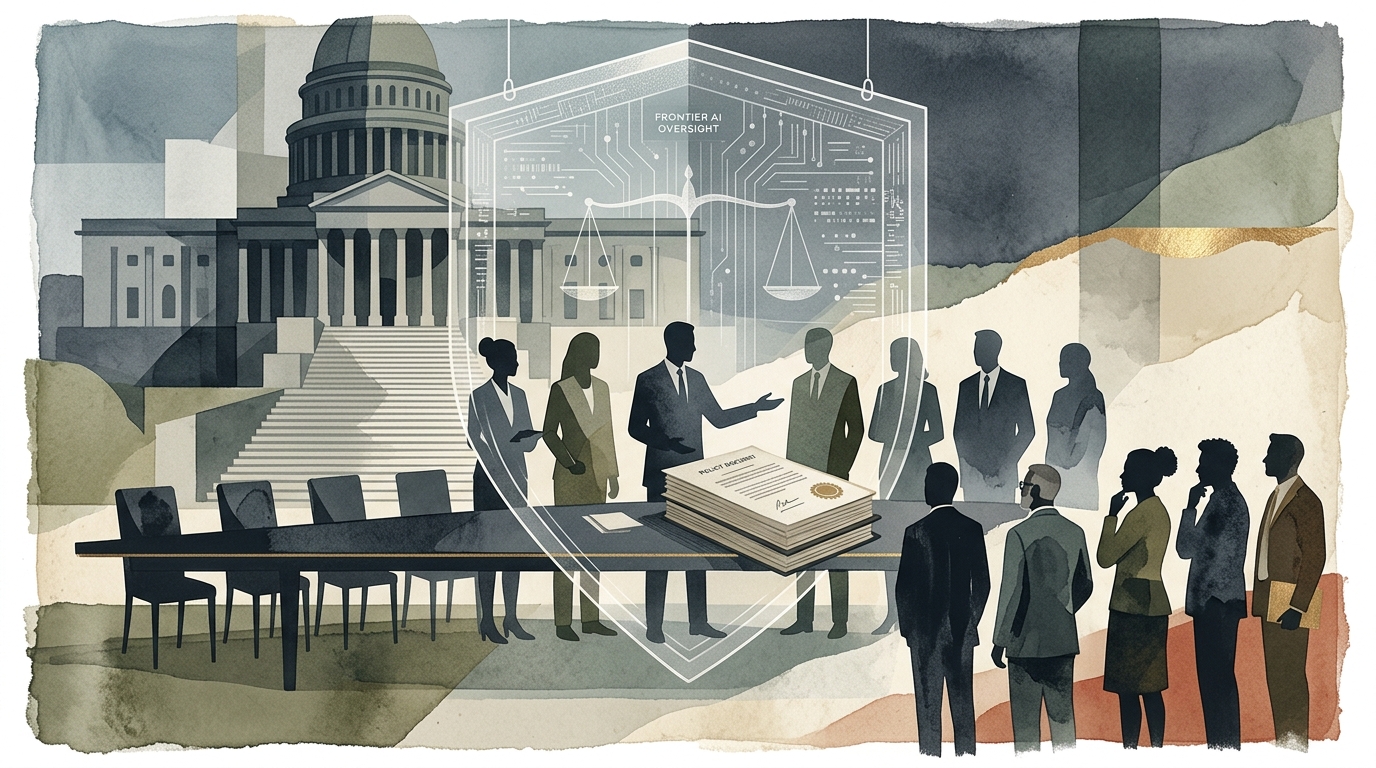
The initiative by Illinois Democrats highlights a fundamental shift in political perception: AI is no longer viewed as a magical tool of progress, but as a powerful infrastructure requiring public oversight. As these bills move toward committee hearings, the debate will sharpen on the details of implementation. How do you define 'intent' in a deepfake? How do you measure 'fairness' in an algorithm? The answers provided in Illinois will resonate globally as humanity attempts to coexist with its own most complex creations.