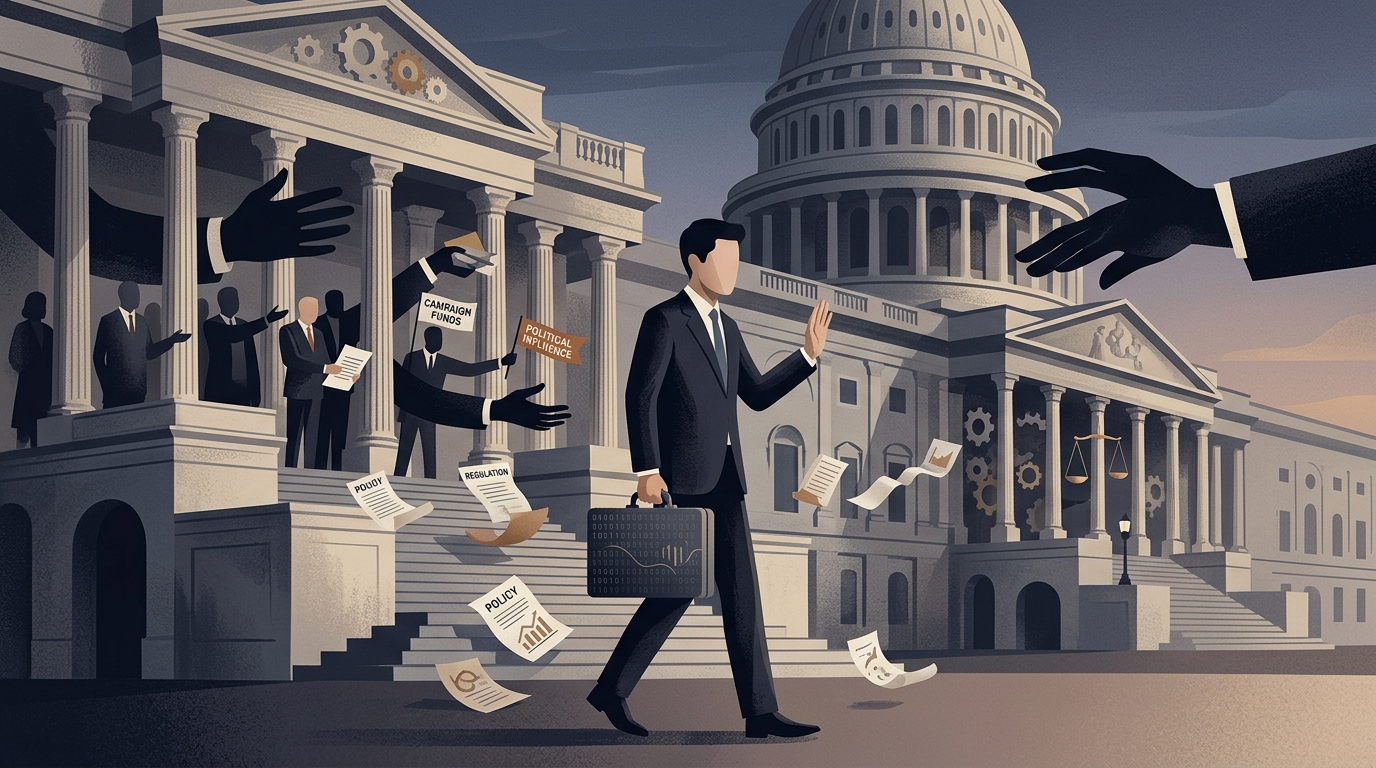
In the corridors of power in Washington, the dust from the signing of the new Executive Order on Artificial Intelligence has yet to settle, but the message is already crystal clear: Silicon Valley has won. After years of facing pressure for tighter regulatory frameworks under the Biden administration, the new direction under Donald Trump marks a radical shift toward deregulation—a move many analysts describe as a "total victory" for Big Tech interests.
Dismantling the Safety Architecture
The previous 2023 executive order, which mandated rigorous testing of AI models before public release, is now a relic of the past. The new approach eliminates requirements for state-funded "red-teaming" and significantly reduces corporate reporting obligations to the Department of Commerce. According to sources cited by The Guardian, the influence of major players like Microsoft, Google, and Meta was decisive in shaping this policy pivot.
The prevailing argument was simple yet effective: excessive regulation stifles American innovation and hands the lead to China. Tech giants successfully convinced the Trump camp that U.S. national security is synonymous with the absolute freedom of private AI firms.
"It is no longer about protecting the public from AI risks, but about protecting American companies from competition and state constraints,"noted one veteran technology policy analyst.
The Billion-Dollar Lobby and 'Accelerationism'
This influence wasn't confined to official white papers. The rise of the "effective accelerationism" (e/acc) movement, backed by billionaires like Marc Andreessen and Elon Musk, played a central role. These figures, who were vocal supporters of the Trump campaign, persistently called for the removal of the "bureaucratic roadblocks" established by the previous administration.
The result is an executive order that prioritizes infrastructure development—such as massive data centers—and energy provision, often bypassing environmental impact assessments. Big Tech didn't just ask for less regulation; they asked for active state support to expand their physical footprint, and they got it. The rhetoric of "free speech" in AI was also used as a Trojan horse to dismantle safety filters that conservative circles deemed "woke" or "biased."
Geopolitics as a Shield
One of the most potent cards played by tech giants was the threat of Chinese dominance. The new order treats AI not as a social tool requiring boundaries, but as a strategic weapon. By framing AI as a modern-day "Manhattan Project," companies ensured that any attempt to impose ethical rules would be viewed as an act of undermining national interest.
However, critics warn that this approach leaves gaping holes in critical areas. Intellectual property protection, labor displacement, and the proliferation of deepfakes have been relegated to the sidelines. Big Tech has succeeded in moving accountability from mandatory to voluntary—a tactic that has historically proven ineffective at protecting consumers and democratic stability.
Conclusion: A New Balance of Power
The Trump executive order is more than just a policy shift; it is a declaration of political power yielding to technological might. For Silicon Valley firms, the coming years look like a golden era of minimal oversight and maximum state backing. For society, however, the question remains: who will watch the watchers when innovation moves faster than democratic oversight? History will judge whether "unbridled innovation" leads to a new renaissance or an uncontrollable security crisis.