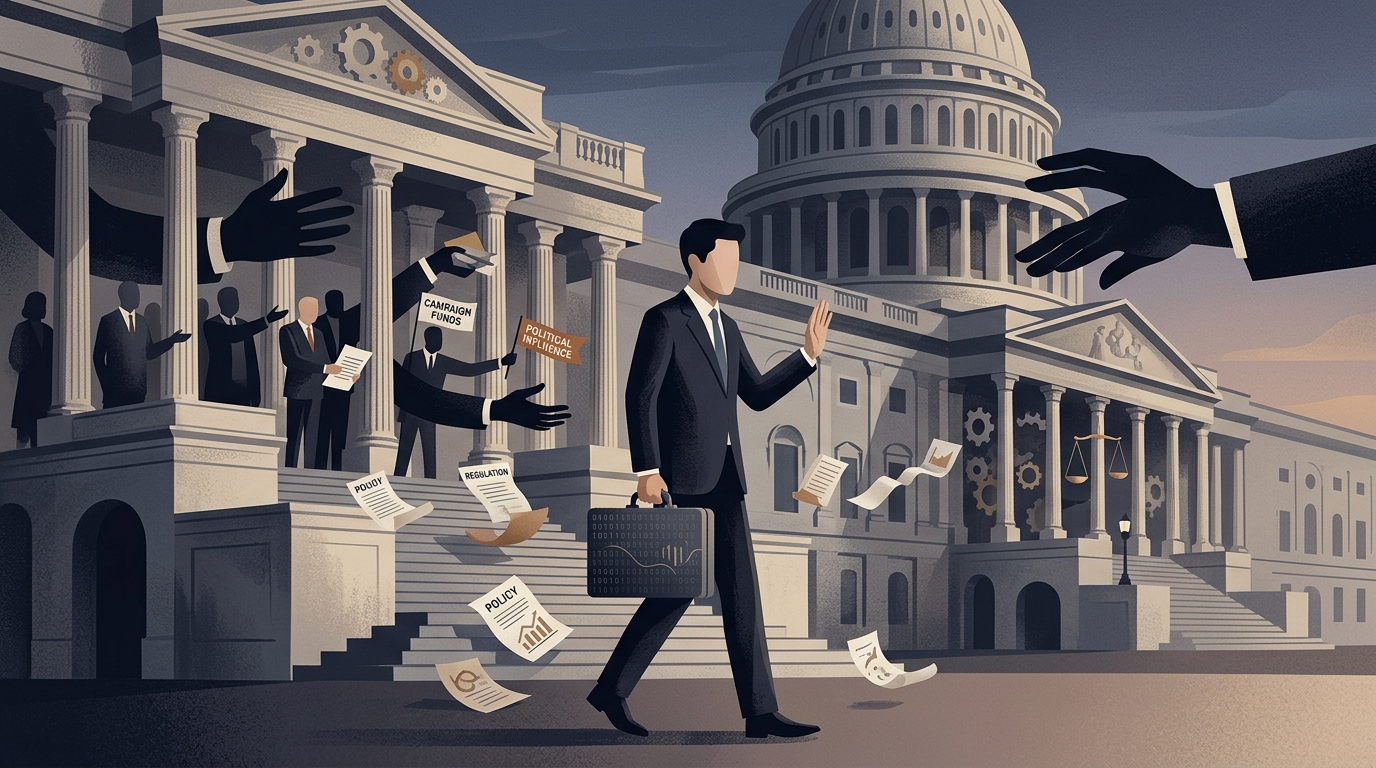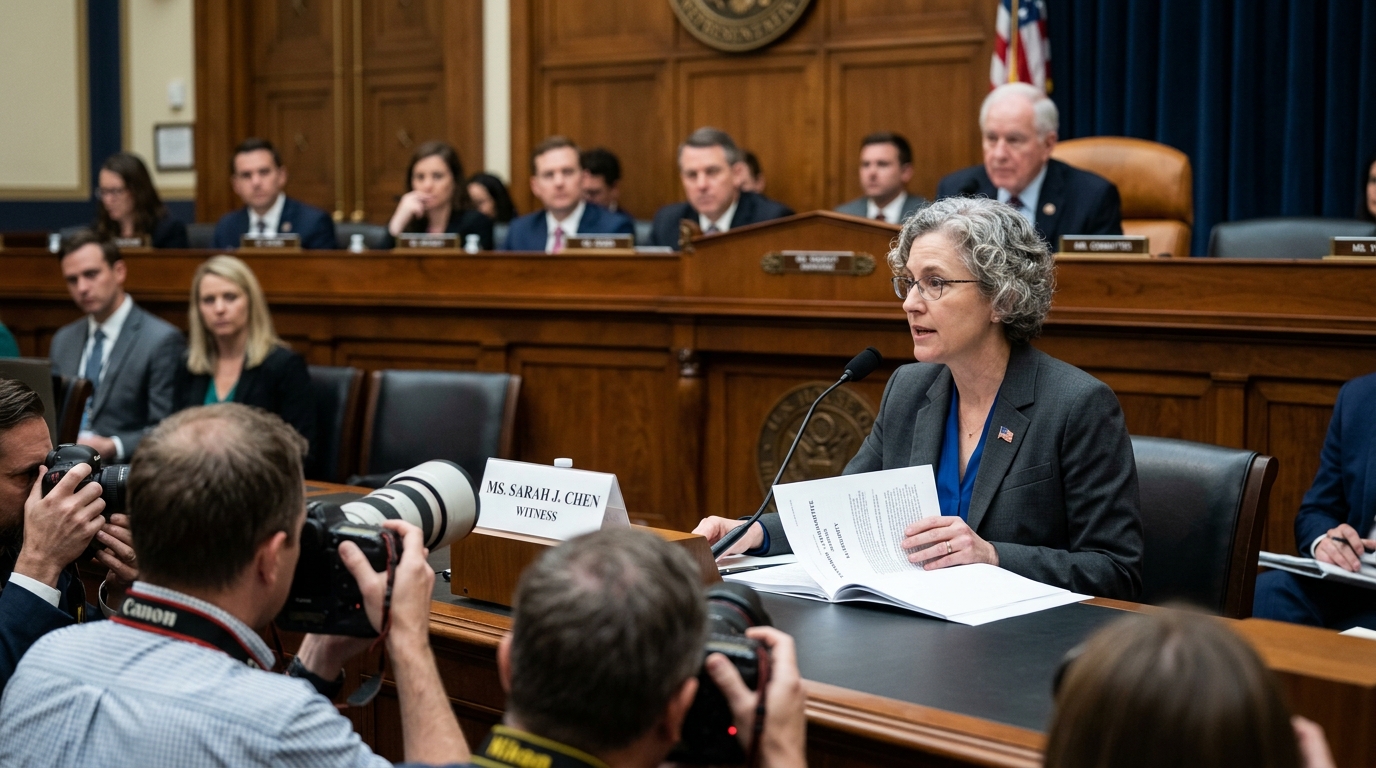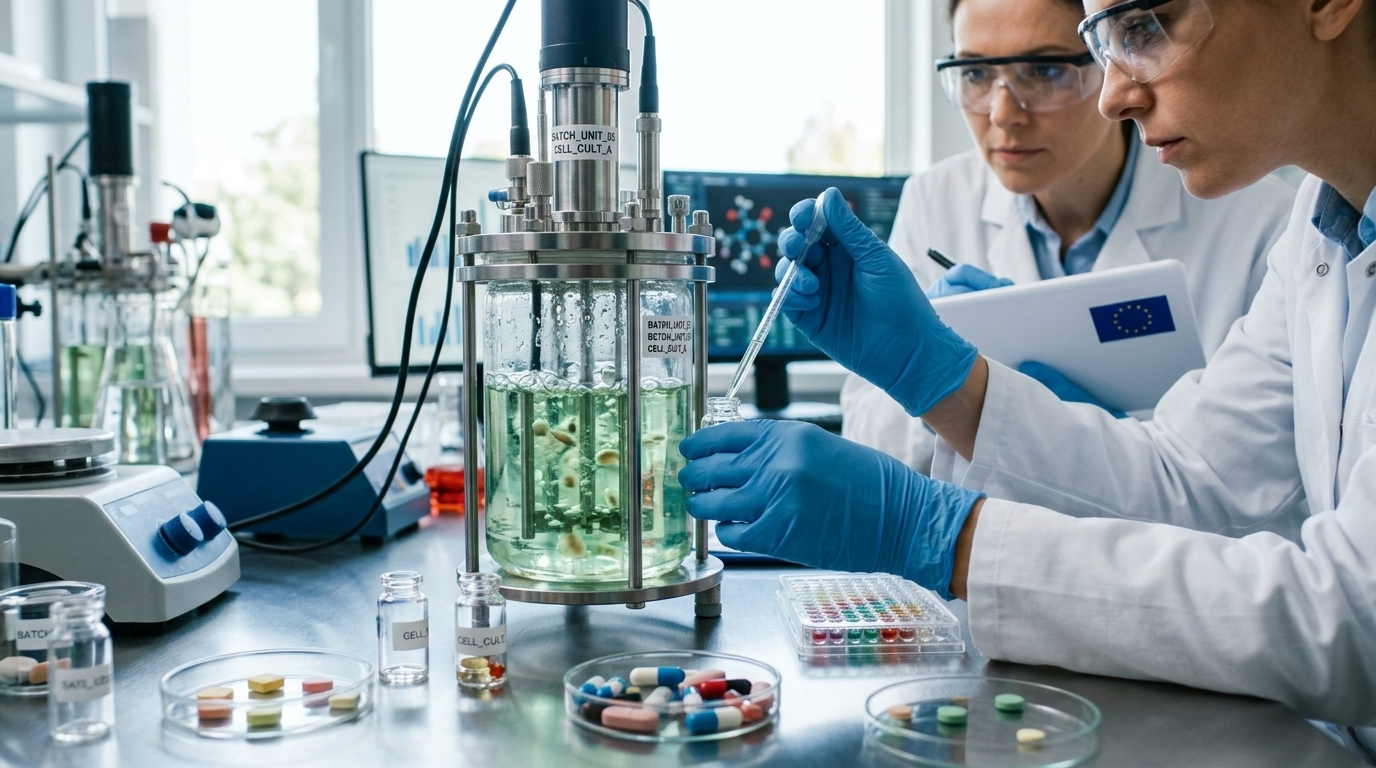
The COVID-19 pandemic served as a violent wake-up call for the European continent. After decades of deindustrialization and the outsourcing of Active Pharmaceutical Ingredient (API) production to Asia, Europe found itself facing empty pharmacy shelves and a dangerous reliance on third countries, primarily China and India. Today, the European Union appears to be correcting its course with the historic agreement on the Critical Medicines Act, marking a fundamental shift in its economic and healthcare model.
The End of the Tyranny of the Lowest Price
For years, European procurement policy in the pharmaceutical sector was guided by a single criterion: the lowest possible cost. National health organizations, in their effort to reduce expenditures, pushed generic prices to levels that made production within Europe economically unviable. The result was a mass exodus of factories to the East. According to recent data, 40% of finished medicines consumed in the EU originate from third countries, while for active ingredients, this figure reaches a staggering 80%.
With the Critical Medicines Act, the EU is introducing criteria that go beyond price for the first time. Security of supply, environmental standards, and social responsibility are now becoming part of the tender equation. This means that a European pharmaceutical company, despite higher labor and energy costs, will be able to compete on equal terms with an importer from Asia, as 'proximity' and 'reliability' are finally assigned a monetary value.
Strategic Autonomy and Geopolitics
This move is not just about healthcare; it is deeply geopolitical. Within the framework of 'de-risking' from China, Brussels recognizes that medicine is as strategic a commodity as energy or semiconductors. The list of 'critical medicines' now includes over 200 substances, ranging from common antibiotics and insulin to oncological treatments, the shortage of which could trigger social instability.
The creation of a Critical Medicines Alliance aims to coordinate member states for joint procurement and the stockpiling of strategic reserves. Furthermore, incentives are planned for the re-shoring of production units to European soil through financial tools and the simplification of licensing procedures. This represents a massive opportunity for countries with a strong domestic pharmaceutical industry, such as Greece, which already possesses the infrastructure and human capital to lead in this new era.
Challenges and the Cost of Resilience
Despite the optimism, the road to autonomy is not without its hurdles. Returning production to Europe implies higher costs for healthcare systems already strained by aging populations. The question arises: who will pay the 'security premium'? Governments will have to balance fiscal discipline with the need for guaranteed access to medicines.
Moreover, the energy crisis remains an open wound. The production of chemical substances for medicines is energy-intensive, and as long as Europe struggles with high energy prices, competition with the US or Asia will remain unequal. The success of the Critical Medicines Act will ultimately depend on the speed of implementation and the cohesion of member states. If Europe manages to transform health into a pillar of its industrial renaissance, then the pandemic crisis will have left behind a truly valuable legacy.