The European Union, long positioning itself as the world’s 'referee' for technology, appears to be reaching a critical realization: being a regulator is insufficient without a vibrant productive core. In a provisional agreement that has sent ripples through Brussels, negotiators have reached a consensus to simplify the regulatory framework for Artificial Intelligence (the AI Act), aiming to drastically reduce the administrative burden on enterprises.
This decision is not merely a technical adjustment; it is a strategic pivot. As the United States and China continue to dominate the landscape of large language models (LLMs), Europe faced a harsh reality: excessive compliance requirements risked strangling the continent's few promising startups, such as France’s Mistral or Germany’s Aleph Alpha, before they could even scale their operations.
Decentralizing Compliance and the Rise of 'Regulatory Sandboxes'
At the heart of the new agreement is the streamlining of procedures for AI systems deemed 'low risk.' Previously, critics of the AI Act argued that documentation requirements were so labyrinthine that only Big Tech giants, with their armies of legal consultants, could hope to comply. The new direction introduces automated compliance tools and reduces the frequency of mandatory reporting for Small and Medium-sized Enterprises (SMEs).
Furthermore, the EU is strengthening the institution of 'regulatory sandboxes.' These are controlled environments where companies can test innovative AI products under the supervision of authorities, without the immediate threat of fines should something go wrong during the development phase. This approach aligns more closely with the Silicon Valley model, where learning through trial and error is an integral part of the process.
Political Pressures and the Specter of Protectionism
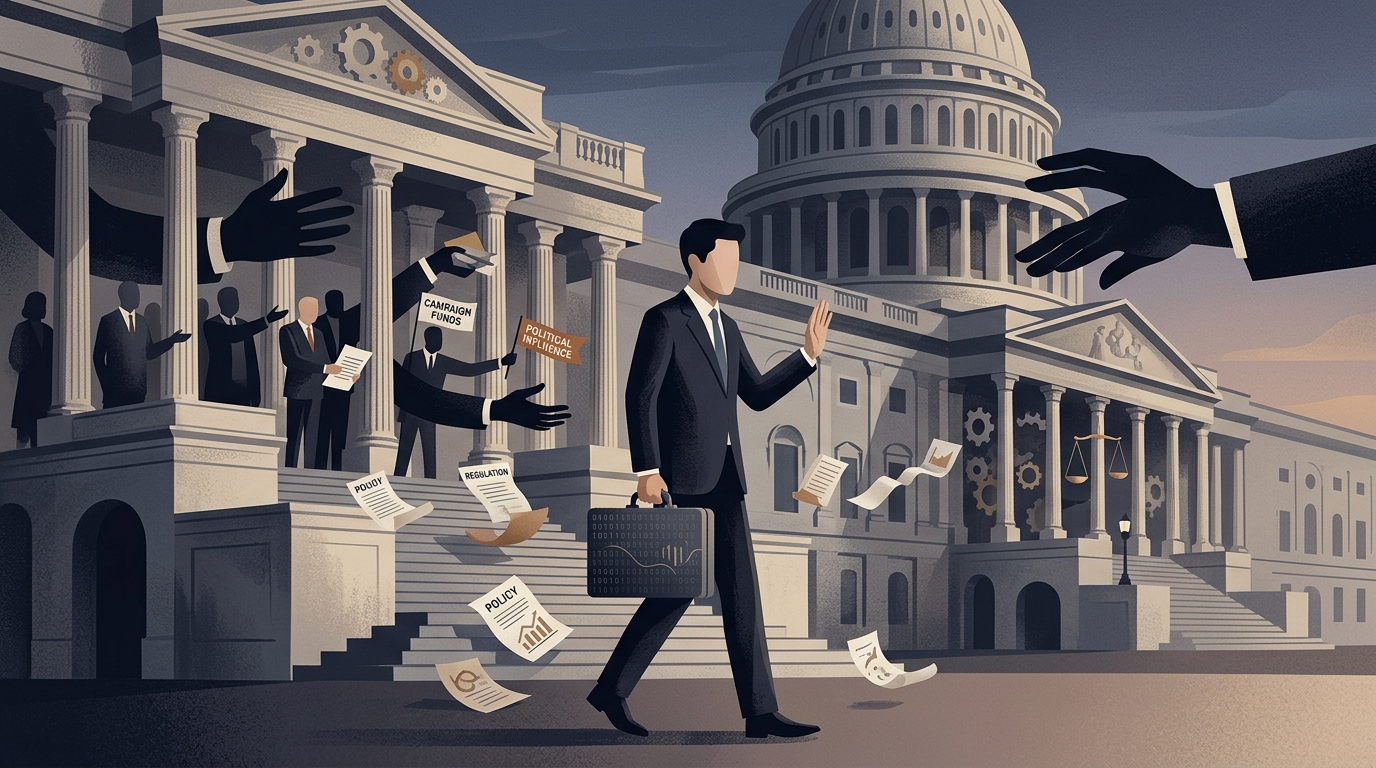
This move did not occur without internal friction. Nations like France and Germany lobbied heavily for this simplification, fearing that a rigid implementation of the original AI Act would render European firms uncompetitive. On the other side, digital rights organizations are voicing concerns that 'simplification' might serve as a Trojan horse for diluting safety and ethical standards.
The question looming over the Berlaymont is whether Europe can remain true to its values—such as transparency and privacy protection—while simultaneously racing to catch the generative AI train. The simplification of rules suggests that the EU is now choosing a more 'pragmatic' path, acknowledging that over-regulating a sector that evolves weekly is a battle lost from the start.
Impact on the Global Stage
With this move, the EU is sending a signal across the Atlantic. While the US grapples with its own regulatory uncertainty through executive orders, Europe is attempting to offer a clear, yet now less onerous, legal framework. If this strategy succeeds, Europe might attract investments seeking the stability of a regulated environment without the weight of suffocating bureaucracy.
However, the challenge remains: implementation. The establishment of the 'AI Office' in Brussels will be key. If this new body functions as a partner to businesses rather than just another auditing mechanism demanding piles of paperwork, then the simplification will have achieved its purpose. Otherwise, Europe will remain the 'music critic' in a world where others are writing the songs.