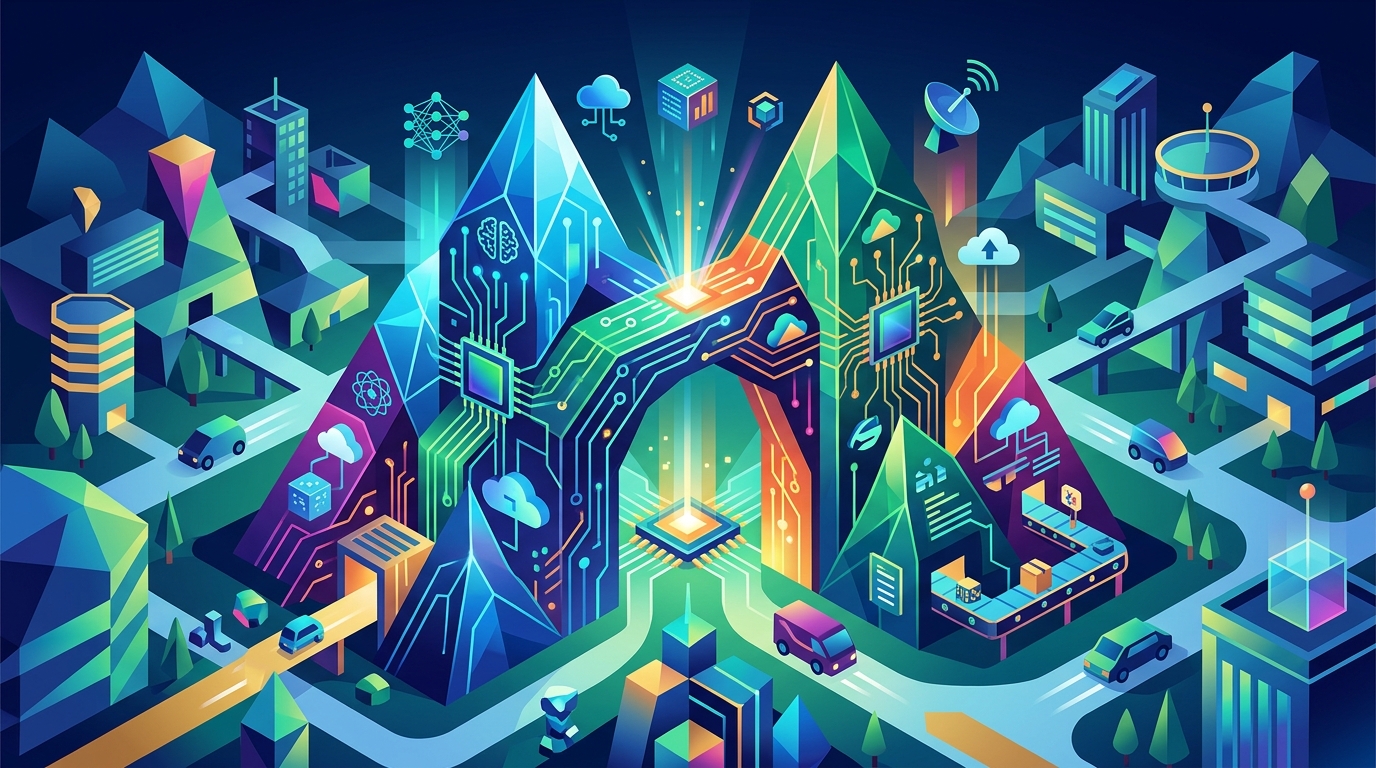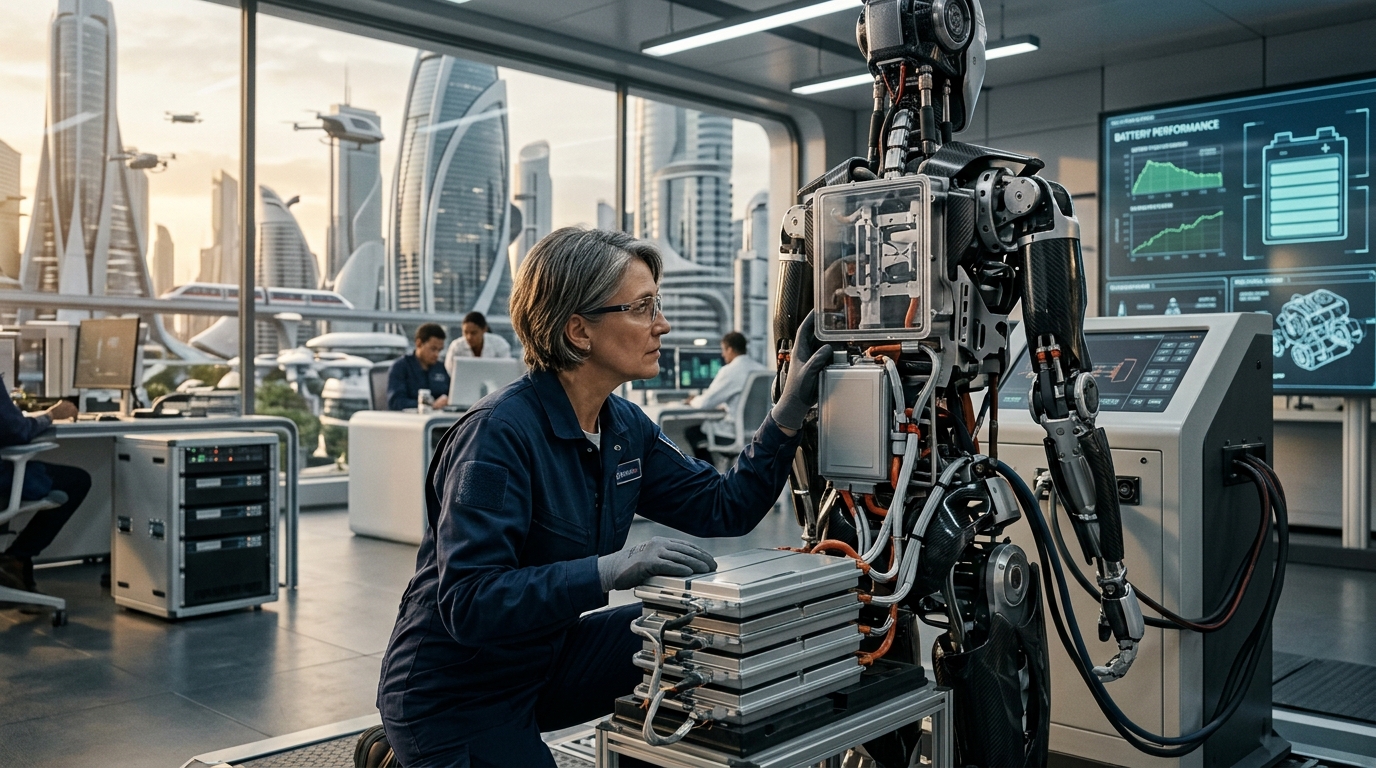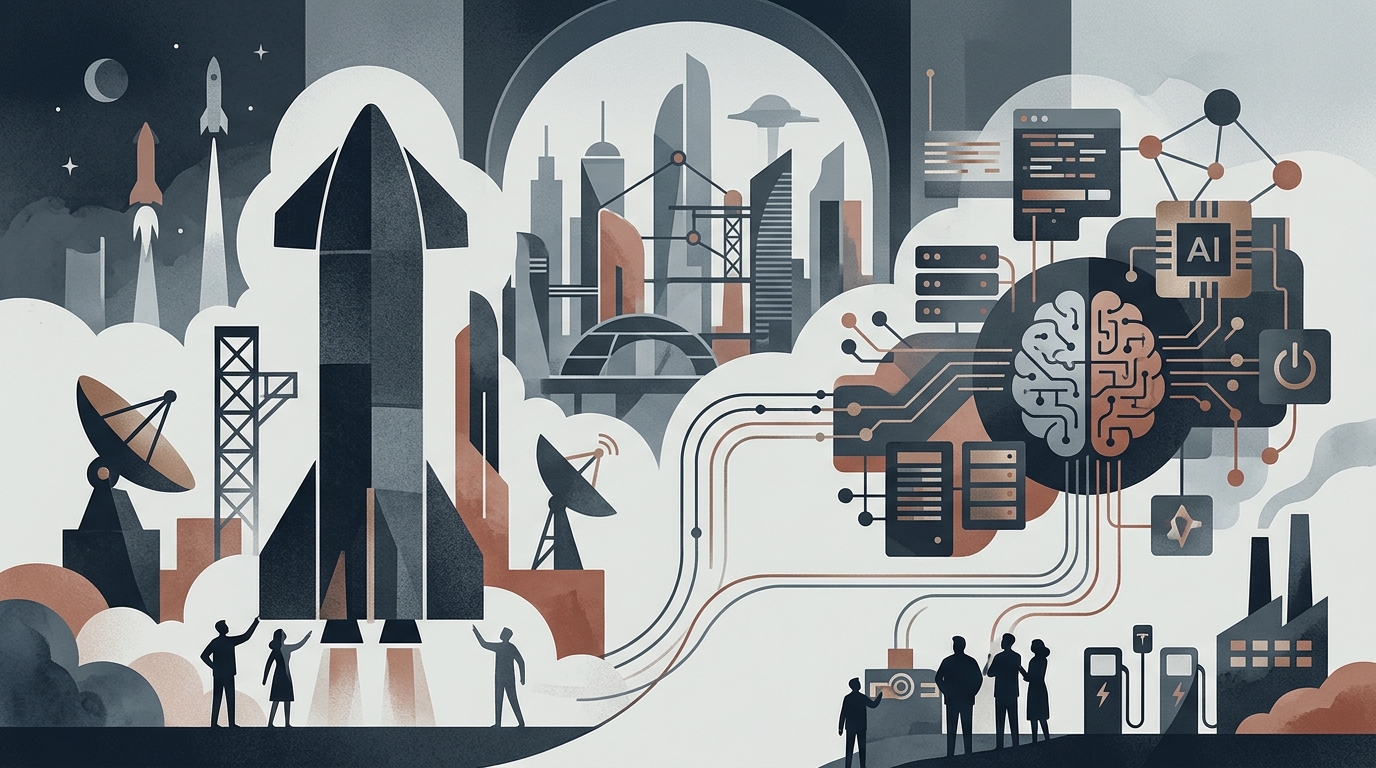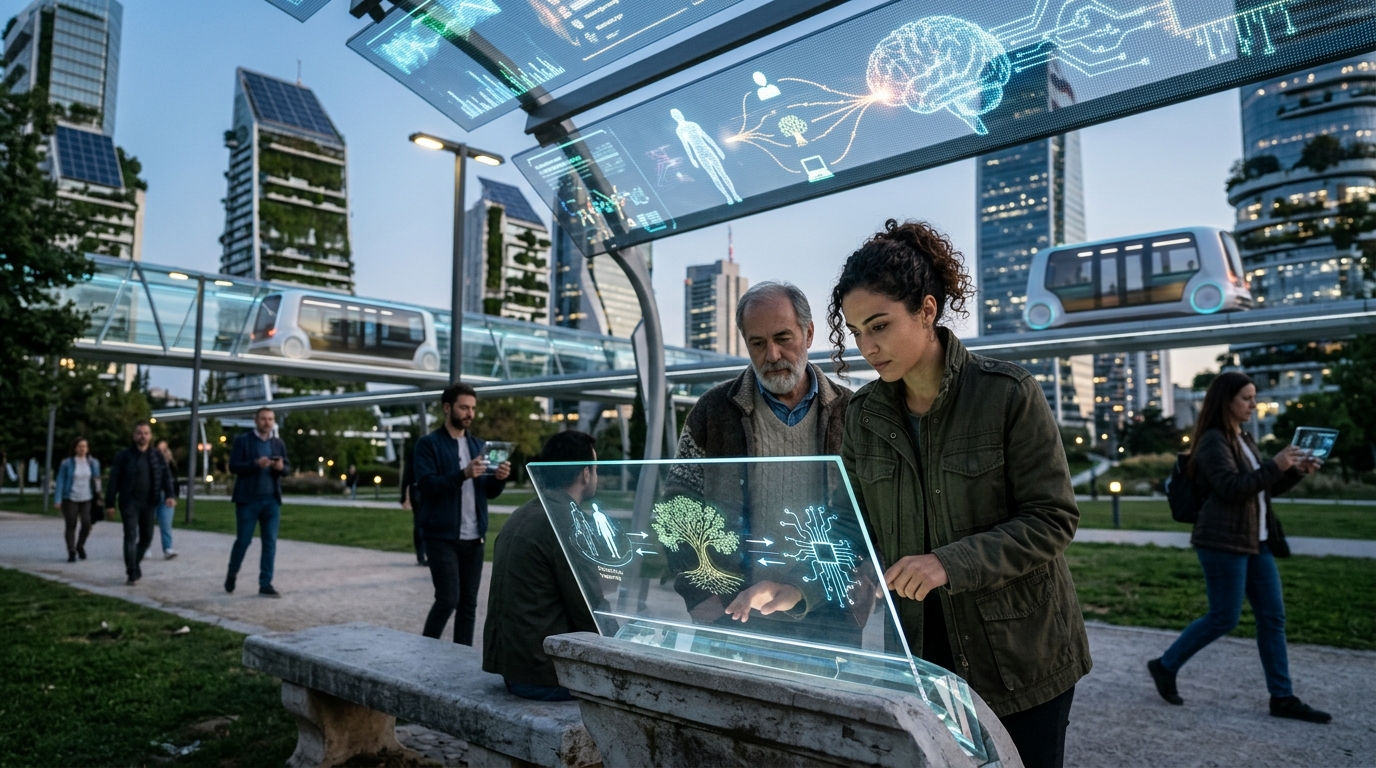
At the dawn of the third decade of the 21st century, the conversation surrounding Artificial Intelligence (AI) is often confined to technical specifications, parameter counts, and raw computational power. However, a new philosophical and scientific framework is emerging, one that positions AI not as an isolated technological feat, but as part of a broader 'Interconnected Intelligence.' This framework encompasses three fundamental pillars: biological (living), ancestral (cultural and evolutionary), and artificial intelligence. Understanding this synthesis is essential to comprehending where our civilization is headed.
Biological Intelligence as the Archetype
Biological intelligence, the product of billions of years of evolution, remains the most complex and efficient information-processing system known to man. From the neuroplasticity of the human brain to the collective intelligence of ant colonies and the mycelial networks beneath forest floors, nature solved optimization and survival problems long before the invention of the transistor. Modern AI attempts to mimic these structures through neural networks, yet it often overlooks the 'embodied' nature of biological cognition. Living intelligence is not merely data processing; it is sensing, feeling, and interacting with the environment in real-time.
The integration of biological principles into technology—what we call biomimicry—is no longer just about hardware. It is about creating algorithms that learn like children, exhibit curiosity, and adapt to unpredictable changes without requiring massive training datasets. The 'living' dimension of interconnected intelligence reminds us that cognition is a vital process, inextricably linked to the preservation of life and the rhythms of the natural world.
Ancestral Knowledge: The Database of Time
Artificial Intelligence was not born in a vacuum. It is fed by the sum of human knowledge, from ancient texts and oral traditions to contemporary scientific journals. This is the 'ancestral' component of intelligence. Every word generated by a Large Language Model (LLM) carries the imprint of thousands of years of human experience, ethics, and culture. Ancestral intelligence is how societies encode their wisdom to pass it on to future generations.
However, a risk exists: AI could become alienated from its roots if used solely as a tool for automation. The true challenge lies in using technology to highlight and protect this ancestral knowledge, especially that of indigenous populations or marginalized cultures, which often possess deep insights into ecological balance. Interconnected intelligence requires us to view AI as a continuator of human history rather than its replacement. It is a bridge between the deep past and the silicon future.
Artificial Intelligence: The Accelerator and the Mirror
Artificial Intelligence serves as the third pillar, acting as both an accelerator and a mirror. As an accelerator, it allows us to process information at scales the human brain cannot grasp, unlocking secrets of genomics or climate modeling. As a mirror, it forces us to re-examine what it means to be a sentient being. When a machine can compose poetry or solve complex mathematical proofs, our focus shifts from 'execution' to 'intent' and 'creativity.'
The convergence of these three forms of intelligence creates a new ecosystem. Imagine AI systems that do not rely solely on static data but are connected to biological sensors monitoring forest health (living) and guided by ethical principles tested over centuries (ancestral). This holistic approach can provide solutions to the great crises of our time, from climate collapse to social inequality, by harmonizing mechanical speed with biological wisdom.
The Challenge of Symbiosis
The path toward interconnected intelligence is fraught with obstacles. The dominance of Big Tech threatens to commodify our ancestral heritage. Furthermore, decoupling technology from its biological substrate could lead to a 'dry' intelligence—capable of calculation but devoid of empathy. The ethics of interconnected intelligence demand a new social contract where technology serves life and culture, not the other way around.
- Protecting the intellectual property of ancestral and indigenous knowledge.
- Developing bio-compatible technologies with minimal environmental footprints.
- Maintaining human judgment as the final arbiter in critical decision-making.
- Fostering interdisciplinary research between biology, history, and computer science.
In conclusion, the intelligence of the future will not be merely 'artificial.' It will be a synthesis. A continuum that connects our neurons with our codes, and the myths of our ancestors with the algorithms of tomorrow. In this interconnected network, humanity is called to play the role of the orchestrator, ensuring that the symphony of intelligence continues to resonate with respect for life and history.