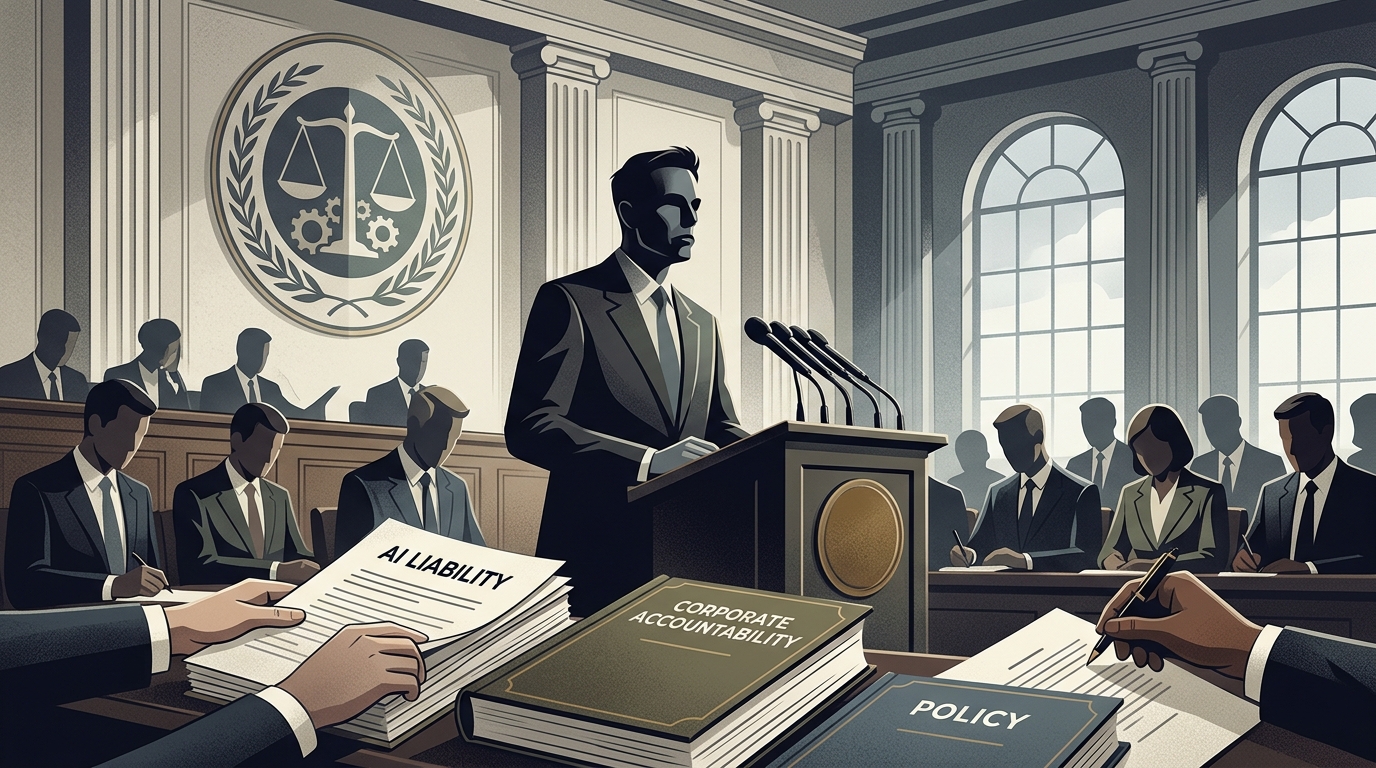
The history of technology is often written in laboratories and garages, but its fate is frequently sealed in courtrooms. This coming Tuesday, San Francisco will become the center of global attention as Elon Musk, a man synonymous with disruptive innovation, is called to testify in a case that transcends the boundaries of a simple corporate dispute. This testimony is not just about him or his companies; it is about the very essence of accountability in the age of Artificial Intelligence.
The Autopilot Paradox and Legal Reality
At the heart of this legal battle lies Tesla's Autopilot and Full Self-Driving (FSD) system. For years, Musk has promised a revolution in transportation, claiming that AI could drive better and safer than humans. However, the gap between marketing rhetoric and engineering reality has created a legal vacuum. Plaintiffs argue that Musk’s language encouraged a dangerous complacency, leading to accidents that could have been avoided.
Tuesday's testimony is expected to focus on what Musk knew about the system's limitations and when he knew it. For legal analysts, this is the "smoking gun" moment for AI. If the court finds that promises of autonomy were misleading, it will set a massive precedent for every company developing AI algorithms. Responsibility will no longer rest solely on the code, but on the leaders who promote it as infallible.
Clashes with Regulators and the Future of X
Beyond Tesla, Musk's presence in court carries the weight of his recent conflicts with global regulators, particularly regarding the X platform (formerly Twitter). At a time when the European Union is implementing the Digital Services Act (DSA) and the US is debating stricter oversight of social media algorithms, Musk represents resistance to state intervention. His testimony will be closely scrutinized for clues on how he intends to manage AI in content moderation and the fight against disinformation.
The question hanging over the courtroom is whether a private individual can hold so much power over public communication and transportation infrastructure without being subject to traditional checks and balances. Musk has repeatedly challenged the authority of the SEC and other bodies, but the California judiciary has proven less tolerant of the eccentricities of Silicon Valley billionaires.
Corporate Governance and the Cult of Personality
Another critical aspect of the case is corporate governance. Musk’s influence over his companies' boards is legendary, yet problematic. The testimony will touch upon transparency and whether shareholders are properly informed about the risks inherent in his ambitious technological commitments. In a world where Tesla’s market capitalization relies heavily on the expectation of fully autonomous AI, any crack in Musk’s credibility could trigger financial tremors.
This testimony serves as a test of whether the justice system can keep pace with the speed of technological evolution. As AI becomes increasingly integrated into our daily lives—from the cars we drive to the information we consume—the need for clear legal frameworks becomes imperative. Musk, by taking the stand, unwittingly becomes the catalyst for a new era of accountability, where innovation is no longer an excuse for a lack of due diligence.
"The law must be the anchor for the high-speed vessel of innovation, otherwise, we risk drifting into a sea of unaccountable power."
Conclusion: A Precedent for the AI Era
Ultimately, Tuesday will not just be a day of legal proceedings. It will be a day when society confronts the question: Who monitors the monitors of technology? Musk's performance and the subsequent rulings will likely dictate the regulatory climate for AI for years to come. The era of 'move fast and break things' is facing its most significant legal challenge yet, as the 'things' being broken are now matters of public safety and democratic integrity.