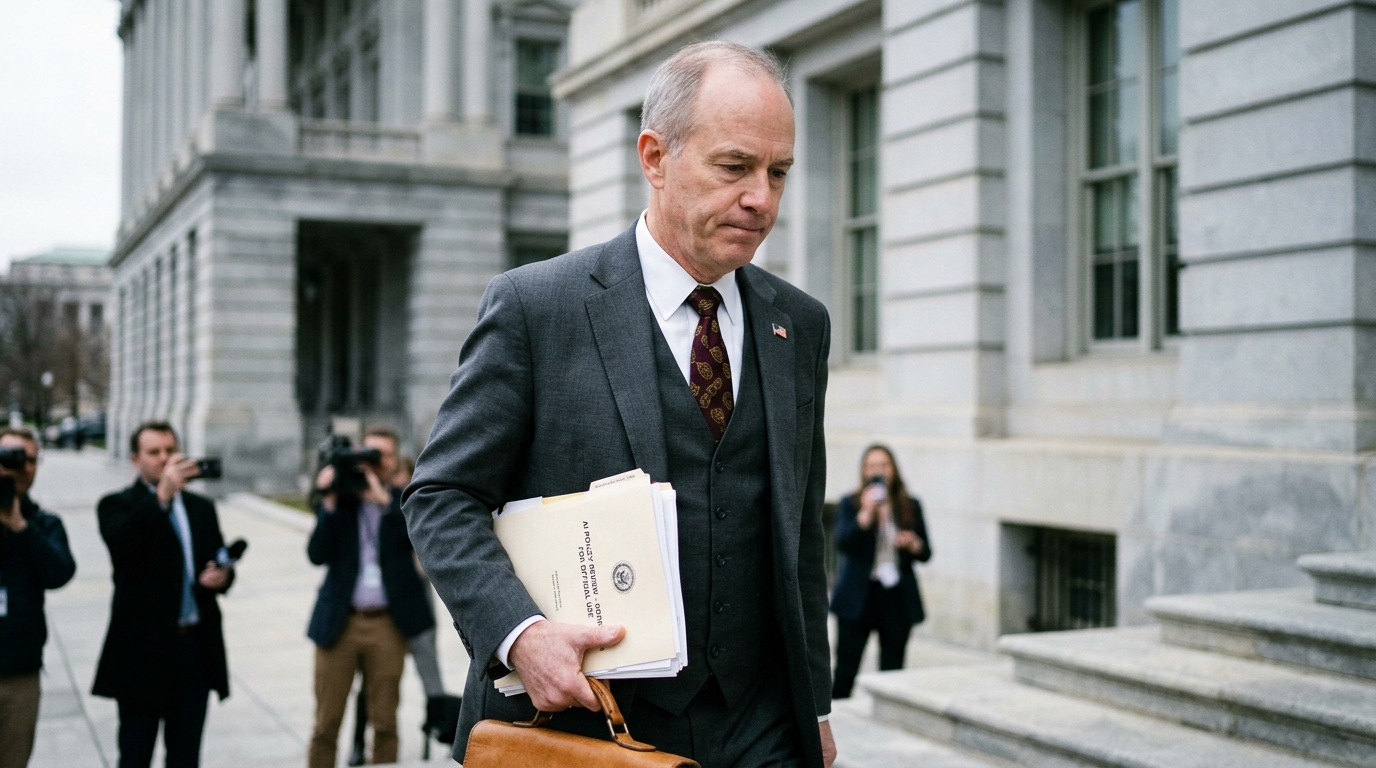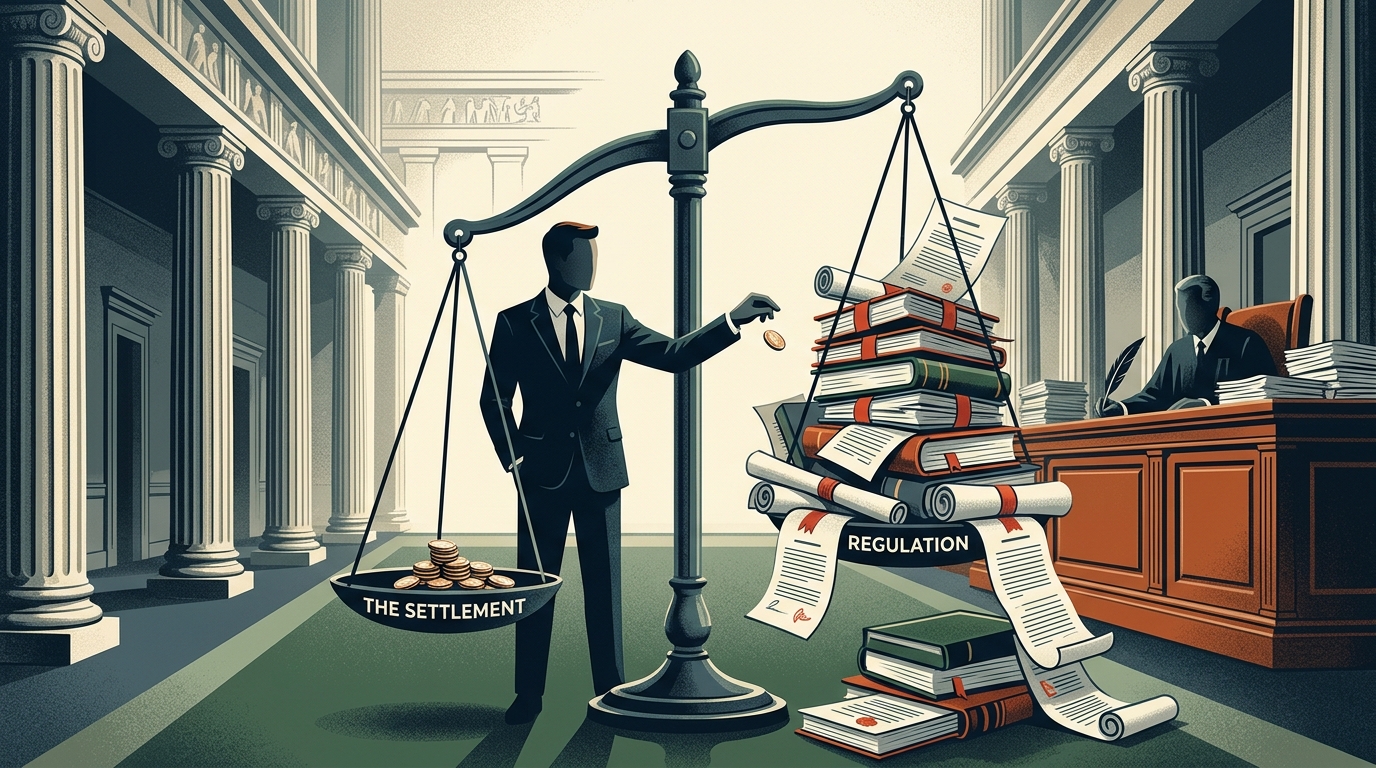
In the rarefied air of high finance and technological hegemony, rules often appear more like suggestions for those with deep enough pockets. The recent news that Elon Musk has reached a settlement with the U.S. Securities and Exchange Commission (SEC) regarding his acquisition of Twitter—now X—for the paltry sum of $1.5 million marks the latest chapter in a long-running saga of friction between the billionaire and federal regulators. For a man whose net worth fluctuates by billions in a single afternoon, this penalty is nothing more than a rounding error, a "ticket price" for bypassing the transparency rules that govern Wall Street.
The Anatomy of a Strategic Delay
The root of the legal battle dates back to early 2022. Under U.S. law, any investor who acquires more than a 5% stake in a public company must notify the SEC within ten days (the Schedule 13D rule). Musk crossed this threshold on March 14, 2022, but chose not to file the required disclosure until April 4. This eleven-day delay was not an oversight. During this window, he continued to accumulate Twitter shares at prices that had not yet been affected by the news of his massive involvement. Analysts estimate this tactic saved him over $140 million, as the stock price surged 27% the moment his stake became public knowledge.
The SEC argued that Musk intentionally misled the market, depriving everyday shareholders of the gains they would have realized had they known his intentions. However, the $1.5 million settlement feels more like a reward than a deterrent. When a fine represents barely 1% of the illicit gain, the message to the market is clear: non-compliance is profitable, provided you are large enough to withstand the scrutiny.
Regulatory Impotence and Political Context
The timing of this settlement is particularly noteworthy. As we move through May 2026, the political atmosphere in Washington has shifted dramatically. With a new administration pushing an aggressive deregulation agenda and Musk maintaining close ties to the centers of power, the SEC appears to have opted for a quick exit from a costly and uncertain legal battle. Criticism of the Commission is fierce, with many arguing that this "capitulation" undermines market integrity.
- The SEC often lacks the resources to combat the legions of lawyers employed by mega-billionaires.
- Legal settlements allow corporations to avoid admitting guilt, preserving their legal standing for future maneuvers.
- The Musk case sets a dangerous precedent for future hostile takeovers and market manipulation.
In stark contrast to the submissiveness shown toward the SEC, Musk remains combative on other fronts, such as his ongoing lawsuit against Sam Altman and OpenAI. In that arena, Musk portrays himself as a champion of "open technology," a stance many find hypocritical given the proprietary nature of his own ventures. This duality—a victim of overregulation on one hand, and a self-appointed punisher of former allies on the other—is central to his public persona in 2026.
The Future of Corporate Governance
What does this mean for the average investor? This case highlights the chasm between the letter of the law and its enforcement. Corporate governance relies on trust and equal access to information. When regulatory bodies fail to impose meaningful sanctions, the market risks devolving into a "Wild West" where the strongest dictate their own terms. The Twitter/X acquisition will likely be studied in the future as the ultimate example of how personal power can override institutional constraints, redefining the boundaries of what is permissible in platform capitalism.
"If the penalty for a crime is a fine, then that law only exists for the lower class."
This adage, while old, resonates more loudly than ever in the corridors of Wall Street today. Musk didn't just beat the SEC; he proved that the system is willing to negotiate its own stringency when faced with absolute wealth.