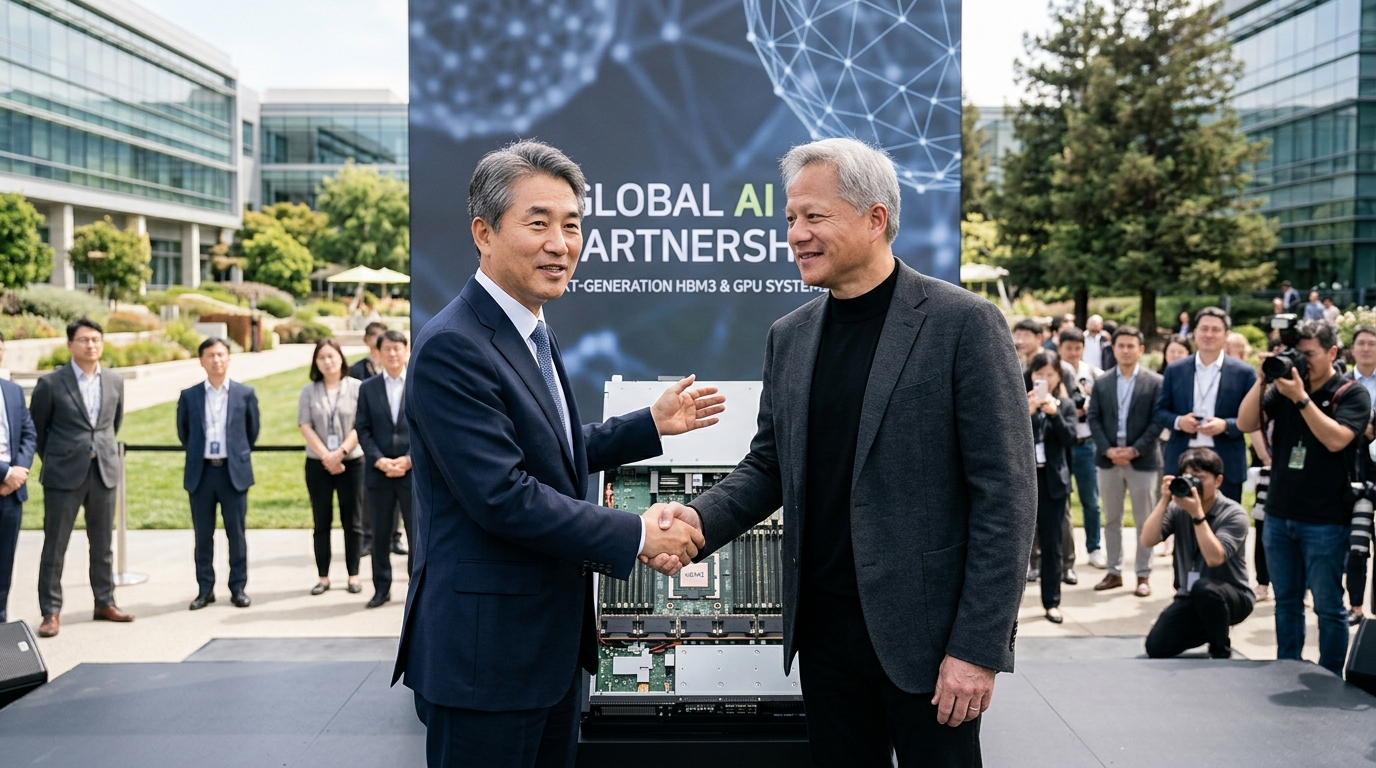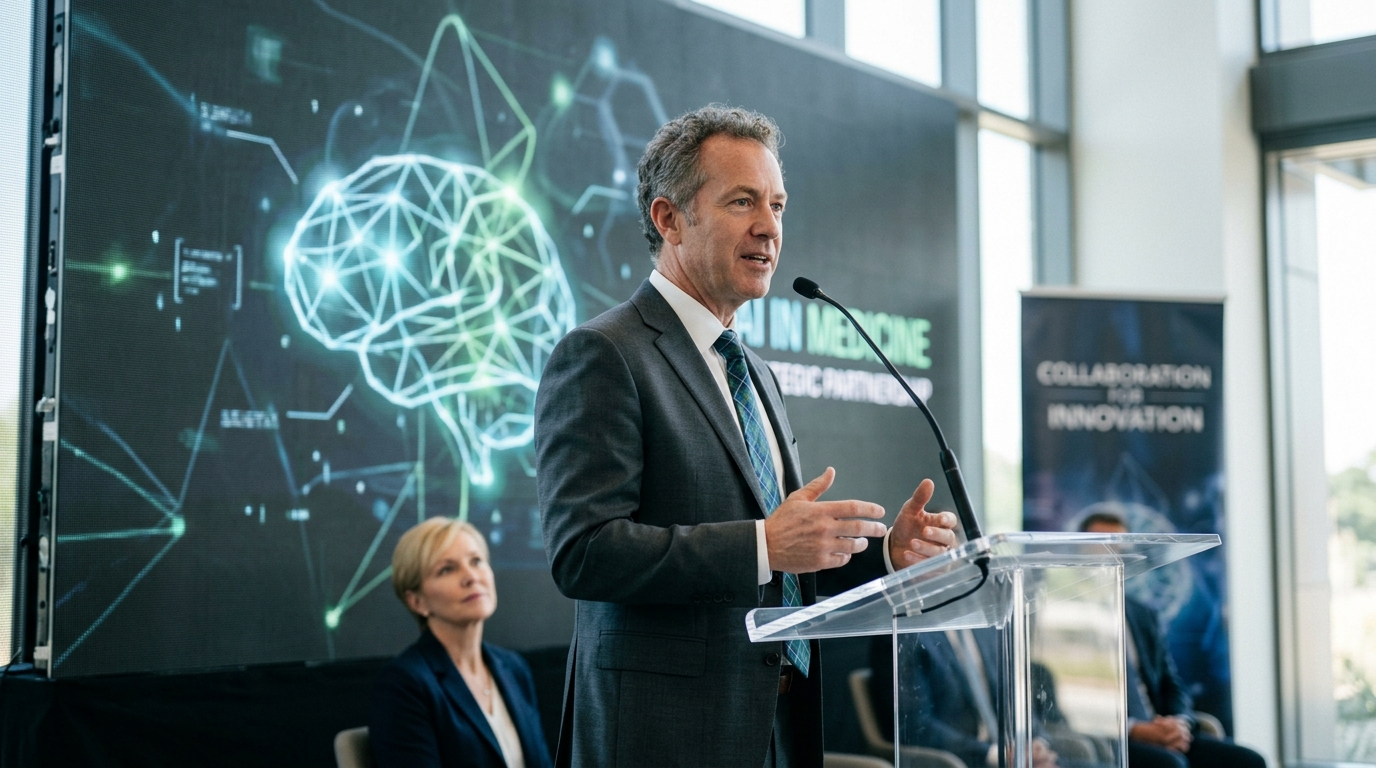
In the ever-shifting landscape of high technology, history often repeats itself, but with new terms of engagement. The recent announcement of the expanded partnership between IBM and Oracle is not merely a routine business update; it is a strategic maneuver on the chessboard of the global digital economy. These two titans, who have shaped enterprise software and hardware for decades, have decided to join forces with a singular goal: to provide large organizations with a secure and efficient path to modernization through Artificial Intelligence (AI) and the Cloud.
The Convergence of Worlds: Watsonx and Oracle Cloud Infrastructure
The core of this new phase in their relationship lies in the integration of IBM’s watsonx platform into Oracle Cloud Infrastructure (OCI). This means that enterprises relying on Oracle databases and applications can now leverage IBM’s advanced AI models directly within their environment, eliminating the need for costly and risky data migrations. This is a direct response to the growing demand for "hybrid AI," where data processing occurs wherever the data resides.
IBM Consulting takes a central role in this process, acting as the architect to help Oracle customers migrate their mission-critical workloads to the cloud. IBM's expertise in sectors such as financial technology, healthcare, and public administration is the "key" to gaining acceptance for Oracle Cloud from organizations that have traditionally been hesitant to adopt public cloud infrastructures due to security and compliance concerns.
Competition and the Geopolitics of Data
This move does not happen in a vacuum. Competition from Amazon Web Services (AWS), Microsoft Azure, and Google Cloud is relentless. However, IBM and Oracle possess an advantage that "cloud-native" players struggle to match: their deep-rooted presence in the "legacy" systems of the world's largest companies. While others try to convince companies to rewrite their code from scratch, the IBM-Oracle alliance tells them: "Keep what you have and give it new life with AI."
Furthermore, in Europe, where data sovereignty is a major political and legal issue, this partnership offers solutions that align with the strict requirements of GDPR and local regulations. The ability to operate in "sovereign cloud" environments gives European governments and banks the confidence to proceed with digital transformation without feeling they are surrendering control of their data to foreign powers.
The Human Factor Challenge
Beyond cables and algorithms, the success of this partnership will be judged by the ability of enterprises to train their personnel. Modernization is not just a technical issue, but a cultural one as well. IBM has committed to training thousands of consultants on Oracle technologies, creating a new generation of professionals who will bridge the gap between traditional IT and the new era of AI. This investment in human capital is perhaps the most critical aspect of the agreement, as the shortage of specialized talent remains the biggest hurdle for AI adoption globally.
"Artificial intelligence is no longer an experimental technology, but the driving force of business value. Our partnership with Oracle is designed to make this value accessible to every organization," IBM executives state.
In conclusion, IBM and Oracle are not just trying to survive in the age of AI; they are trying to define it. By combining the reliability of the past with the innovation of the future, they are creating a powerful counterweight to the cloud incumbents, promising a path to progress that does not require the abandonment of security and stability.