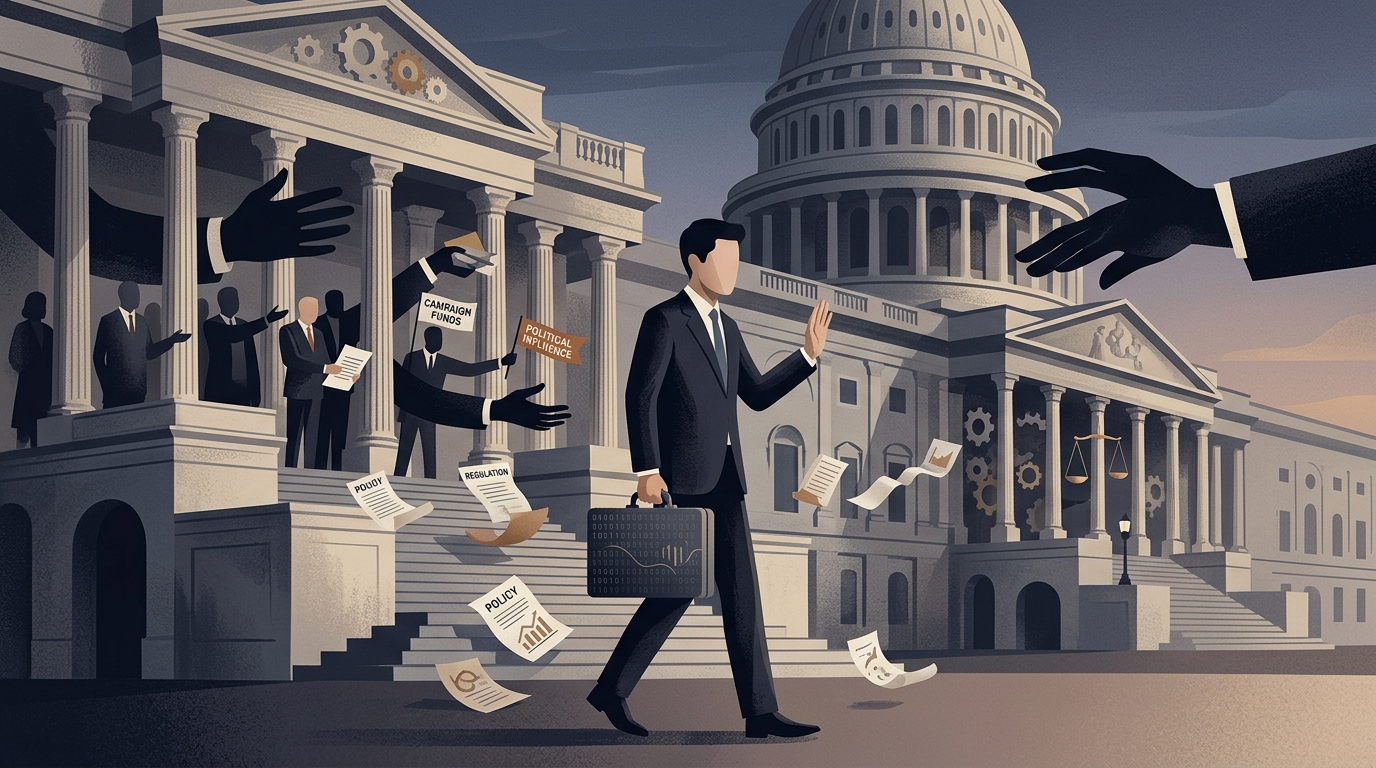
The history of technological progress has always been a story of resource consumption. In the 20th century, that resource was oil. In the 21st, it is our data. As we move through the first half of 2026, the collision between the insatiable need for massive training datasets and the fundamental right to privacy has reached a critical tipping point. The era of "wild scraping" is ending, giving way to a rigorous framework that redefines digital consent.
The European Fortress and the AI Act Enforcement
The European Union, steadfast in its role as the global regulator of digital ethics, has fully implemented the AI Act. Combined with the GDPR, this new framework creates an environment where the "legal basis" for data processing is no longer a mere formality. Recent rulings by the European Data Protection Board (EDPB) indicate that using publicly available social media data for AI training cannot rely solely on a company's "legitimate interest."
- Stricter audits on data anonymization techniques.
- Mandatory transparency regarding training data sources.
- The right to "digital oblivion," extending even to the weights of neural networks.
This shift is forcing giants like Meta and OpenAI to pivot their European strategies, turning toward content licensing deals with major publishers—a move that transfers power from developers back to the original creators of information.
The American Patchwork and FTC Intervention
Across the Atlantic, the absence of a federal privacy law has not meant a free-for-all. The U.S. Federal Trade Commission (FTC) has adopted an aggressive stance against "algorithmic injustice" and illegal data harvesting. The concept of "Algorithmic Disgorgement"—the requirement for a company to delete not just the data, but the models trained on that data—has become the primary deterrent for Silicon Valley laboratories.
"Privacy is not a barrier to innovation; it is the prerequisite for innovation worth trusting," a senior FTC official recently remarked.
Simultaneously, states like California and Texas are strengthening their own rules, creating a complex regulatory patchwork. This complexity makes compliance costs staggering for smaller startups, ironically reinforcing the oligopoly of Big Tech companies that have the legal resources to navigate the maze.
Synthetic Data: A Technological Escape?
To bypass the regulatory deadlock, many firms are investing heavily in synthetic data. This is data generated by other AI models rather than real human activity. While this approach promises near-perfect privacy, it carries the risk of "model collapse," where an AI begins to amplify its own errors in a feedback loop of quality degradation.
The scientific community warns that completely severing ties with real-world human data could lead to alienated systems that fail to understand the nuances of human experience. The challenge for 2026 is developing hybrid models that respect privacy without losing touch with reality.
Conclusion: Toward a New Social Contract
The regulatory review of 2026 demonstrates that AI can no longer operate in a legal vacuum. Data protection is emerging as a dominant geopolitical tool. As Europe sets the rules, the U.S. struggles to balance market freedom with protection, and China follows its own model of state control, citizens must decide what price they are willing to pay for AI-driven convenience. Privacy is the new luxury, but also the new front line for human autonomy.