In a move that resonates across the American judicial landscape, Connecticut’s Department of Emergency Services and Public Protection (DESPP) has ordered an immediate pause on the use of Artificial Intelligence tools for writing police reports. This decision, affecting both State Police and local departments, highlights the profound tension between technological efficiency and the necessity for absolute precision in criminal prosecutions.
The Promise of Productivity and the 'Draft One' Tool
Policing in the 21st century is plagued by a volume of paperwork that often anchors officers to their desks instead of the streets. According to industry data, an officer can spend up to 40% of their shift writing reports. This is where Axon, the company behind Tasers and body cameras, entered the fray with its product 'Draft One.' This software utilizes Generative AI to convert audio from body-worn cameras into draft reports within seconds.
Proponents of the technology argue that AI does not replace the human element but acts as a hyper-efficient clerical assistant. The officer is required to review, edit, and sign the report. However, the convenience offered by the system creates the risk of 'automation bias,' where officers might overlook small but critical errors or 'hallucinations' by the AI model, which could alter the trajectory of a legal trial.
Legal Hurdles and the Confrontation Clause
The primary reason for the pause in Connecticut is not merely technical, but deeply constitutional. Prosecutors and legal analysts have raised serious concerns about how these reports will hold up in court. The Sixth Amendment of the U.S. Constitution guarantees a defendant the right to be confronted with the witnesses against him. If a report is drafted by an algorithm, who is the witness? The officer who signed it, or the code that generated it?
- Potential for Bias: AI models are trained on datasets that may contain historical biases against minority communities.
- Factual Accuracy: AI can misinterpret body language or slang, creating a false narrative regarding the perceived threat of a situation.
- Transparency: Axon’s algorithms are proprietary, making it impossible for defense attorneys to examine the 'black box' of decision-making.
The Response of Authorities and the Path Forward
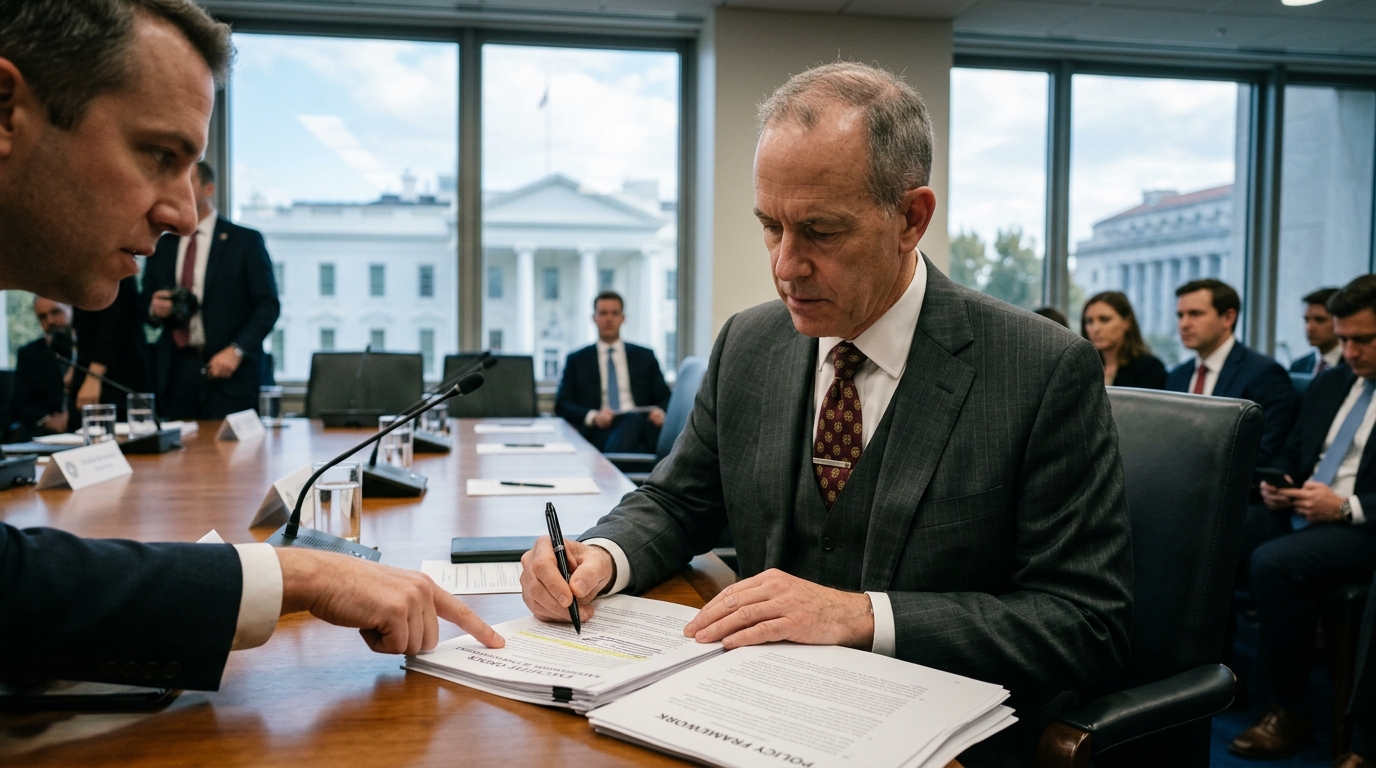
Commissioner Ronnell Higgins stated that the pause is necessary until a uniform statewide framework is established and all stakeholders are properly trained. This is not a definitive ban, but a 'moment of reflection.' The Police Officer Standards and Training (POST) Council is now tasked with creating regulations that ensure technology serves justice, not just speed.
"A police report is the foundation of a criminal prosecution. If the foundation is flawed, the entire edifice of justice risks collapse," noted legal experts in the state.
In an era where public trust in policing is frequently tested, the introduction of opaque technologies could exacerbate the divide. Connecticut is leading the way by asking: How much human judgment are we willing to cede to the machine in the name of efficiency? The answer will define the future of law enforcement globally.