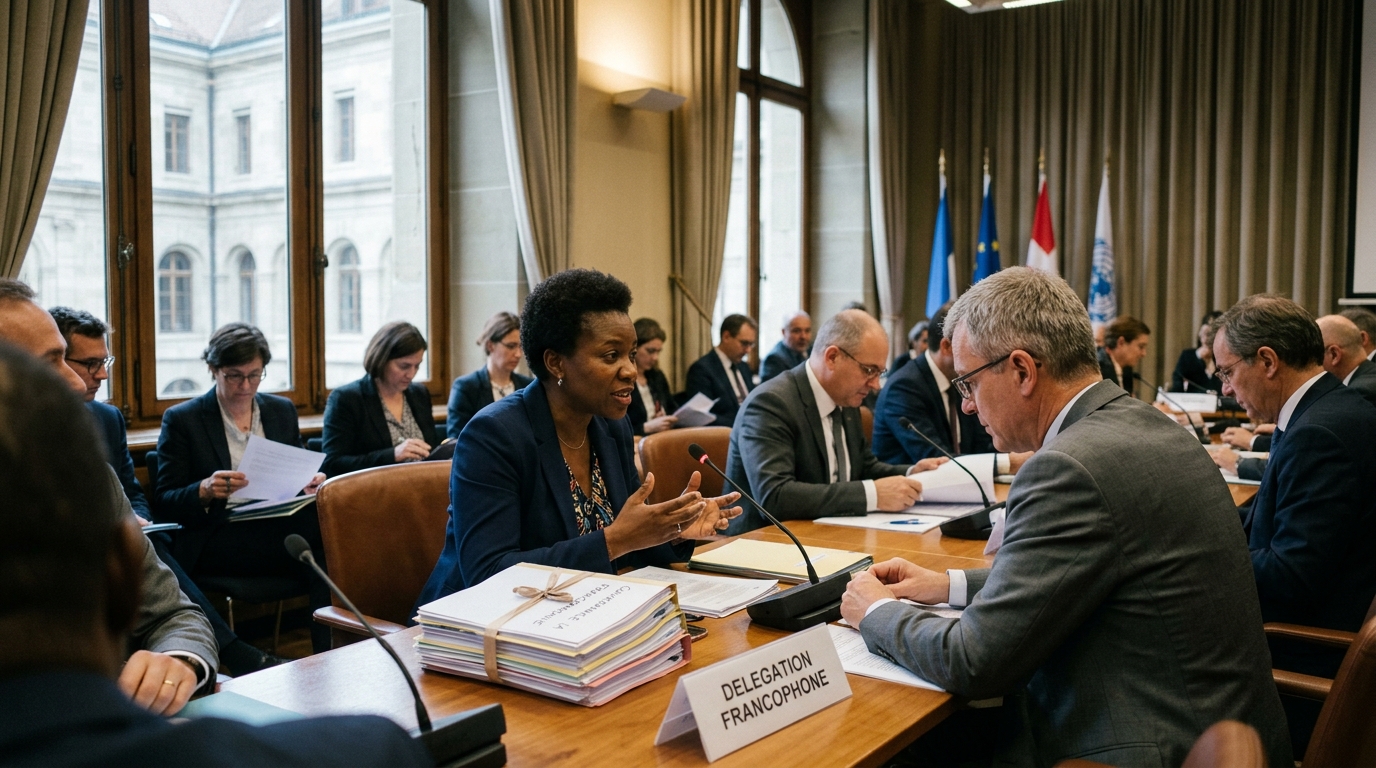
In an era of profound structural shifts for the European economy, the Hellenic Competition Commission (HCC) is taking a leading role in shaping a new market architecture. Alongside the competition authorities of the Czech Republic, Poland, Romania, Slovakia, Slovenia, and Hungary, the Greek side has co-signed a joint statement signaling a historic pivot in how the European Union approaches mergers and acquisitions. This move is not merely a bureaucratic intervention but an attempt to redefine what constitutes "healthy competition" in the 21st century.
Moving Beyond the Low-Price Dogma
For decades, merger control has relied almost exclusively on the consumer welfare standard, which translated primarily into low prices. However, the joint intervention by the seven authorities argues that this model is no longer sufficient. In today’s world of fractured supply chains and climate urgency, competition must serve broader objectives. "Resilience" is emerging as a central pillar: the EU must be able to prevent concentrations that might offer short-term price benefits but leave the market vulnerable to external shocks.
Furthermore, sustainability is now formally on the agenda. The authorities are calling for competition rules to act as an incentive for the green transition, rather than an obstacle. This means a merger could be viewed favorably if it demonstrably accelerates decarbonization, even if it reduces the number of players in a specific market. This is a delicate balance that requires new analytical tools and a more holistic approach from regulators.
The Dilemma of "European Champions"
One of the most contentious issues addressed in the intervention is the need to foster "European Champions." With the US and China heavily subsidizing their own industrial giants, Europe feels the pressure to allow the creation of larger corporate entities. The HCC and its partners warn, however, that the pursuit of scale must not come at the expense of the Single Market. The risk is the creation of national monopolies that stifle innovation and harm small and medium-sized enterprises (SMEs), which are the backbone of the Greek and European economies.
The Greek position is clear: the revision of rules must ensure that smaller EU economies do not become mere "customers" of large industrial member states. Effective competition must remain the tool that guarantees a level playing field for everyone, regardless of where their headquarters are located.
Digital Markets and "Killer Acquisitions"
Particular emphasis is placed on the digital sector. Recent experience with so-called "killer acquisitions"—where tech giants buy startups solely to eliminate future competition—has alarmed regulators. The proposal for reform includes stricter oversight of transactions that, while perhaps not having a high turnover, possess immense strategic value due to the data or technology they control.
According to the HCC, protecting innovation is as vital as protecting prices. In a knowledge-based economy, merger control must act as a safety net for new entrepreneurial talent. Europe's digital sovereignty depends on its ability to allow new ideas to grow without being prematurely swallowed by incumbent interests.
Conclusion and Future Outlook
The initiative by the seven authorities comes at a time when the European Commission is overhauling its overall economic strategy, influenced by the Letta and Draghi reports. The convergence of views suggests a growing geographical and political will for a more "geopolitical" competition policy. For Greece, joining this group of nations is a strategic choice to amplify its voice in Brussels, ensuring that the transition to a more robust European industry does not happen on terms that marginalize the periphery. The path toward a final regulatory revision will be long and fraught with negotiation, but the direction is now set: a competition policy that protects not just the consumer's wallet, but the continent's future.