In an era where technology permeates every facet of human existence, it was only a matter of time before Artificial Intelligence crossed the threshold of the temple. So-called 'Godbots'—chatbots trained on religious texts ranging from the Bible and the Quran to the Vedas—are no longer a science fiction scenario, but an emerging reality that evokes both profound excitement and deep skepticism. As 2026 finds humanity more interconnected yet more isolated than ever, the search for spiritual guidance through a screen is emerging as one of the most controversial ethical issues of the decade.
The Digital Pulpit and the Democratization of Faith
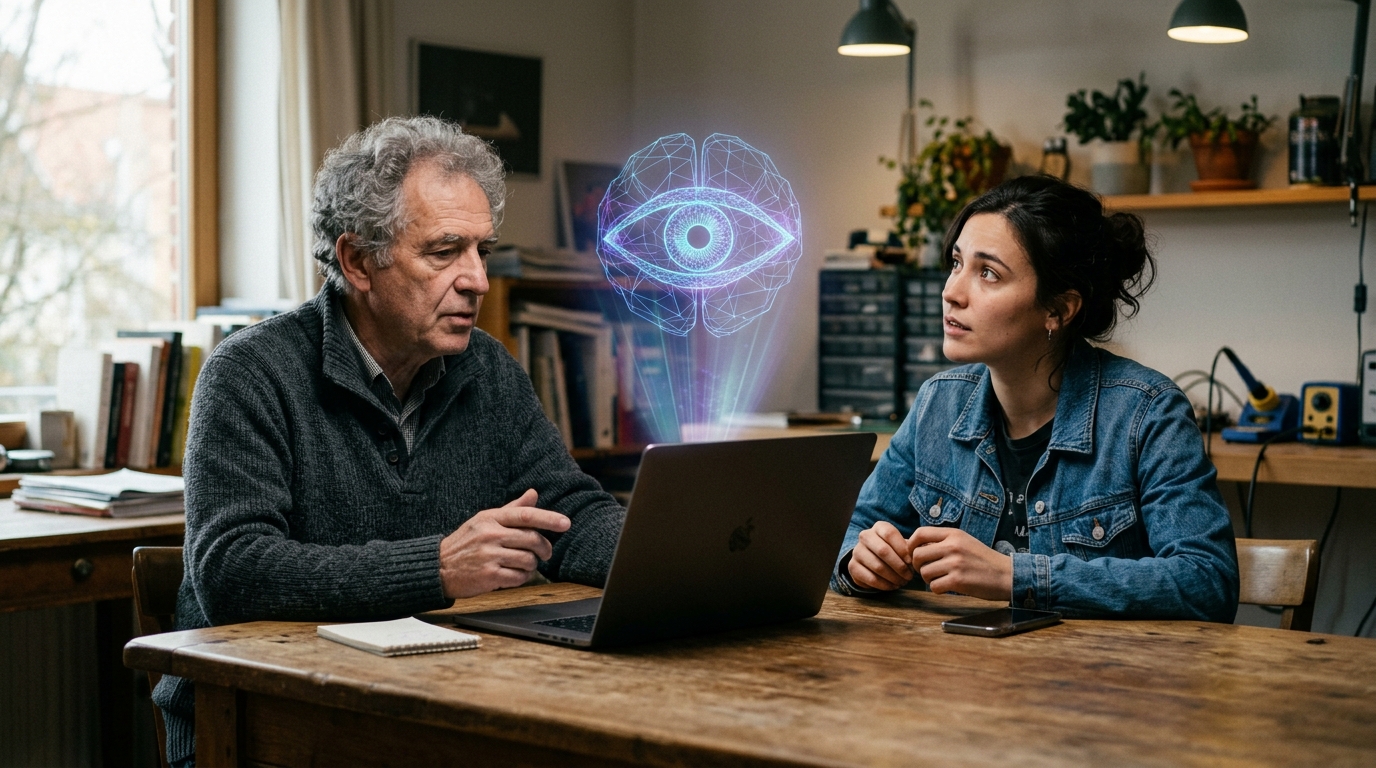
The core promise of religious AI applications is accessibility. For a believer living in a remote area or someone hesitant to approach a religious leader with difficult questions, a 'BibleGPT' or an 'AI Imam' offers a safe, immediate, and anonymous space for dialogue. These tools do not merely function as verse search engines; they use natural language to interpret, comfort, and, in some cases, pray alongside the user.
However, this 'democratization' carries a significant risk: the dilution of traditional ecclesiastical authority. When an algorithm can provide an interpretation that sounds just as valid as that of a trained theologian, the line between dogma and personal interpretation blurs. Religions, historically built on community and the succession of knowledge, are facing the ultimate individualism of Silicon Valley.
The Specter of Digital Heresy
The greatest technical and ethical problem remains the 'hallucinatory' nature of Large Language Models (LLMs). Artificial Intelligence does not 'understand' sanctity; it processes statistical probabilities of words. A Godbot can just as easily quote the Sermon on the Mount as it can invent its own false commandment, presenting it as divinely inspired. What developers call a 'hallucination' is, in the world of religion, termed heresy or blasphemy.
Recent examples, such as the 'Father Justin' chatbot—which was 'defrocked' by its creators after giving controversial answers regarding the sacraments—demonstrate how fragile this balance is. Religion requires accountability. Who bears the spiritual responsibility when an AI provides advice that leads to a moral crisis or psychological harm? The software company or the algorithm?
The Commodification of the Sacred
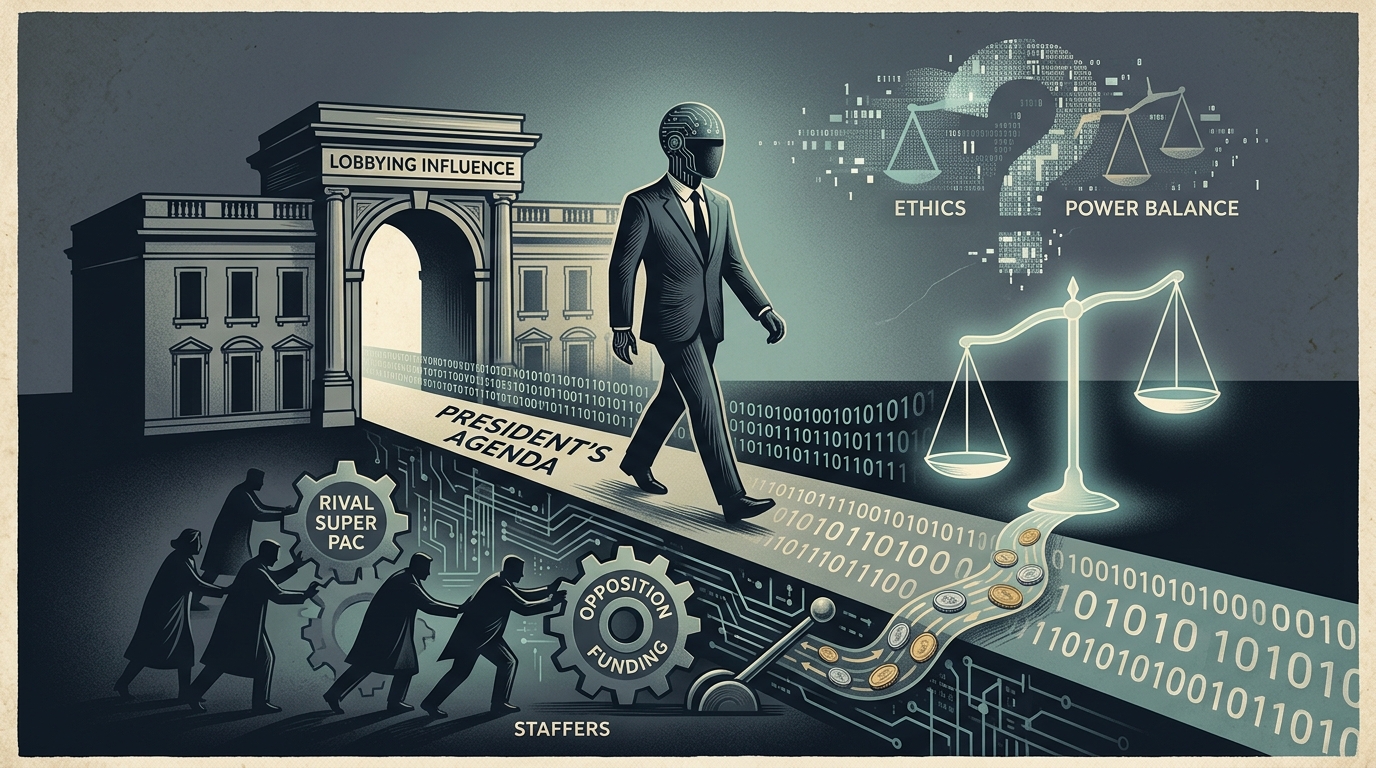
We cannot ignore the economic dimension. The 'faith industry' is vast, and tech giants are well aware of this. The transformation of spiritual seeking into a subscription service ('Salvation-as-a-Service') raises questions about the motives behind these tools. When an app collects the most intimate questions and confessions of a believer, that data becomes a commodity. The privacy of confession, a centuries-old institution, is threatened by the terms of service and privacy policies of Big Tech.
- Data collection from religious conversations could be used for targeted advertising or political manipulation.
- Reliance on algorithmic answers may lead to a 'shallow' spirituality, lacking the depth of human experience.
- There is a risk of cultural and religious homogenization, as AI models tend to favor dominant interpretations, marginalizing minority traditions.
Conclusion: Spirit and the Machine
Artificial Intelligence may be an excellent librarian of sacred texts, but can it ever be a vessel of divine grace? For most theologians, the answer remains a firm no. Religion is an embodied experience—presence in the community, touch, ritual, the gaze. The Godbot lacks 'pneuma' (spirit), the breath that makes religion a living thing. As we move forward, the challenge will be to use these tools as study aids without allowing the algorithm to replace the human soul in its quest for the transcendent.