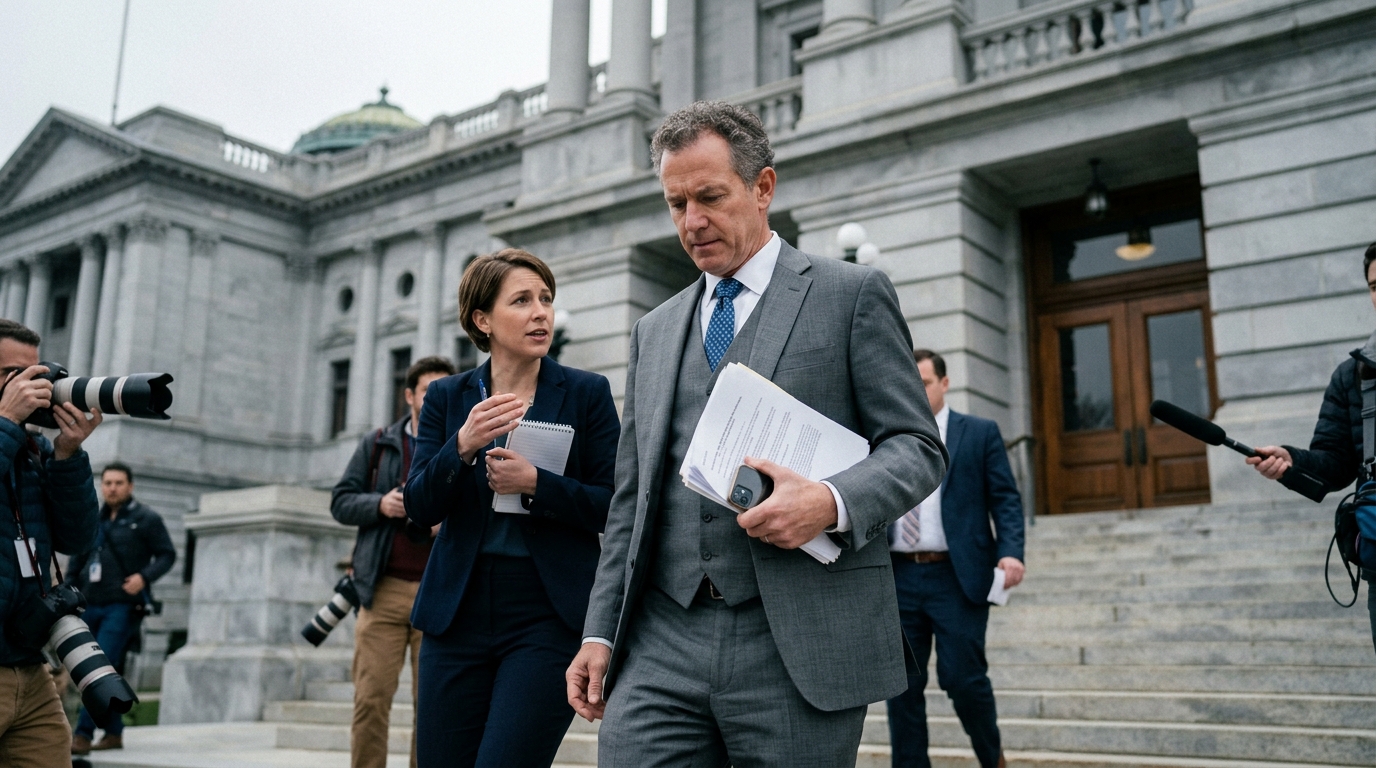
In the heart of the Rocky Mountains, the state of Colorado has transformed into an unexpected but critical laboratory for the future of global digital and economic governance. As we navigate through 2026, decisions made in Denver are resonating far beyond state lines, influencing how businesses interact with technology and the financial system. Recent legislative activity, centered on credit card transaction fees (swipe fees) and Artificial Intelligence (AI) regulation, highlights a fundamental tension: the need for consumer protection versus the fear of strangling over-regulation.
The U.S.'s First Comprehensive AI Regulation
Colorado made history with the passage of SB24-205, widely considered the first comprehensive attempt in the United States to place "guardrails" on the use of Artificial Intelligence. The law focuses on what it terms "high-risk systems"—algorithms that make decisions in critical areas of human life, such as employment, housing, education, and banking credit.
Businesses in Colorado are on high alert. On one hand, tech giants and startups fear that strict documentation requirements and audits for algorithmic bias will increase operational costs and discourage innovation. On the other hand, civil rights advocates argue that without such measures, the "black boxes" of algorithms will continue to replicate discrimination against minorities and vulnerable groups. Governor Jared Polis, while signing the bill, expressed reservations, emphasizing that the state must be careful not to create a "patchwork" of different rules that would make it impossible for companies to operate nationally.
The Battle of Swipe Fees: Small Business vs. Big Banks
Parallel to the digital front, a traditional economic war is raging: the fees merchants pay to banks for every card transaction. For Colorado’s small businesses, these fees often represent the second-largest operating expense after payroll. Legislation aimed at capping or increasing transparency for these fees has drawn the ire of financial institutions, which warn that such limits will lead to the elimination of rewards programs and compromise transaction security.
This conflict is not merely economic; it is deeply political. It reflects the perennial struggle between the retail sector, seeking relief in an era of inflationary pressure, and the financial sector, defending its profit margins as necessary for the technological infrastructure of payments. In Colorado, retail associations have successfully mobilized public opinion, framing swipe fees as a "hidden tax" ultimately passed on to the consumer.
The Compliance Challenge and the Road Ahead
The question looming over Denver is whether these regulations will make Colorado a model for other states or economically isolate it. Businesses warn of "regulatory fatigue." With AI evolving at a pace that outstrips the legislative process, there is a fear that by the time rules are fully implemented in 2026, the technology will have already changed shape, rendering laws obsolete or, worse, an obstacle to adopting tools that could boost productivity.
"We are at a crossroads where the protection of the individual must be weighed against the agility of the market," noted a local policy analyst. "Colorado is choosing to lead, but leadership comes with the risk of being the first to stumble."
Key Strategic Pillars of the New Legislation
- Algorithmic Accountability: Companies are now required to conduct annual risk assessments for the AI systems they deploy in high-stakes environments.
- Consumer Disclosure: Citizens must be notified when a significant decision affecting them (e.g., a loan denial) is made by an AI system.
- Economic Relief: Efforts to reduce swipe fees aim to bolster the liquidity of local brick-and-mortar stores facing rising costs.
Ultimately, Colorado is daring to touch the "holy grails" of the modern economy: data and money. The success or failure of these measures will determine whether policy can truly govern the forces of the technological revolution or if it will remain a mere observer in a world moving at the speed of light.