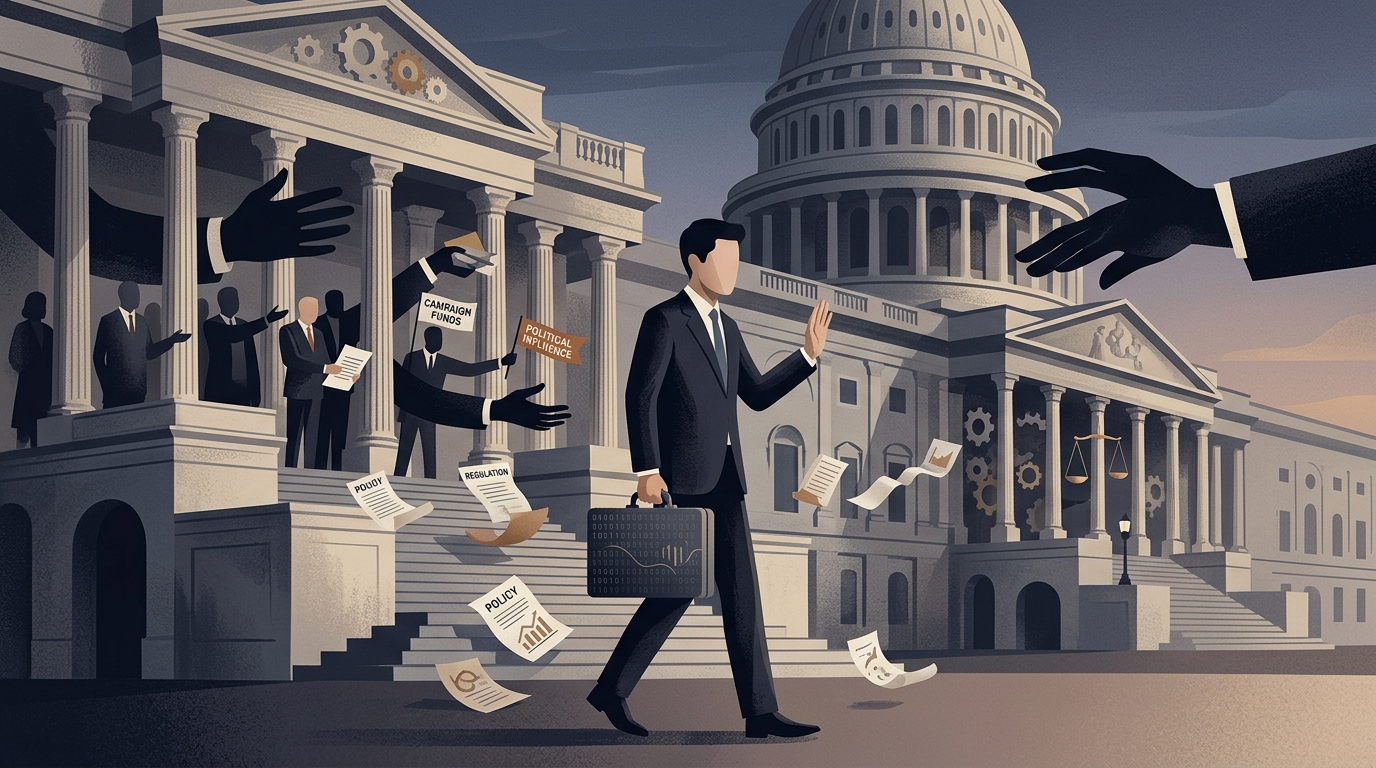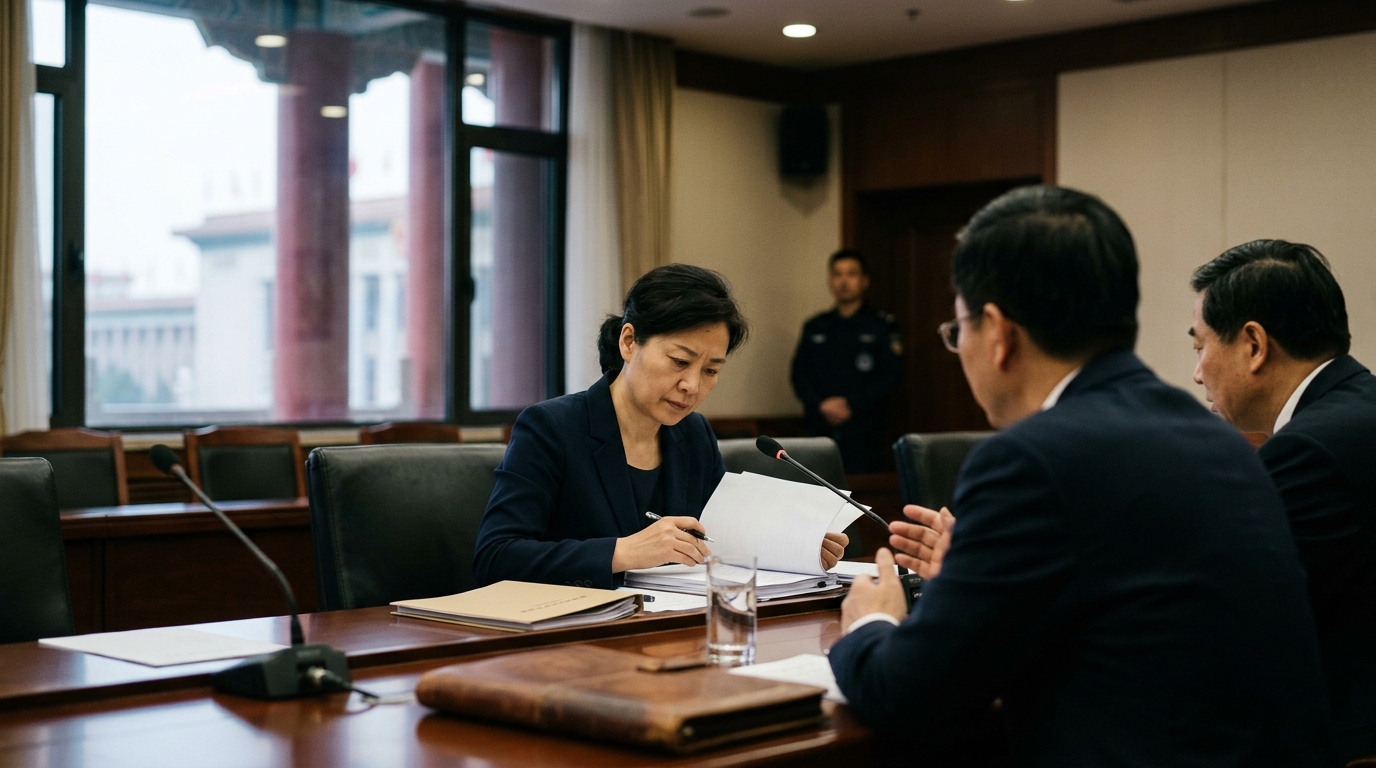
In an era where the global economy trembles at the prospect of "total automation," China is making a move that is sending shockwaves through the international legal and technological landscape. Chinese courts, aligned with Beijing’s broader policy of "Common Prosperity," have issued clear directives and rulings prohibiting companies from using the adoption of Artificial Intelligence (AI) as a unilateral justification for terminating employment contracts. This decision is not merely a labor dispute; it is a fundamental reassessment of the relationship between humans and machines in the 21st century.
The Legal Framework: AI is Not 'Force Majeure'
According to recent judicial rulings analyzed by legal circles in Beijing and Shanghai, the introduction of AI systems that render certain jobs redundant does not fall under the category of "objective change in circumstances" that would typically allow for legal mass layoffs. The courts argue that a company's decision to automate is a business choice, not an external necessity. Consequently, the cost of this transition cannot be shifted solely onto the employees.
- Companies are now required to offer alternative positions or retraining programs.
- Unilateral contract termination citing "AI efficiency" is now considered an abuse of power.
- Severance pay in cases of illegal layoffs due to automation is expected to rise significantly.
This approach stands in stark contrast to the practices of many Western tech giants, where "restructuring" due to AI has become a daily occurrence. China, however, seems to recognize that the mass unemployment that could result from an unchecked AI onslaught poses an existential threat to social cohesion.
Social Stability vs. Corporate Efficiency
For the Chinese leadership, technology must serve the national interest, and the national interest is primarily defined by employment. At a time when youth unemployment in China remains at sensitive levels, the judiciary is acting as a buffer. Judges emphasize that companies reaping massive profits from AI have a "social responsibility" to maintain their workforce, integrating them into the new digital environment rather than marginalizing them.
"Technological progress must not be a pretext for dismantling the fundamental rights of workers. Innovation is the means, not the end, of social development."
This stance reflects a deeper philosophy: AI should not be a "replacer" but an "augmenter." If businesses wish to use algorithms to increase productivity, they must simultaneously invest in upgrading their employees' skills. The justice system in China is sending a clear message that "algorithmic management" cannot bypass labor law.
International Implications and the Future of Work
This move by China is expected to influence discussions regarding the AI Act in the European Union and labor demands in the United States. If an economy as heavily reliant on technological supremacy as China’s imposes such restrictions, then the debate over "universal job guarantees" or AI regulation in the labor market gains new momentum. Multinationals operating in China will now have to be extremely careful in how they communicate and implement their automation strategies.
Ultimately, the decision by Chinese courts reminds us that technology does not operate in a vacuum. Laws and social values are what will determine whether Artificial Intelligence leads to a new era of prosperity or a crisis of inequality. For now, Beijing is choosing the path of protecting human capital, setting a precedent that the rest of the world may eventually be forced to follow.