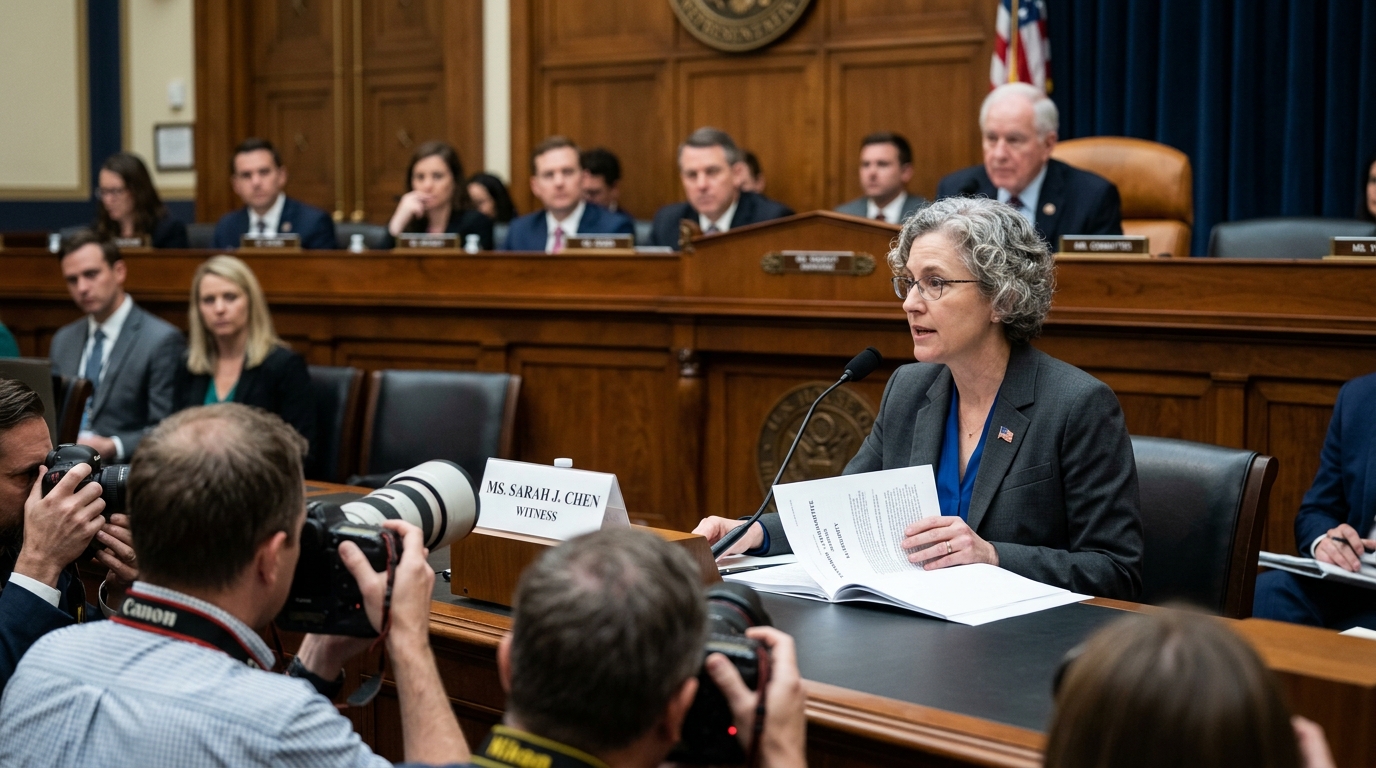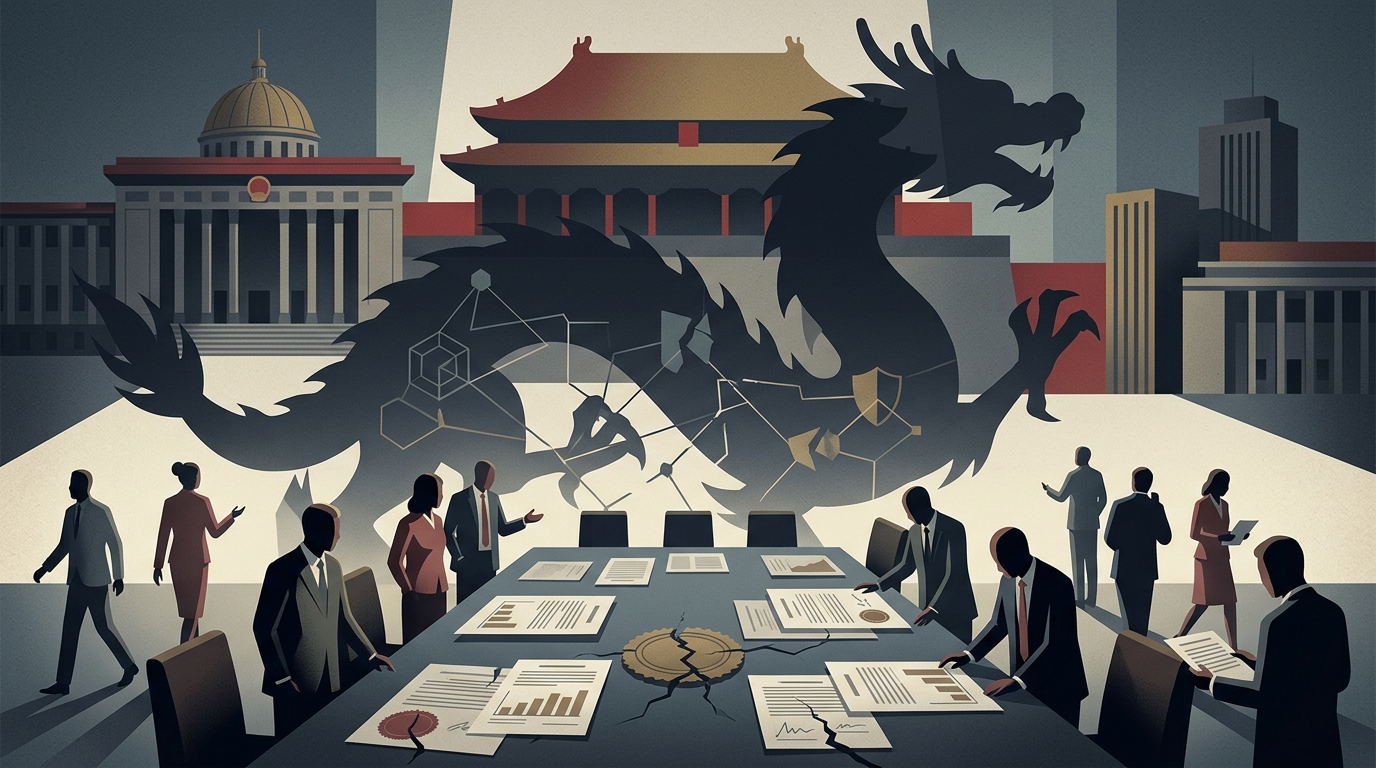
The news struck the human rights community like a thunderbolt: RightsCon, the world’s premier summit on digital rights, will not take place in Zambia as planned. The cause? A coordinated campaign of diplomatic and economic pressure from the Chinese government on the administration in Lusaka, aimed specifically at excluding Taiwanese participants. This development is not merely an organizational failure; it is a stark reminder of how geopolitical might can silence civil society, even on the international stage.
The Anatomy of Diplomatic Coercion
According to Access Now, the non-profit organization that hosts RightsCon, Zambian officials faced intense pressure from Beijing to ensure that no representative from Taiwan would set foot at the conference. China, which views Taiwan as a breakaway province, systematically uses its economic leverage to enforce its "One China" policy globally. In the case of Zambia—a country that has benefited significantly from Chinese infrastructure and telecommunications investments—this pressure found fertile ground.
Organizers report that the Zambian government explicitly requested the exclusion of Taiwanese citizens from the visa process and conference proceedings. For Access Now, an organization built on the principles of universality and inclusion, this demand was a non-starter. The group’s refusal to compromise led to the cancellation of the physical event, forcing it to transition into an online-only format. While the digital summit will proceed, the loss of face-to-face interaction severely hampers the networking and direct action capabilities of activists worldwide.
African Dependency and the "Cyber Sovereignty" Model
Zambia’s predicament is not an isolated incident. It reflects a broader trend across the African continent, where China has become the dominant partner in digital infrastructure development. Through its "Digital Silk Road" initiative, Beijing exports not just fiber-optic cables and 5G networks, but a specific model of internet governance: "cyber sovereignty."
This model prioritizes state control over individual liberties, emphasizing censorship and surveillance. When a nation like Zambia relies on Chinese technology and loans to modernize its economy, its political autonomy is inevitably compromised. The cancellation of RightsCon demonstrates that the price of this dependency is often the sacrifice of democratic values and the freedom of assembly. African governments find themselves in a precarious balancing act, attempting to appease their largest creditor while maintaining a veneer of democratic legitimacy.
Implications for Global Civil Society
RightsCon is more than just a conference; it is a vital sanctuary where activists, journalists, and technologists meet to tackle issues like artificial intelligence, mass surveillance, internet shutdowns, and data privacy. Moving the event online deprives participants of the safety of physical proximity, which is crucial for those operating in authoritarian environments.
- Loss of Safe Spaces: Physical gatherings allow for the exchange of sensitive information that cannot be shared via digital channels due to the risk of surveillance.
- A Precedent for Authoritarianism: China's success in disrupting such a high-profile event sends a signal to other regimes that they can use similar tactics to stifle dissent.
- The Isolation of Taiwan: Excluding Taiwan from digital rights forums is particularly ironic, given that the island nation is a beacon of digital democracy and open governance in Asia.
The international community must now ask: Who controls the spaces where our freedoms are discussed? If global powers can dictate who is allowed to speak at a human rights summit, the very concept of universal rights is under threat. The RightsCon Zambia incident will be remembered as a dark chapter in digital diplomacy, but also as a clarion call to resist the creeping tide of digital authoritarianism. The struggle for digital rights is no longer just about code and encryption; it is a frontline battle in the new Cold War.