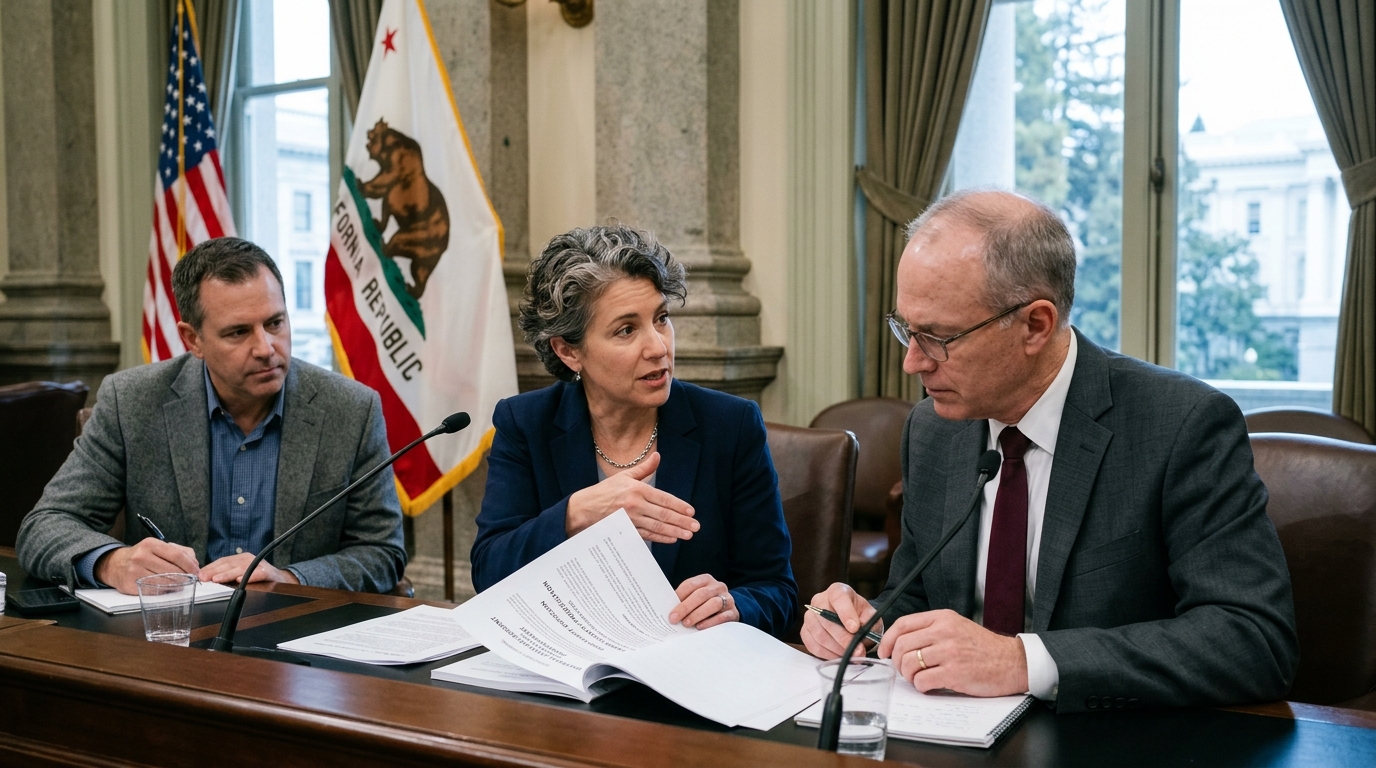
In the heart of Silicon Valley, where the mantra "move fast and break things" was born, a new legislative initiative is seeking to impose both brakes and accountability. Recognizing the federal government's struggle to enact a unified framework, California lawmakers are advancing a suite of bills requiring AI companies to undergo assessments by independent third parties. This move is more than just local regulation; it is a calculated attempt to establish a de facto national—and by extension, global—standard for AI safety.
The Clash of Self-Regulation and Oversight
For years, tech giants like OpenAI, Google, and Anthropic have operated under a regime of voluntary commitments. However, the sheer pace of development in "frontier models" has alarmed policymakers. The proposed framework, led by bills such as SB 1047, targets models that cost upwards of $100 million to train. The core concept is simple yet radical for the American context: companies can no longer "grade their own homework."
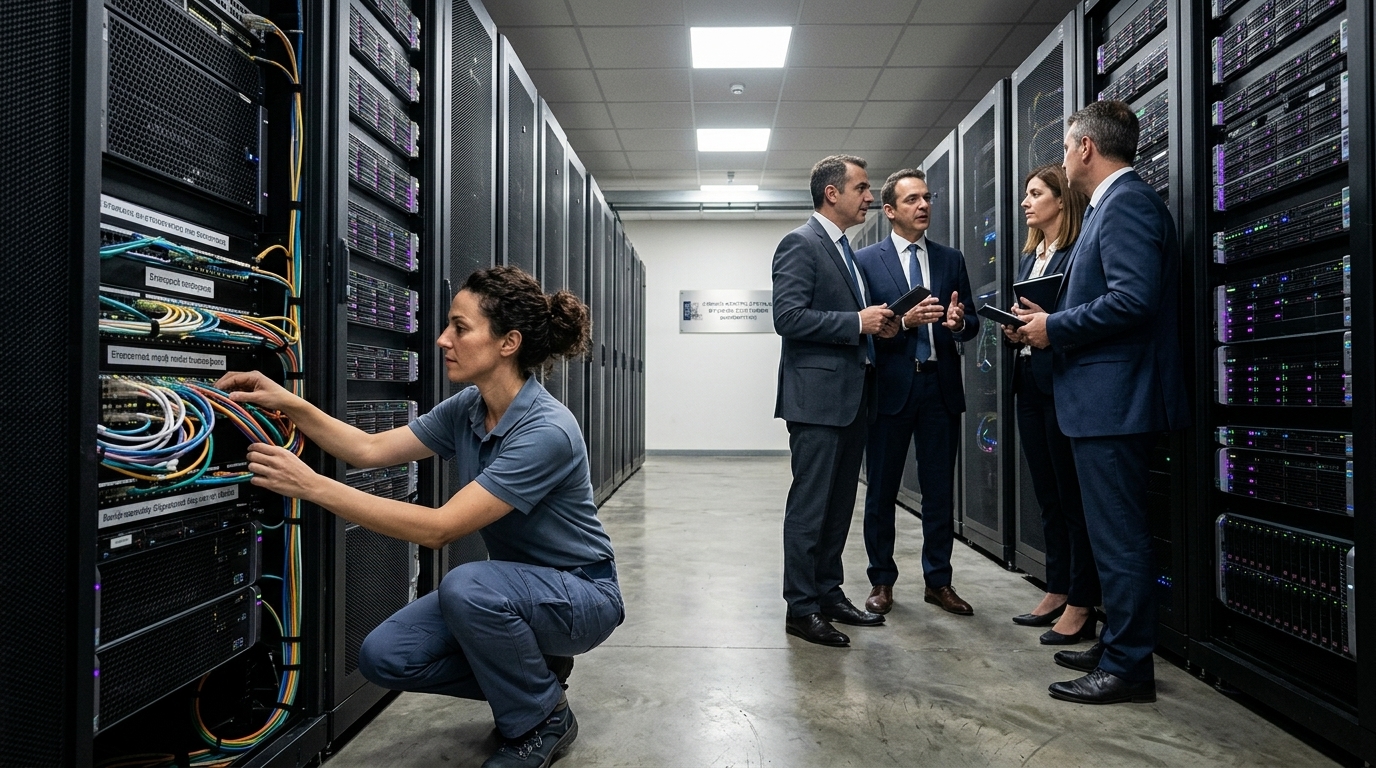
Third-party assessments will focus on catastrophic risks, such as the use of AI to develop biological weapons, facilitate massive cyberattacks on critical infrastructure, or the loss of control over the system itself. Auditors will have access to corporate safety protocols and will evaluate whether protective guardrails are sufficient before a model is released to the public.
The 'Kill Switch' Controversy and Open Innovation
One of the most contentious aspects of the proposal is the requirement for a "kill switch." Lawmakers argue that if a system begins to exhibit dangerous, unpredictable behaviors, the company must have the ability to shut it down immediately. Silicon Valley, however, is pushing back hard. Venture capital firms like Andreessen Horowitz and proponents of open-source software, such as Meta, argue that such regulations will stifle innovation.
The argument is that holding model creators liable for how a third-party user might misuse the technology is unfair and technically unfeasible, especially in the open-source ecosystem. Critics fear that smaller companies and researchers will flee California for states with looser frameworks, or even relocate outside the US, potentially handing the technological lead to China.
The Political Economy of Compliance
This proposal also births a new market: AI auditors. Much like the "Big Four" accounting firms audit corporate finances, specialized organizations will be called upon to certify the "ethical and technical integrity" of algorithms. This implies massive compliance costs, which only the largest corporations can easily absorb, potentially leading to further market consolidation.
- Audits would occur annually or following significant model updates.
- Companies would be mandated to report safety incidents within 72 hours.
- Stiff penalties are proposed, potentially reaching 10% of the model's training cost.
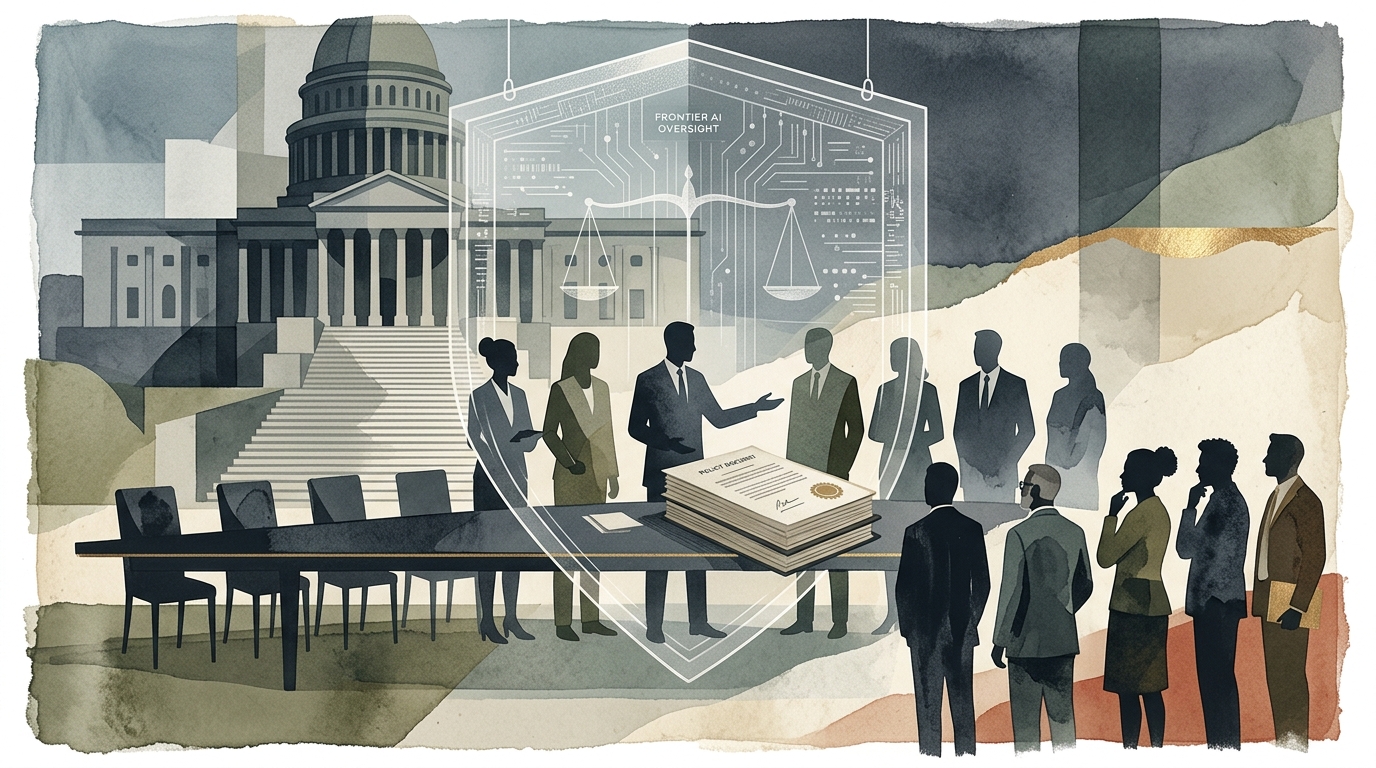
In a polarized political landscape, California is attempting to play the role of global regulator. If these bills pass, they will force the federal government in Washington to act faster to avoid a patchwork of conflicting state laws that would make operating a tech company nearly impossible.
Conclusion: The Responsibility of Power
The era of innocence for artificial intelligence is over. California's lawmakers understand that this technology is not merely a productivity tool but a force capable of rearranging social and national security. The demand for third-party assessments is the first serious attempt to shift the burden of proof regarding safety from the citizen and the state to the creator. Whether this leads to a safer era or technological stagnation remains to be seen, but the message is clear: trust is no longer enough; verification is required.