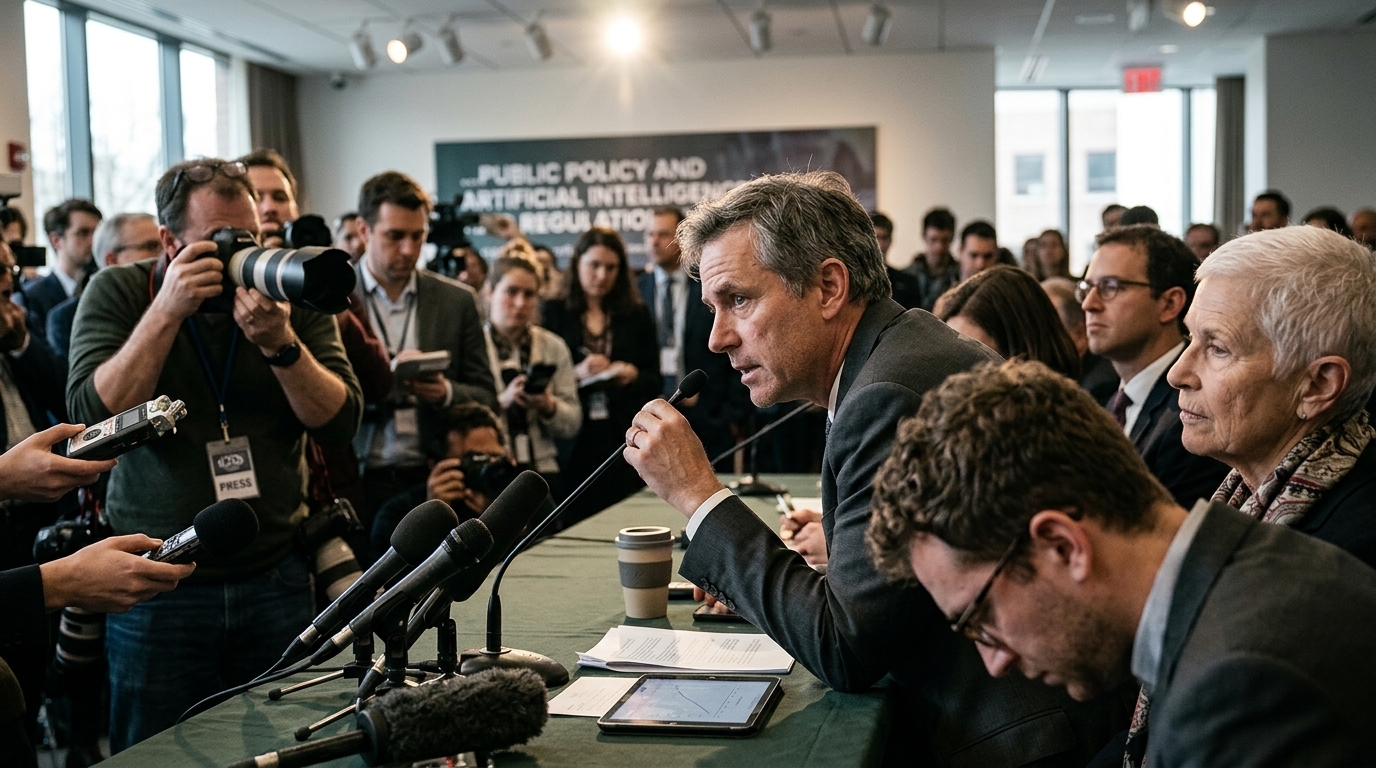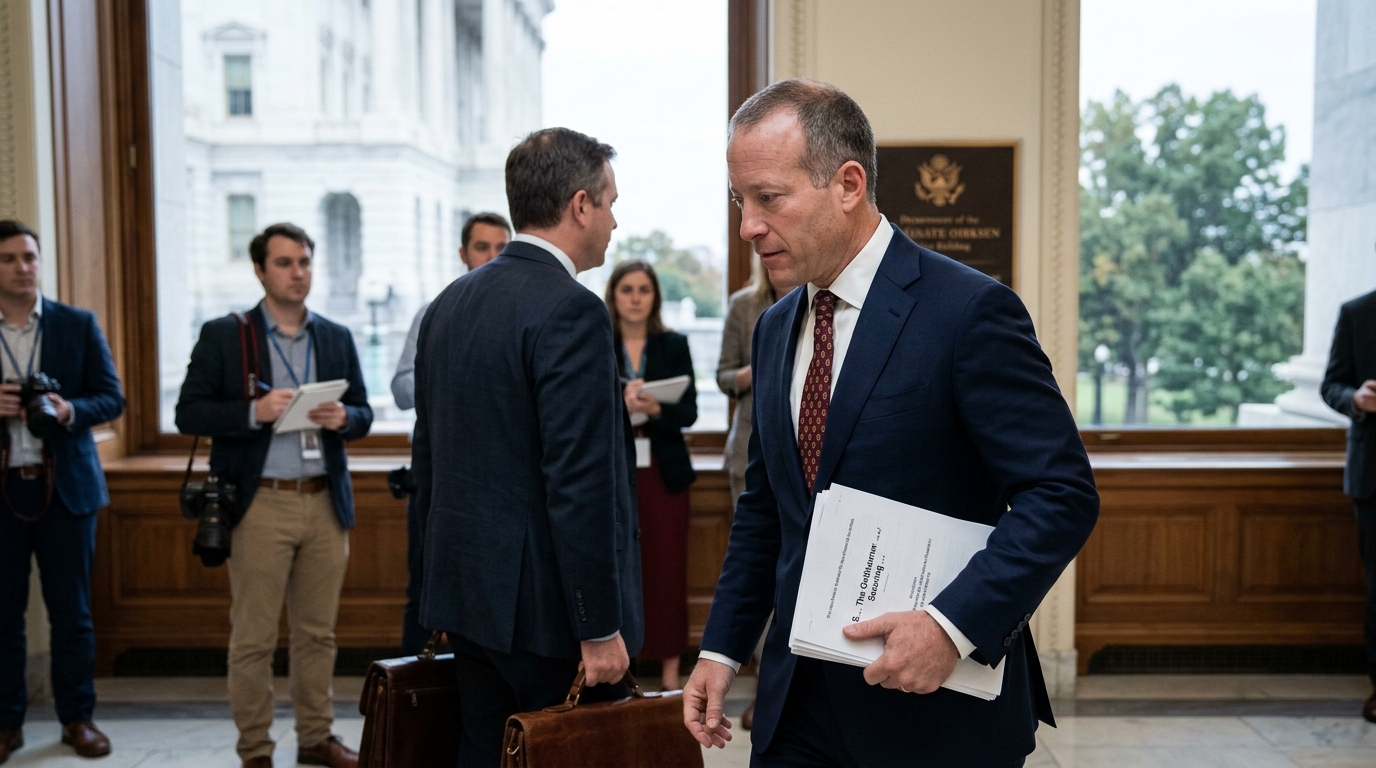
In the hallowed halls of Capitol Hill, the conversation surrounding Artificial Intelligence is shifting from theoretical excitement to operational fortification. Representative Josh Gottheimer, a Democrat known for his moderate stance and leadership within the Problem Solvers Caucus, is preparing to introduce a landmark bill aimed at the "pre-emptive vetting" of the most powerful AI models before they reach the public or global competitors. This move reflects a growing anxiety in Washington: that the pace of innovation has outstripped the state's ability to understand, let alone regulate, the capabilities of so-called "frontier models."
The Architecture of Prevention
The proposed legislation does not seek to regulate every minor AI application; instead, it focuses on the apex of the pyramid—those models possessing the computational power and complexity to cause systemic harm. According to sources close to Gottheimer’s office, the framework would require developers to submit their models to rigorous vetting by independent bodies or government agencies, focusing on three critical domains: cybersecurity, the synthesis of biological weapons, and the destabilization of critical infrastructure.
This approach differs significantly from previous efforts, such as California’s controversial SB 1047, which faced intense backlash from Silicon Valley for being overly prescriptive and punitive. Gottheimer appears to be choosing a path that links AI safety directly to national defense—a strategy that traditionally commands broader bipartisan support. "We cannot wait for the first catastrophe to act," aides to the congressman noted, emphasizing that prevention is far more cost-effective than remediation in the age of algorithmic warfare.
National Security and the 'China Factor'
At the heart of the bill’s logic lies the reality of geopolitical competition. Washington fears that if American AI models remain unchecked, they could inadvertently provide "roadmaps" for hostile states or non-state actors to bypass sophisticated defense systems. The Gottheimer bill seeks to create a "filter" ensuring that dual-use capabilities—technologies that can serve both civilian and military purposes—are identified and mitigated early in the development lifecycle.
- Risk assessment prior to the release of weights or APIs for high-compute models.
- Establishment of mandatory "red-teaming" protocols to identify vulnerabilities.
- Collaboration with the Department of Defense and NIST to define technical safety benchmarks.
However, the challenge remains: how do you regulate something that evolves at an exponential rate without strangling domestic industry? Critics of the bill argue that heavy-handed vetting requirements could drive talent and capital to jurisdictions with more permissive regulatory environments, ultimately handing a strategic advantage to Beijing. Gottheimer, conversely, argues that "secure innovation" is the only sustainable model for American hegemony in the 21st century.
Industry Response and the Path Ahead
Tech giants such as Microsoft, Google, and OpenAI are watching these developments with cautious apprehension. While they publicly support the establishment of safety guardrails, Silicon Valley’s lobbying arm is working tirelessly to ensure that "vetting" does not devolve into a bureaucratic quagmire that delays product launches by months. The delicate balance Gottheimer must strike involves creating a mechanism that is rigorous enough to be effective, yet flexible enough to match the velocity of technological change.
"Artificial Intelligence is the new atomic energy of our era. It requires the same gravity in oversight that we applied to nuclear physics, before the situation becomes irreversible."
In conclusion, the Gottheimer bill is more than just a legislative intervention; it is a statement of intent. The United States seems determined to lead not only in building the world's smartest machines but also in constructing the world's most secure operational framework for them. Whether this effort will culminate in a productive compromise or a fresh political stalemate will depend on the specific language presented to Congress in the coming weeks. The stakes could not be higher, as the line between a tool of progress and a weapon of mass disruption continues to blur.