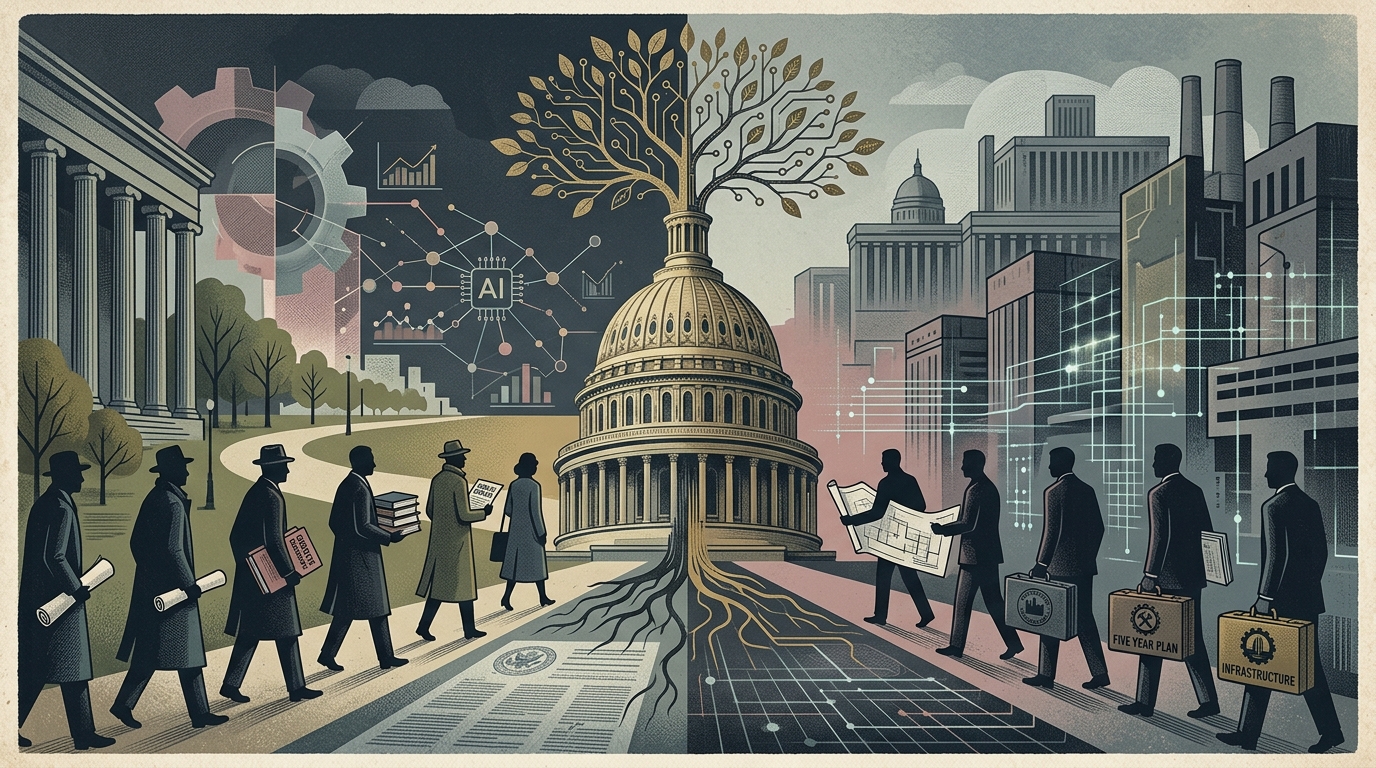
California, the world’s fifth-largest economy and the undisputed cradle of technological innovation, now finds itself at the forefront of a new, existential struggle. As generative artificial intelligence fundamentally reshapes the nature of work, Governor Gavin Newsom has moved forward with a series of executive orders aimed at protecting the state's workforce. This move comes at a critical juncture, as mass layoffs in the tech sector are no longer being attributed solely to macroeconomic corrections, but increasingly to the replacement of human roles by algorithmic systems.
The Strategy of 'Responsible Adoption'
Newsom’s recent order is not merely a reaction to fear, but an attempt to map out a new social contract. According to reports, the state will launch an extensive study on the impact of AI on the labor market, focusing particularly on vulnerable sectors. The central question is not whether AI will replace jobs—that is already taken as a given—but how the state can facilitate the transition of workers into new roles through upskilling.
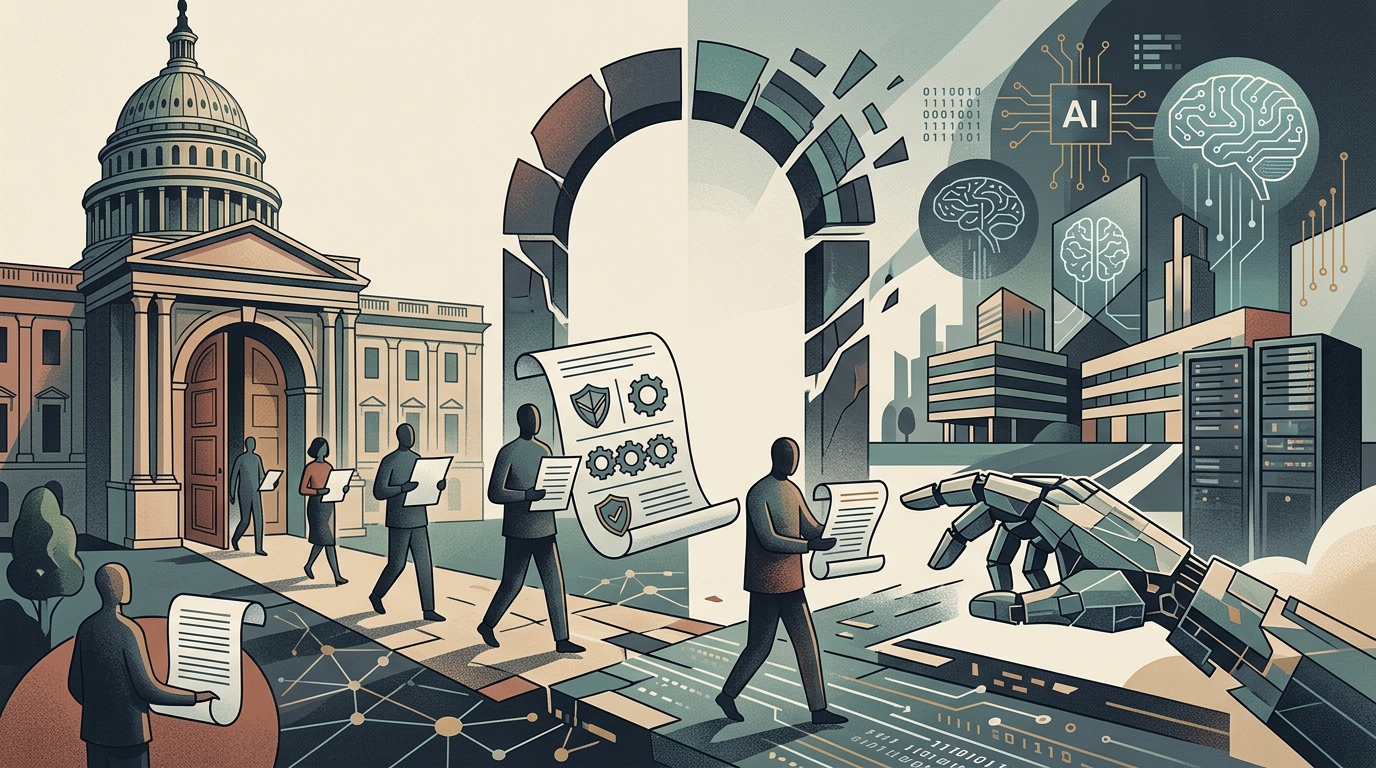
The new guidelines require state agencies to evaluate the impact of any new AI technology before implementation, ensuring that automation does not lead to arbitrary dismissals without a safety net. "We must embrace innovation, but not at the expense of human dignity," Newsom stated, attempting to balance the pressures from tech giants and labor unions.
The Specter of Mass Layoffs in Silicon Valley
The Governor's intervention is no coincidence. Over the past year, the San Francisco Bay Area has witnessed a paradoxical contradiction: while the valuations of AI companies skyrocket, the number of employees in traditional software and support sectors is declining dramatically. AI is no longer a future threat; it is a daily factor in corporate restructuring.
- Over 50,000 tech jobs in California have been eliminated or transformed in the last 18 months.
- Demand for AI-related skills has surged by 300%, leaving behind those without access to specialized training.
- Small and medium-sized enterprises are struggling to keep up with the cost of transition, creating a two-tier digital divide.
The California government intends to use its massive purchasing power to enforce standards. If a company wants to secure contracts with the state, it must demonstrate that its tools do not reinforce bias and provide transparency regarding how they affect employment levels.
Political Implications and the Clash with Big Tech
Newsom’s legislative approach has sparked mixed reactions. On one hand, labor rights advocates argue the measures are "too little, too late," calling for stricter limits and a guaranteed basic income for those displaced by technology. On the other hand, Silicon Valley leaders warn that excessive regulation could lead to a "brain drain" to other states, such as Texas or Florida, which adopt a more laissez-faire approach.
"California risks strangling the goose that lays the golden eggs. AI is a global arms race, and regulations that slow down development will leave us behind China," a representative from a top venture capital firm noted in a memo.
However, Newsom seems to be betting that California is too important for companies to abandon. His gamble is that the state can create a global standard for "Ethical AI," similar to how California’s environmental regulations forced the global automotive industry to adapt.
Conclusion: A Blueprint for the Future?
As 2026 unfolds, the success or failure of these orders will define the future of work globally. If California manages to integrate AI without tearing its social fabric, it will provide a roadmap for governments worldwide. If it fails, it will serve as a cautionary tale of how technological progress can outpace the political capacity to manage its consequences. The battle for the heart of Silicon Valley has only just begun, and the stakes are nothing less than the very concept of work in the 21st century.